
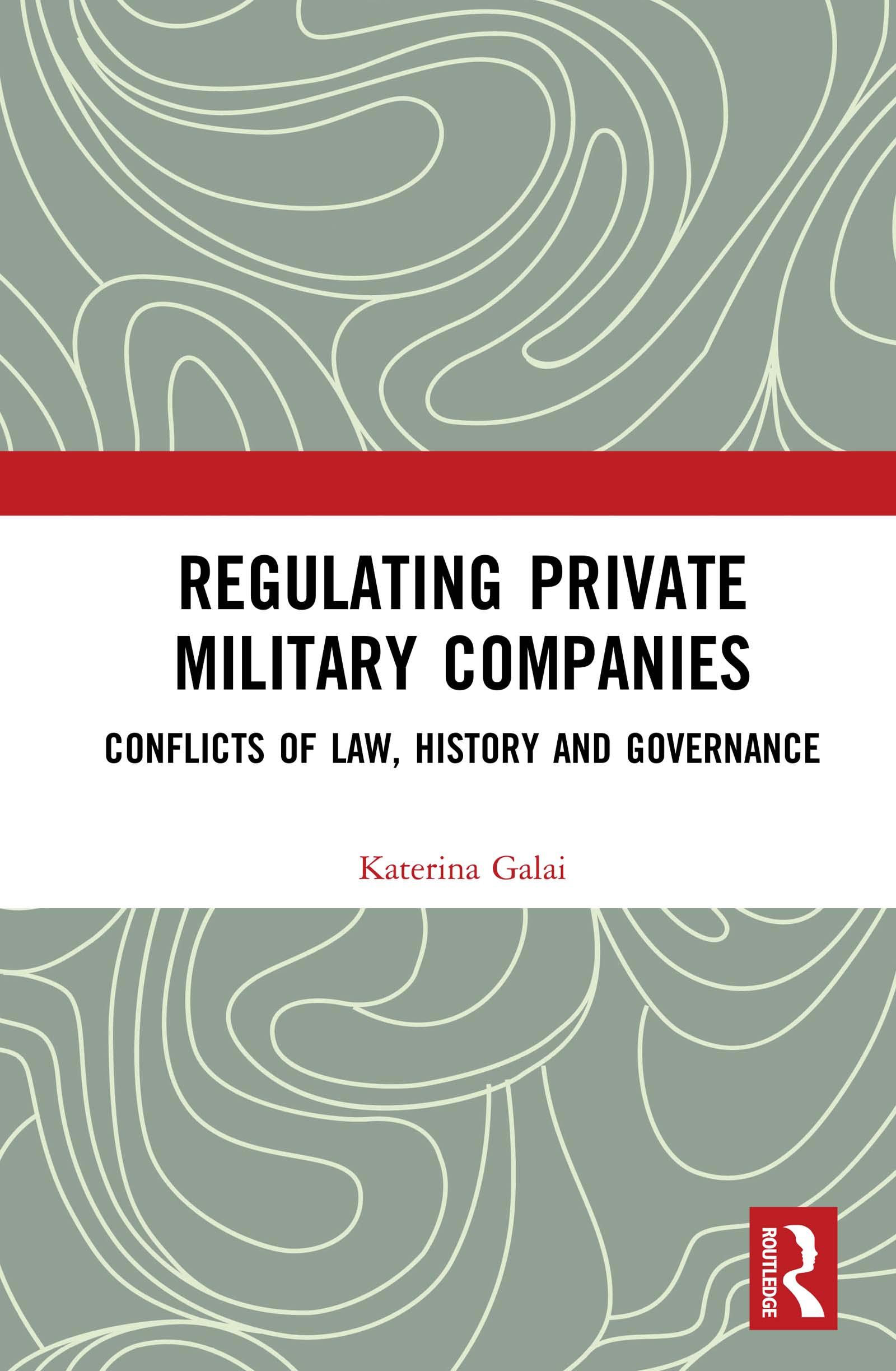
This work examines the ability of existing and evolving PMC regulation to adequately control private force, and it challenges the capacity of international law to deliver accountability in the event of private military company (PMC) misconduct. From medieval to early modern history, private soldiers dominated the military realm and were fundamental to the waging of wars until the rise of a national citizen army. Today, PMCs are again a significant force, performing various security, logistics, and strategy functions across the world. Unlike mercenaries or any other form of irregular force, PMCs acquired a corporate legal personality, a legitimising status that alters the governance model of today. Drawing on historical examples of different forms of governance, the relationship between neoliberal states and private military companies is conceptualised here as a form of a ‘shared governance'. It reflects states’ reliance on PMCs relinquishing a degree of their power and transferring certain functions to the private sector. As non-state actors grow in authority, wielding power, and making claims to legitimacy through self-regulation, other sources of law also become imaginable and relevant to enact regulation and invoke responsibility.
Payez facilement par carte, Klarna, Apple Pay ou Google Pay. Pas satisfait ? Vous avez toujours une garantie de remboursement de 14 jours. En savoir plus dans nos conditions. Si vous avez des questions, envoyez-nous un e-mail à hello@memmo.org.
Memmo facilite tes études, où que tu sois dans le monde. On rassemble tes manuels de cours et des outils d'étude intelligents au même endroit : résumés, quiz, podcasts et flashcards. Et il y a Ted, ton compagnon d'étude qui répond à toutes tes questions. Plus de 50 000 étudiants étudient déjà ici – conçu pour t'aider à apprendre plus vite et à moins stresser.