
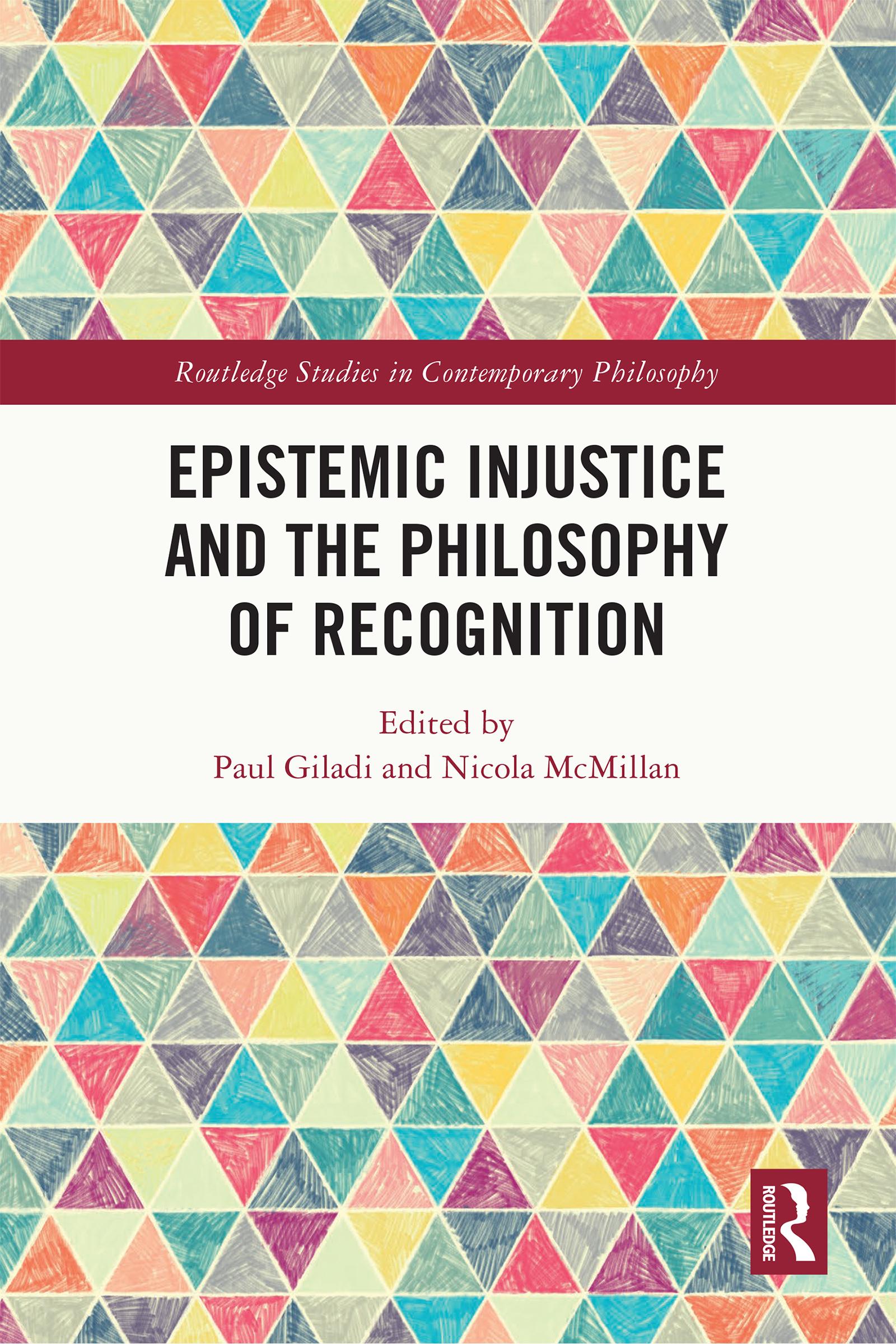
This volume includes original essays that examine the underexplored relationship between recognition theory and key developments in critical social epistemology. Its aims are to explore how far certain kinds of epistemic injustice, epistemic oppression, and types of ignorance can be understood as distorted varieties of recognition and to determine whether contemporary work on epistemic injustice and critical social epistemology more generally have significant continuities with theories of recognition in the Frankfurt School tradition. Part I of the book focuses on bringing recognition theory and critical social epistemology into direct conversation. Part II is devoted to analysing a range of case studies that are evocative of contemporary social struggles.
The essays in this volume propose answers to a number of thought-provoking questions at the intersection of these two robust philosophical subfields, such as the following: how well can different types of epistemic injustice be understood as types of recognition abuses? How useful is it to approach different forms of social oppression as recognition injustices and/or as involving epistemic injustice? What limitations do we discover in either or both recognition theory and the ever-expanding literature on epistemic injustice when we put them into conversation with each other? How does the conjunction of these two accounts bear on specific domains, such as questions of silencing?
Epistemic Injustice and the Philosophy of Recognition heralds new directions for future research that will appeal to scholars and students working in critical social epistemology, social and political theory, continental philosophy, and a wide range of critical social theories.
Payez facilement par carte, Klarna, Apple Pay ou Google Pay. Pas satisfait ? Vous avez toujours une garantie de remboursement de 14 jours. En savoir plus dans nos conditions. Si vous avez des questions, envoyez-nous un e-mail à hello@memmo.org.
Memmo facilite tes études, où que tu sois dans le monde. On rassemble tes manuels de cours et des outils d'étude intelligents au même endroit : résumés, quiz, podcasts et flashcards. Et il y a Ted, ton compagnon d'étude qui répond à toutes tes questions. Plus de 50 000 étudiants étudient déjà ici – conçu pour t'aider à apprendre plus vite et à moins stresser.