
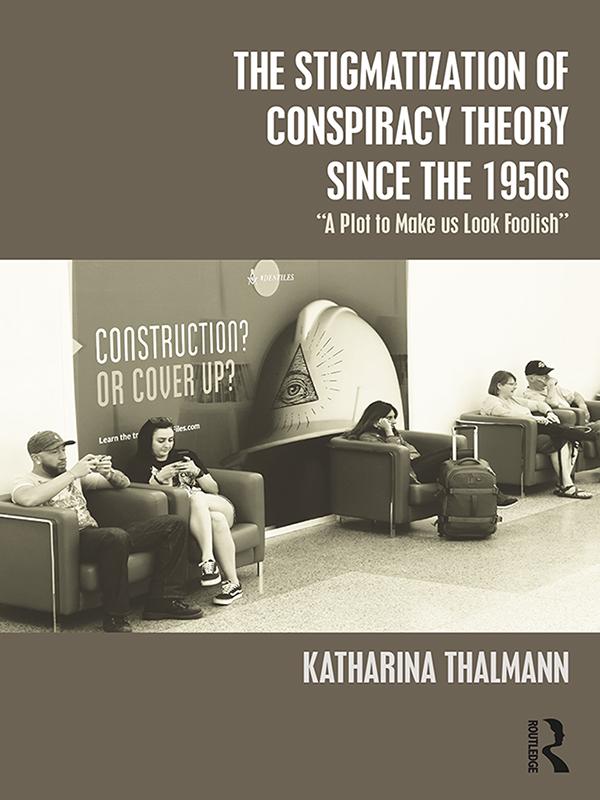
Are conspiracy theories everywhere and is everyone a conspiracy theorist? This ground-breaking study challenges some of the widely shared assessments in the scholarship about a perceived mainstreaming of conspiracy theory. It claims that conspiracy theory underwent a significant shift in status in the mid-20th century and has since then become highly visible as an object of concern in public debates.
Providing an in-depth analysis of academic and media discourses, Katharina Thalmann is the first scholar to systematically trace the history and process of the delegitimization of conspiracy theory. By reading a wide range of conspiracist accounts about three central events in American history from the 1950s to 1970s – the Great Red Scare, the Kennedy assassination, and the Watergate scandal – Thalmann shows that a veritable conspiracist subculture emerged in the 1970s as conspiracy theories were pushed out of the legitimate marketplace of ideas and conspiracy theory became a commodity not unlike pornography: alluring in its illegitimacy, commonsensical, and highly profitable.
This will be of interest to scholars and researchers interested in American history, culture and subcultures, as well, of course, to those fascinated by conspiracies.
Payez facilement par carte, Klarna, Apple Pay ou Google Pay. Pas satisfait ? Vous avez toujours une garantie de remboursement de 14 jours. En savoir plus dans nos conditions. Si vous avez des questions, envoyez-nous un e-mail à hello@memmo.org.
Memmo facilite tes études, où que tu sois dans le monde. On rassemble tes manuels de cours et des outils d'étude intelligents au même endroit : résumés, quiz, podcasts et flashcards. Et il y a Ted, ton compagnon d'étude qui répond à toutes tes questions. Plus de 50 000 étudiants étudient déjà ici – conçu pour t'aider à apprendre plus vite et à moins stresser.