
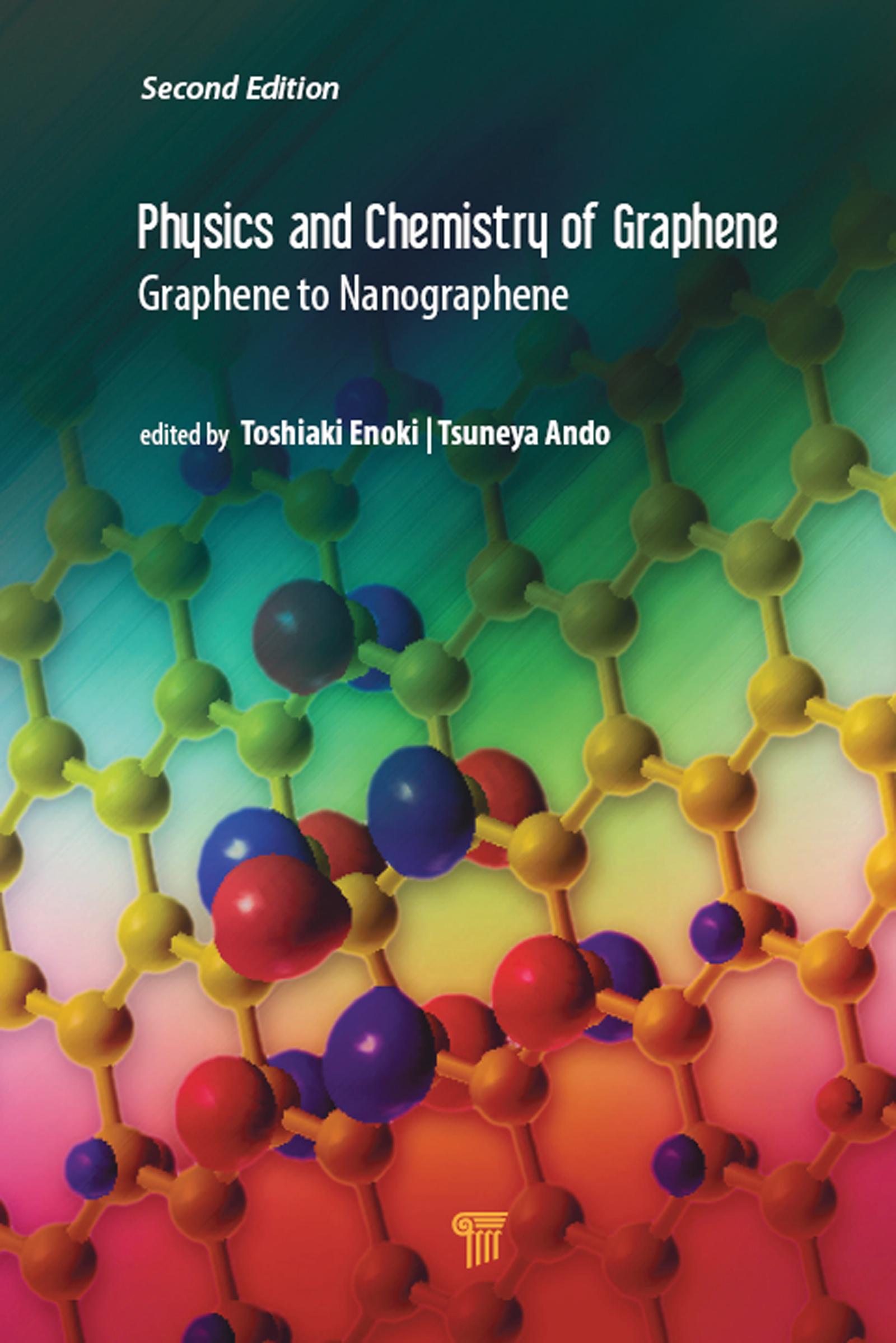
Graphene has been attracting growing attentions in physics, chemistry, and device applications after the discovery of micromechanically cleaved graphene sheet by A. Geim and K. Novoselov, who were awarded the 2010 Nobel Prize in Physics. The electronic structure of graphene, which is described in terms of massless Dirac fermions, brings about unconventional electronic properties, which are not only an important basic issue in condensed matter physics but also a promising target of cutting-edge electronics/spintronics device applications. Meanwhile, from chemistry aspect, graphene is the extreme of condensed polycyclic hydrocarbon molecules extrapolated to infinite size. Here, the concept on aromaticity, which organic chemists utilize, is applicable. Interesting issues appearing between physics and chemistry are pronounced in nanosized graphene (nanographene), as we recognize the importance of the shape of nanographene in understanding its electronic structure. This book comprehensively discusses the fundamental issues related to the electronic, magnetic, and chemical properties of condensed polycyclic hyodrocarbon molecules, nanographene, and graphene.
Payez facilement par carte, Klarna, Apple Pay ou Google Pay. Pas satisfait ? Vous avez toujours une garantie de remboursement de 14 jours. En savoir plus dans nos conditions. Si vous avez des questions, envoyez-nous un e-mail à hello@memmo.org.
Memmo facilite tes études, où que tu sois dans le monde. On rassemble tes manuels de cours et des outils d'étude intelligents au même endroit : résumés, quiz, podcasts et flashcards. Et il y a Ted, ton compagnon d'étude qui répond à toutes tes questions. Plus de 50 000 étudiants étudient déjà ici – conçu pour t'aider à apprendre plus vite et à moins stresser.