
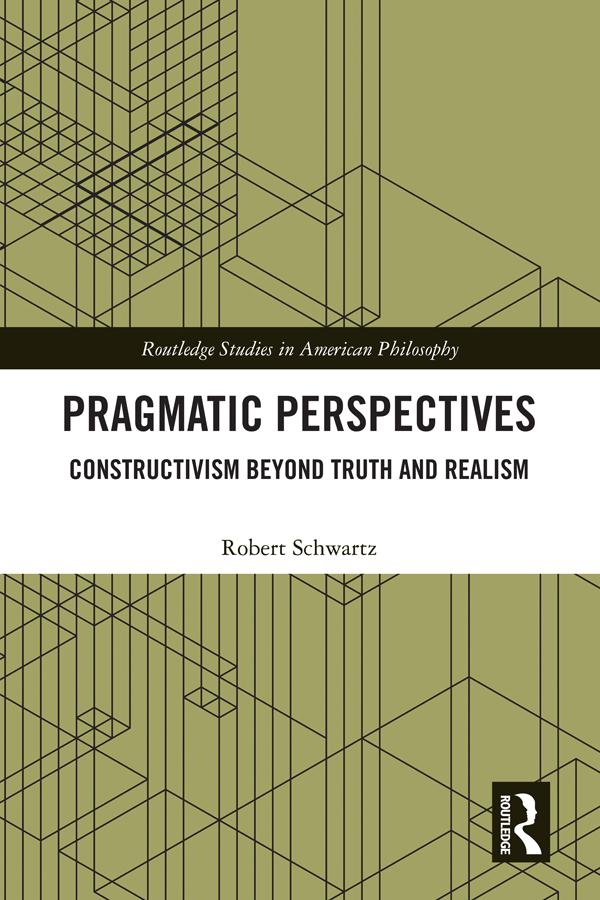
For a good part of the 20th century, the classic Pragmatists—Charles Sanders Peirce, William James, and John Dewey—and pragmatism in general were largely ignored by analytic philosophers. They were said to hold such untenable views as whatever best satisfies our needs is true and that the end justifies the means. Despite a recent revival of interest in these figures, spurred largely by the work of Richard Rorty, it is not uncommon to continue to hear claims that pragmatism is a subjectivist, anti-realist position that denies that there is a mind-independent world, and fails to place objective constraints on inquiry.
In this book, Robert Schwartz dispels these traditional views by examining the empiricist and constructivist orientation of the classic pragmatists. Based on updated and expanded versions of his influential papers, as well as a number of previously unpublished essays, in this book Schwartz demonstrates the relevance of pragmatic thought to a wide range of issues beyond concerns over truth and realism that currently dominate discussions. The individual essays elaborate and defend pragmatic, instrumentalist, and constructivist conceptions of truth and inquiry, moral discourse and ethical statements, perception, art, and worldmaking. Pragmatic Perspectives will appeal to scholars interested in the history of American philosophy and pragmatic approaches to contemporary issues in analytic philosophy.
Payez facilement par carte, Klarna, Apple Pay ou Google Pay. Pas satisfait ? Vous avez toujours une garantie de remboursement de 14 jours. En savoir plus dans nos conditions. Si vous avez des questions, envoyez-nous un e-mail à hello@memmo.org.
Memmo facilite tes études, où que tu sois dans le monde. On rassemble tes manuels de cours et des outils d'étude intelligents au même endroit : résumés, quiz, podcasts et flashcards. Et il y a Ted, ton compagnon d'étude qui répond à toutes tes questions. Plus de 50 000 étudiants étudient déjà ici – conçu pour t'aider à apprendre plus vite et à moins stresser.