
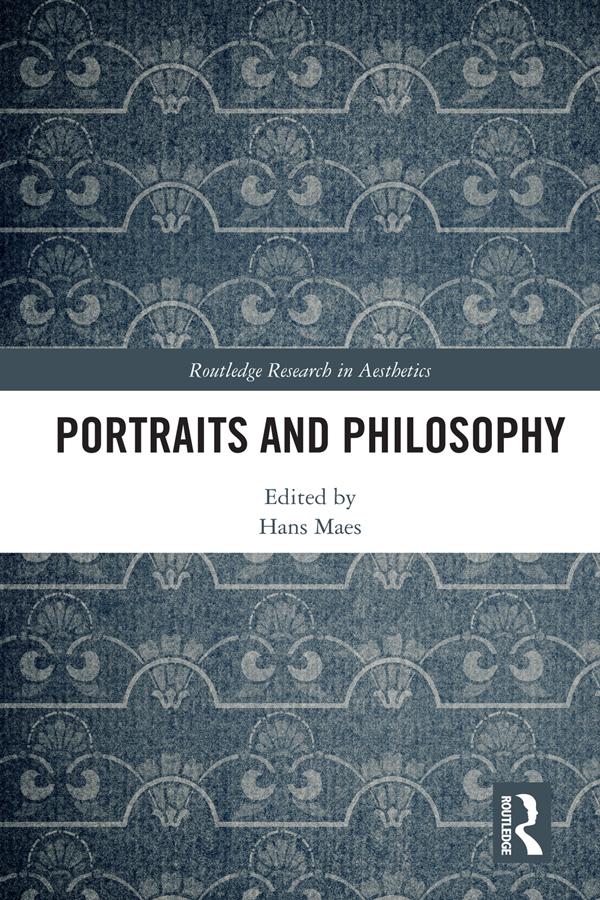
Portraits are everywhere. One finds them not only in museums and galleries, but also in newspapers and magazines, in the homes of people and in the boardrooms of companies, on stamps and coins, on millions of cell phones and computers. Despite its huge popularity, however, portraiture hasn’t received much philosophical attention. While there are countless art historical studies of portraiture, contemporary philosophy has largely remained silent on the subject. This book aims to address that lacuna. It brings together philosophers (and philosophically minded historians) with different areas of expertise to discuss this enduring and continuously fascinating genre.
The chapters in this collection are ranged under five broad themes. Part I examines the general nature of portraiture and what makes it distinctive as a genre. Part II looks at some of the subgenres of portraiture, such as double portraiture, and at some special cases, such as sport card portraits and portraits of people not present. How emotions are expressed and evoked by portraits is the central focus of Part III, while Part IV explores the relation between portraiture, fiction, and depiction more generally. Finally, in Part V, some of the ethical issues surrounding portraiture are addressed. The book closes with an epilogue about portraits of philosophers.
Portraits and Philosophy tangles with deep questions about the nature and effects of portraiture in ways that will substantially advance the scholarly discussion of the genre. It will be of interest to scholars and students working in philosophy of art, history of art, and the visual arts.
Payez facilement par carte, Klarna, Apple Pay ou Google Pay. Pas satisfait ? Vous avez toujours une garantie de remboursement de 14 jours. En savoir plus dans nos conditions. Si vous avez des questions, envoyez-nous un e-mail à hello@memmo.org.
Memmo facilite tes études, où que tu sois dans le monde. On rassemble tes manuels de cours et des outils d'étude intelligents au même endroit : résumés, quiz, podcasts et flashcards. Et il y a Ted, ton compagnon d'étude qui répond à toutes tes questions. Plus de 50 000 étudiants étudient déjà ici – conçu pour t'aider à apprendre plus vite et à moins stresser.