
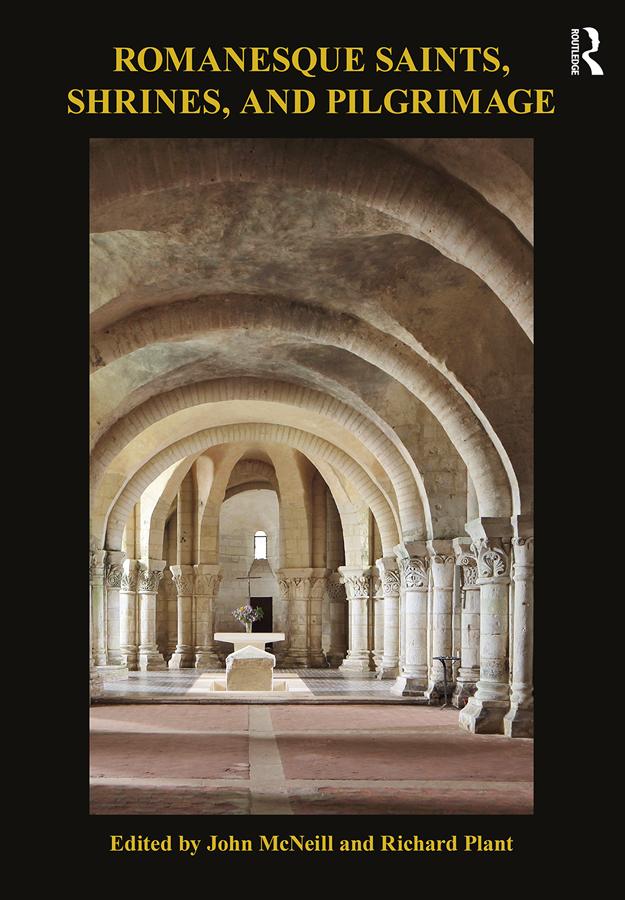
The 23 chapters in this volume explore the material culture of sanctity in Latin Europe and the Mediterranean between c. 1000 and c. 1220, with a focus on the ways in which saints and relics were enshrined, celebrated, and displayed.
Reliquary cults were particularly important during the Romanesque period, both as a means of affirming or promoting identity and as a conduit for the divine. This book covers the geography of sainthood, the development of spaces for reliquary display, the distribution of saints across cities, the use of reliquaries to draw attention to the attributes, and the virtues or miracle-working character of particular saints. Individual essays range from case studies on Verona, Hildesheim, Trondheim and Limoges, the mausoleum of Lazarus at Autun, and the patronage of Mathilda of Canossa, to reflections on local pilgrimage, the deployment of saints as physical protectors, the use of imagery where possession of a saint was disputed, island sanctuaries, and the role of Templars and Hospitallers in the promotion of relics from the Holy Land.
This book will serve historians and archaeologists studying the Romanesque period, and those interested in material culture and religious practice in Latin Europe and the Mediterranean c.1000–c.1220.
Payez facilement par carte, Klarna, Apple Pay ou Google Pay. Pas satisfait ? Vous avez toujours une garantie de remboursement de 14 jours. En savoir plus dans nos conditions. Si vous avez des questions, envoyez-nous un e-mail à hello@memmo.org.
Memmo facilite tes études, où que tu sois dans le monde. On rassemble tes manuels de cours et des outils d'étude intelligents au même endroit : résumés, quiz, podcasts et flashcards. Et il y a Ted, ton compagnon d'étude qui répond à toutes tes questions. Plus de 50 000 étudiants étudient déjà ici – conçu pour t'aider à apprendre plus vite et à moins stresser.