
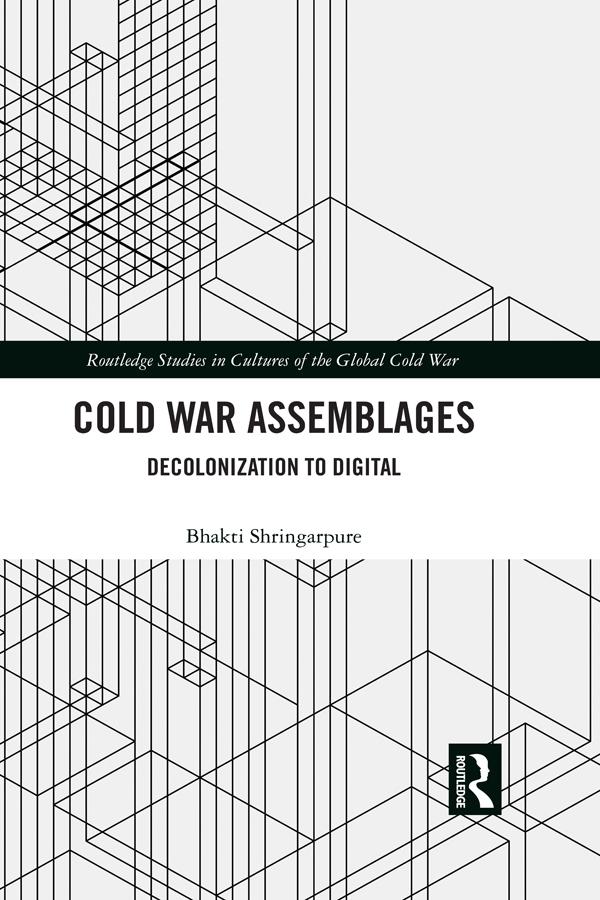
This book bridges the gap between the simultaneously unfolding histories of postcoloniality and the forty-five-year ideological and geopolitical rivalry between the U.S. and the U.S.S.R. Not only did the superpowers rely upon the decolonizing world to further imperial agendas, but the postcolony itself was shaped, epistemologically and materially, by Cold War discourses, policies, narratives, and paradigms. Ruptures and appropriated trajectories in the postcolonial world can be attributed to the ways in which the Cold War became the afterlife of European colonialism. Through a speculative assemblage, this book connects the dots, deftly taking the reader from Frantz Fanon to Aaron Swartz, and from assassinations in the Third World to American multiculturalism. Whether the Cold War subverted the dream of decolonization or created a compromised cultural sphere, this book makes those rich palimpsests visible.
Payez facilement par carte, Klarna, Apple Pay ou Google Pay. Pas satisfait ? Vous avez toujours une garantie de remboursement de 14 jours. En savoir plus dans nos conditions. Si vous avez des questions, envoyez-nous un e-mail à hello@memmo.org.
Memmo facilite tes études, où que tu sois dans le monde. On rassemble tes manuels de cours et des outils d'étude intelligents au même endroit : résumés, quiz, podcasts et flashcards. Et il y a Ted, ton compagnon d'étude qui répond à toutes tes questions. Plus de 50 000 étudiants étudient déjà ici – conçu pour t'aider à apprendre plus vite et à moins stresser.