
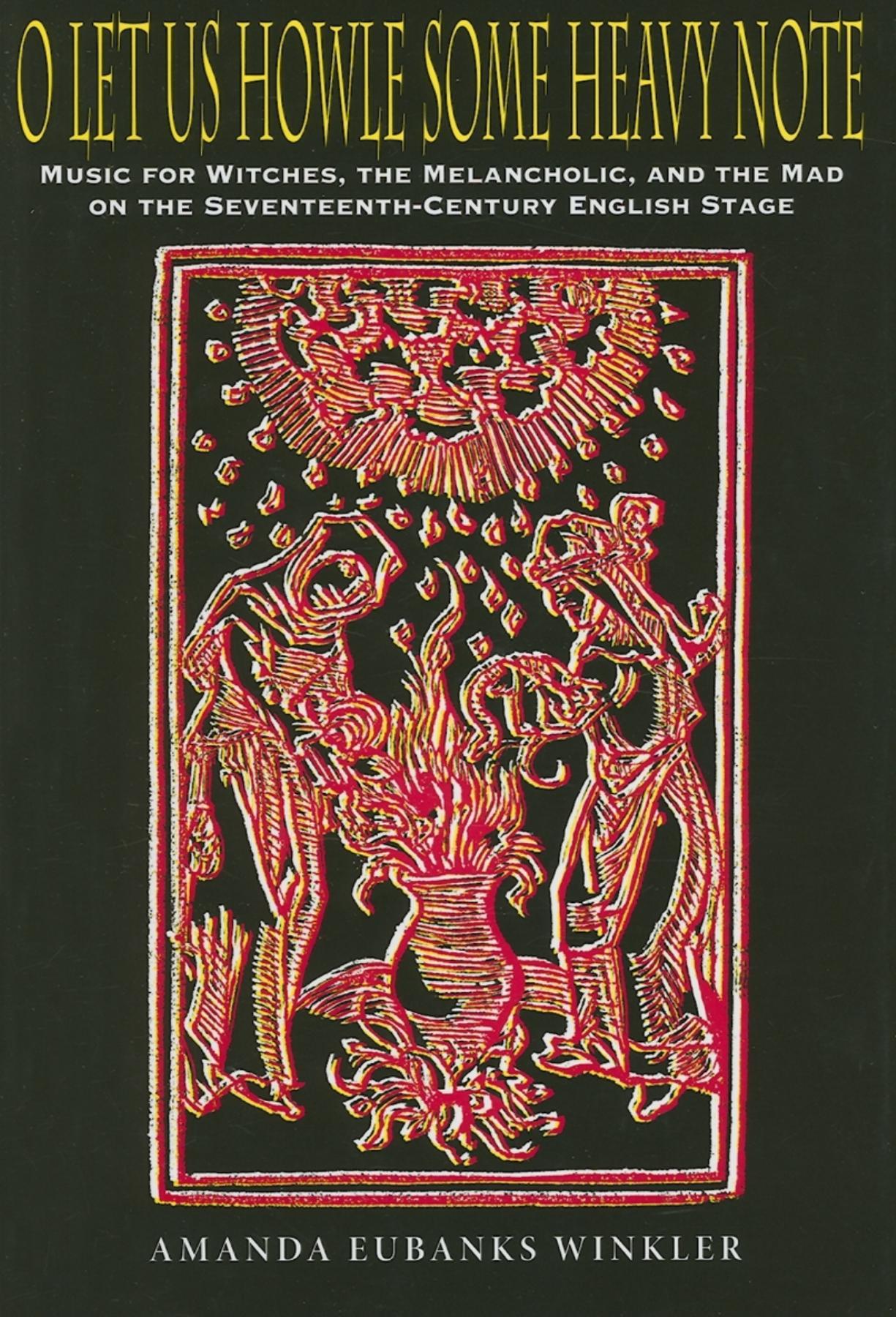
In the 17th century, harmonious sounds were thought to represent the well-ordered body of the obedient subject, and, by extension, the well-ordered state; conversely, discordant, unpleasant music represented both those who caused disorder (murderers, drunkards, witches, traitors) and those who suffered from bodily disorders (melancholics, madmen, and madwomen). While these theoretical correspondences seem straightforward, in theatrical practice the musical portrayals of disorderly characters were multivalent and often ambiguous.
O Let Us Howle Some Heavy Note focuses on the various ways that theatrical music represented disorderly subjects—those who presented either a direct or metaphorical threat to the health of the English kingdom in 17th-century England. Using theater music to examine narratives of social history, Winkler demonstrates how music reinscribed and often resisted conservative, political, religious, gender, and social ideologies.
Payez facilement par carte, Klarna, Apple Pay ou Google Pay. Pas satisfait ? Vous avez toujours une garantie de remboursement de 14 jours. En savoir plus dans nos conditions. Si vous avez des questions, envoyez-nous un e-mail à hello@memmo.org.
Memmo facilite tes études, où que tu sois dans le monde. On rassemble tes manuels de cours et des outils d'étude intelligents au même endroit : résumés, quiz, podcasts et flashcards. Et il y a Ted, ton compagnon d'étude qui répond à toutes tes questions. Plus de 50 000 étudiants étudient déjà ici – conçu pour t'aider à apprendre plus vite et à moins stresser.