
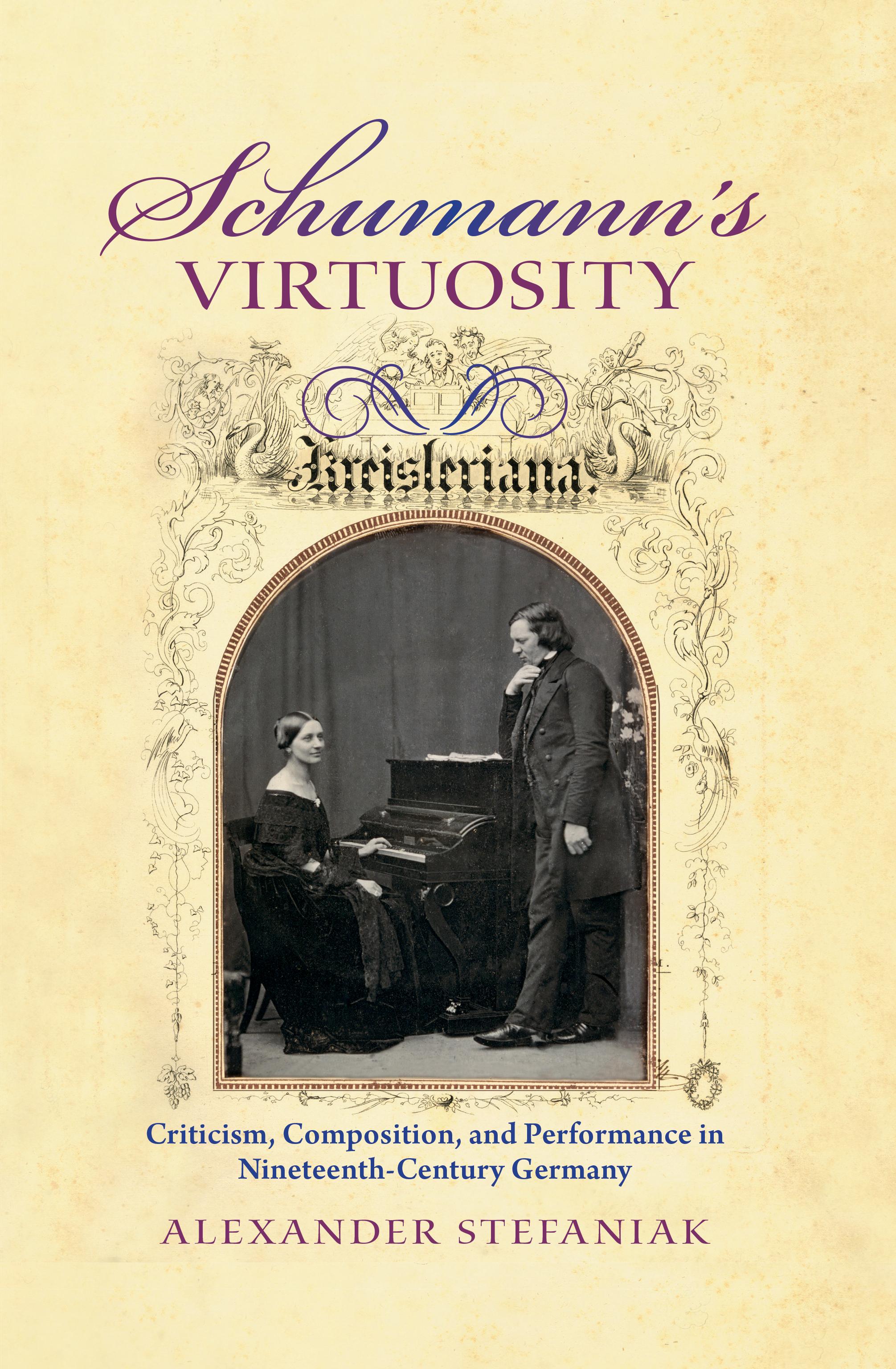
Considered one of the greatest composers—and music critics—of the Romantic era, Robert Schumann (1810–1856) played an important role in shaping nineteenth-century German ideas about virtuosity. Forging his career in the decades that saw abundant public fascination with the feats and creations of virtuosos (Liszt, Paganini, and Chopin among others), Schumann engaged with instrumental virtuosity through not only his compositions and performances but also his music reviews and writings about his contemporaries. Ultimately, the discourse of virtuosity influenced the culture of Western "art music" well beyond the nineteenth century and into the present day. By examining previously unexplored archival sources, Alexander Stefaniak looks at the diverse approaches to virtuosity Schumann developed over the course of his career, revealing several distinct currents in nineteenth-century German virtuosity and the enduring flexibility of virtuosity discourse.
Payez facilement par carte, Klarna, Apple Pay ou Google Pay. Pas satisfait ? Vous avez toujours une garantie de remboursement de 14 jours. En savoir plus dans nos conditions. Si vous avez des questions, envoyez-nous un e-mail à hello@memmo.org.
Memmo facilite tes études, où que tu sois dans le monde. On rassemble tes manuels de cours et des outils d'étude intelligents au même endroit : résumés, quiz, podcasts et flashcards. Et il y a Ted, ton compagnon d'étude qui répond à toutes tes questions. Plus de 50 000 étudiants étudient déjà ici – conçu pour t'aider à apprendre plus vite et à moins stresser.