
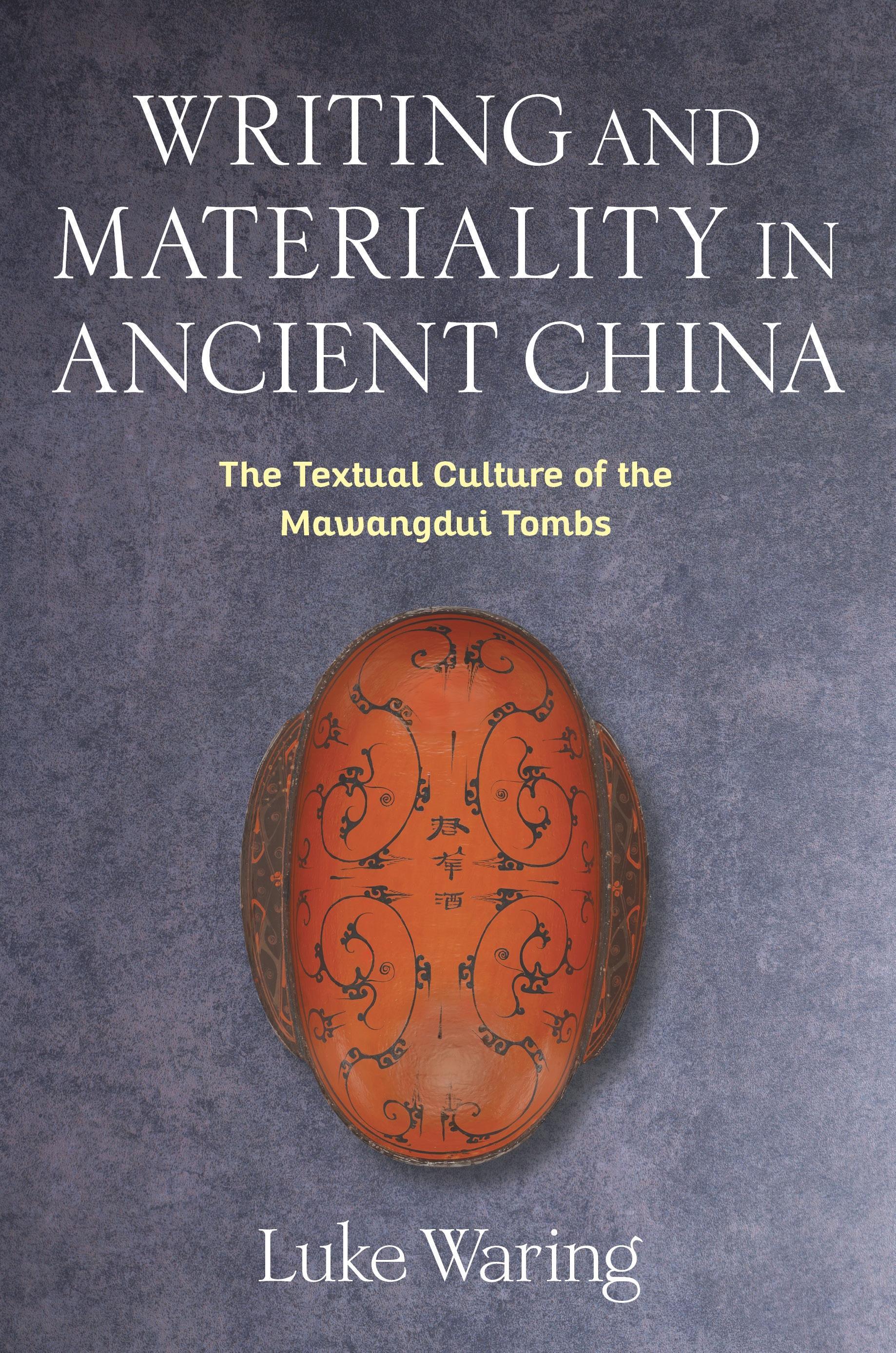
Excavations at the famous Mawangdui tomb site in south-central China (early to mid-second century BCE) have unearthed many kinds of writing, including documents made of silk, wood, and bamboo as well as a wide range of inscribed artifacts. This book is an interdisciplinary study of these varied forms of writing, exploring the different roles that texts played in the lives and afterlives of Chinese elites during the Han dynasty.
Examining documents and artifacts from the Mawangdui tombs in comparative perspective, Luke Waring demonstrates that early Chinese writing should be understood as part of the material and visual cultures of its time. Written texts were used to do more than simply preserve and transmit important information: they were also work tasks, storage items, performance aids, apotropaic talismans, aesthetically pleasing patterns, display pieces, possessions, and burial objects. Writing was even integrated into older, perhaps more powerful modes of cultural expression such as ritual performance and material display. Waring argues that manuscripts and inscribed objects were always things, artifacts that had powerful effects on the world that created them. Comprehensively researched and lavishly illustrated, Writing and Materiality in Ancient China offers a new understanding of the textual cultures of the early Western Han.
Payez facilement par carte, Klarna, Apple Pay ou Google Pay. Pas satisfait ? Vous avez toujours une garantie de remboursement de 14 jours. En savoir plus dans nos conditions. Si vous avez des questions, envoyez-nous un e-mail à hello@memmo.org.
Memmo facilite tes études, où que tu sois dans le monde. On rassemble tes manuels de cours et des outils d'étude intelligents au même endroit : résumés, quiz, podcasts et flashcards. Et il y a Ted, ton compagnon d'étude qui répond à toutes tes questions. Plus de 50 000 étudiants étudient déjà ici – conçu pour t'aider à apprendre plus vite et à moins stresser.