
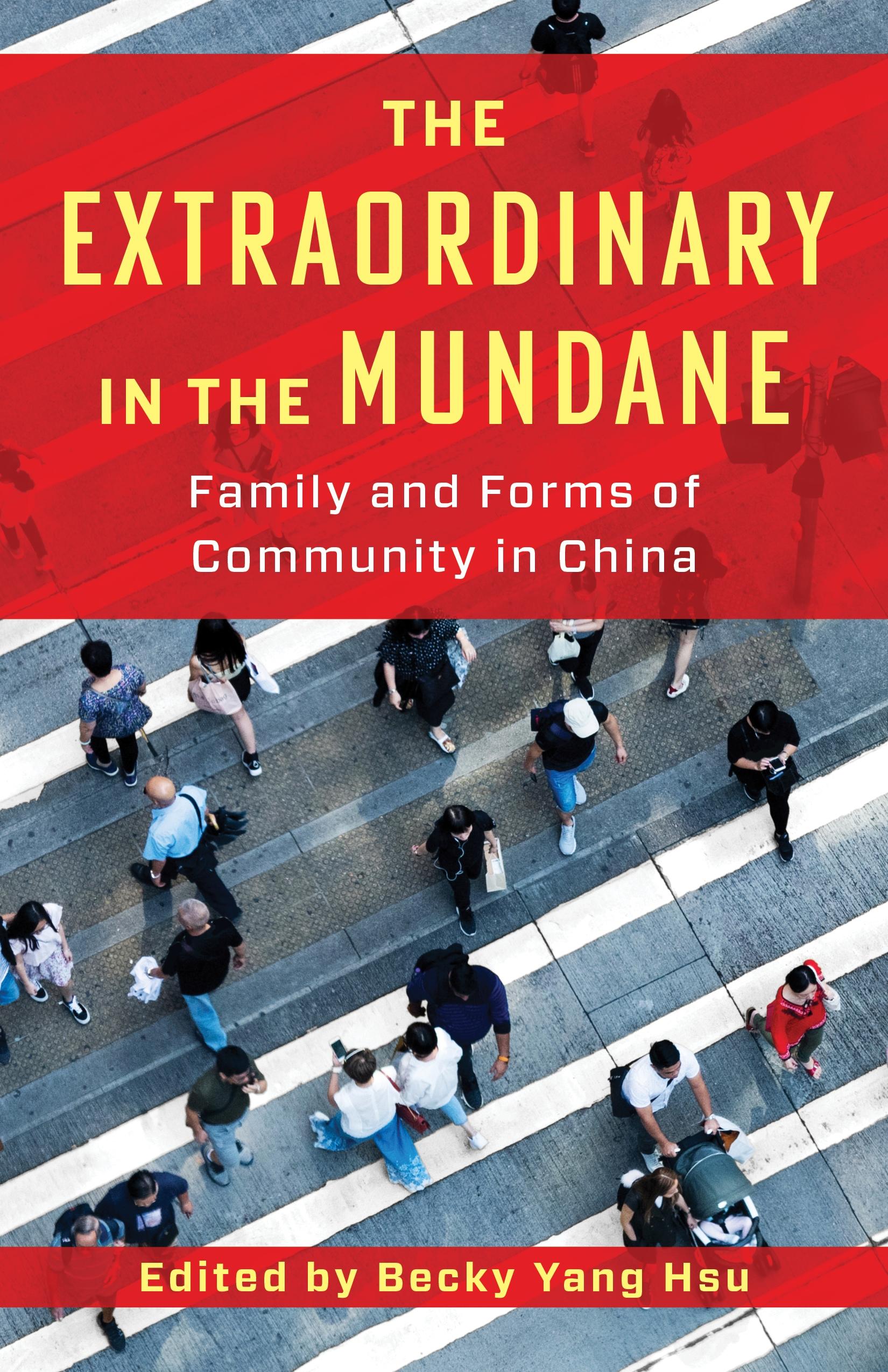
How do individuals address serious challenges in a context where organized gatherings are subject to strict government control? This book brings together a diverse group of scholars to explore the many ways people in China self-organize and create varied forms of coordination to solve important problems.
Through compelling, detail-rich case studies, The Extraordinary in the Mundane shows that family structures and networks deeply shape these modes of association. Because the public-private dichotomy does not resonate with many people in China, they rely on informal social ties, not formal organizations or state agencies, to confront personal challenges. Chapters present vivid ethnographic portraits that consider both positive and negative aspects of community formation. A woman with an autistic child creates an organization to advocate for inclusion of neurodivergent children in public schools. A trainee in a psychological counseling course finds mutual support among other participants. A boy is taken by his father to an internet addiction treatment camp that aims to restructure family interactions. A woman in her seventies shows off the burial clothes she prepared for herself, to the admiration of a group of friends. Offering a glimpse into the unofficial realities that often remain off the record, this book provides a wide-ranging and timely examination of the varieties of civic action in contemporary China.
Payez facilement par carte, Klarna, Apple Pay ou Google Pay. Pas satisfait ? Vous avez toujours une garantie de remboursement de 14 jours. En savoir plus dans nos conditions. Si vous avez des questions, envoyez-nous un e-mail à hello@memmo.org.
Memmo facilite tes études, où que tu sois dans le monde. On rassemble tes manuels de cours et des outils d'étude intelligents au même endroit : résumés, quiz, podcasts et flashcards. Et il y a Ted, ton compagnon d'étude qui répond à toutes tes questions. Plus de 50 000 étudiants étudient déjà ici – conçu pour t'aider à apprendre plus vite et à moins stresser.