
Winner, 2025 Choice Outstanding Academic Title
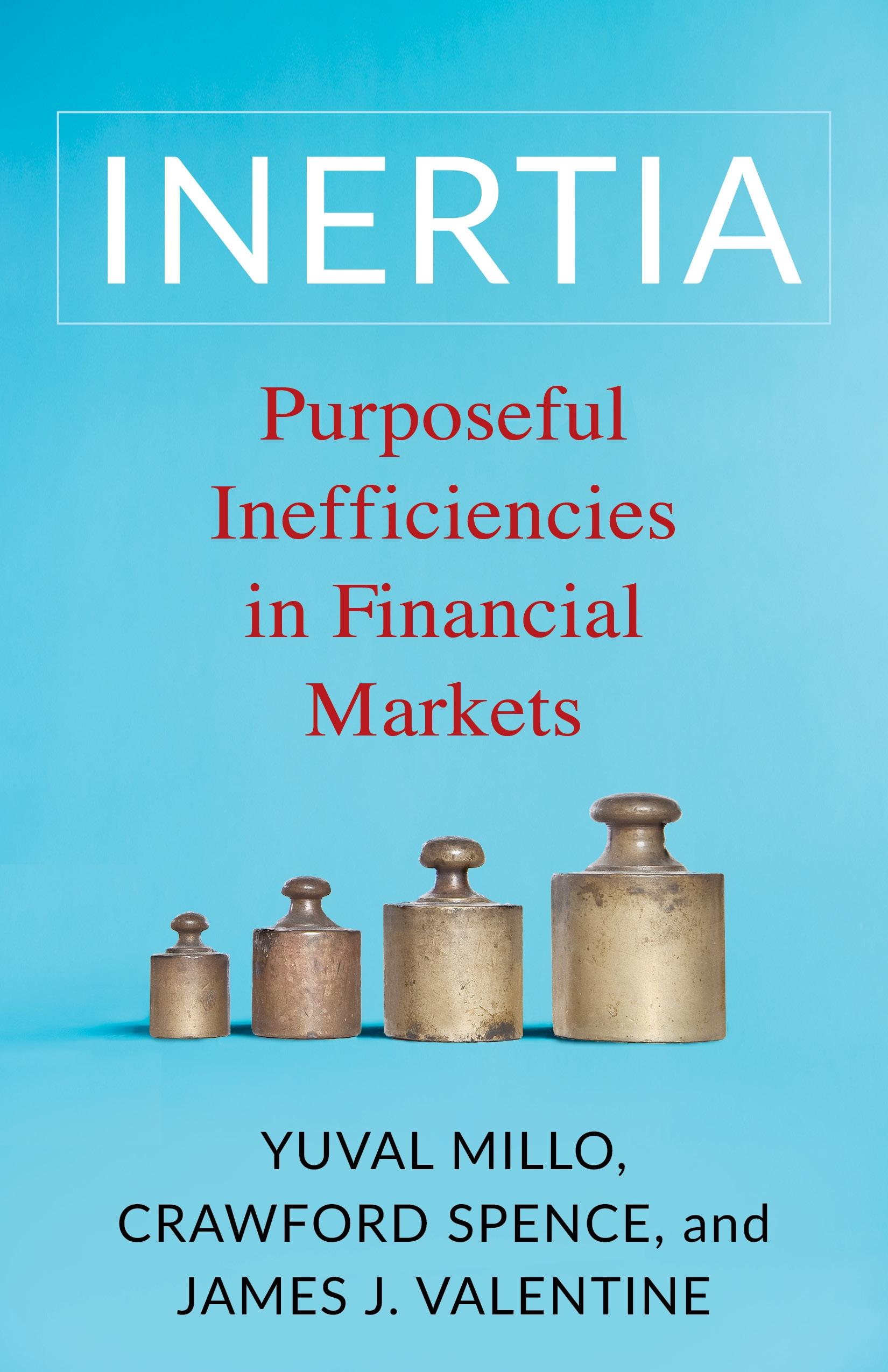
Financial professionals are paid as if they were capable of “beating the market” on a regular basis. In fact, active fund managers routinely underperform low-cost index funds, and financial analysts frequently produce inaccurate stock recommendations—and many receive large fees even when their clients are losing money. Why do financial intermediaries still persist in the investing world despite this track record? Economic theory, obsessed with notions of market efficiency, has no good answer.
This book demonstrates how long-standing social relationships within the investing world contribute to a state of inertia, which prevents substantive change to the status quo. In financial markets—as in many other settings—social groups persist through habit, routine, and path dependency. Financial intermediaries, for their part, use their positions to maintain and reproduce a state of affairs from which they benefit. Although financial professionals portray their world as one of dynamism and continuous innovation, in reality a strategic and purposeful inertia often prevails. An incisive sociological analysis of the communities that constitute financial markets, Inertia offers new insight into the social structures and dynamics that shape economic action.
Payez facilement par carte, Klarna, Apple Pay ou Google Pay. Pas satisfait ? Vous avez toujours une garantie de remboursement de 14 jours. En savoir plus dans nos conditions. Si vous avez des questions, envoyez-nous un e-mail à hello@memmo.org.
Memmo facilite tes études, où que tu sois dans le monde. On rassemble tes manuels de cours et des outils d'étude intelligents au même endroit : résumés, quiz, podcasts et flashcards. Et il y a Ted, ton compagnon d'étude qui répond à toutes tes questions. Plus de 50 000 étudiants étudient déjà ici – conçu pour t'aider à apprendre plus vite et à moins stresser.