
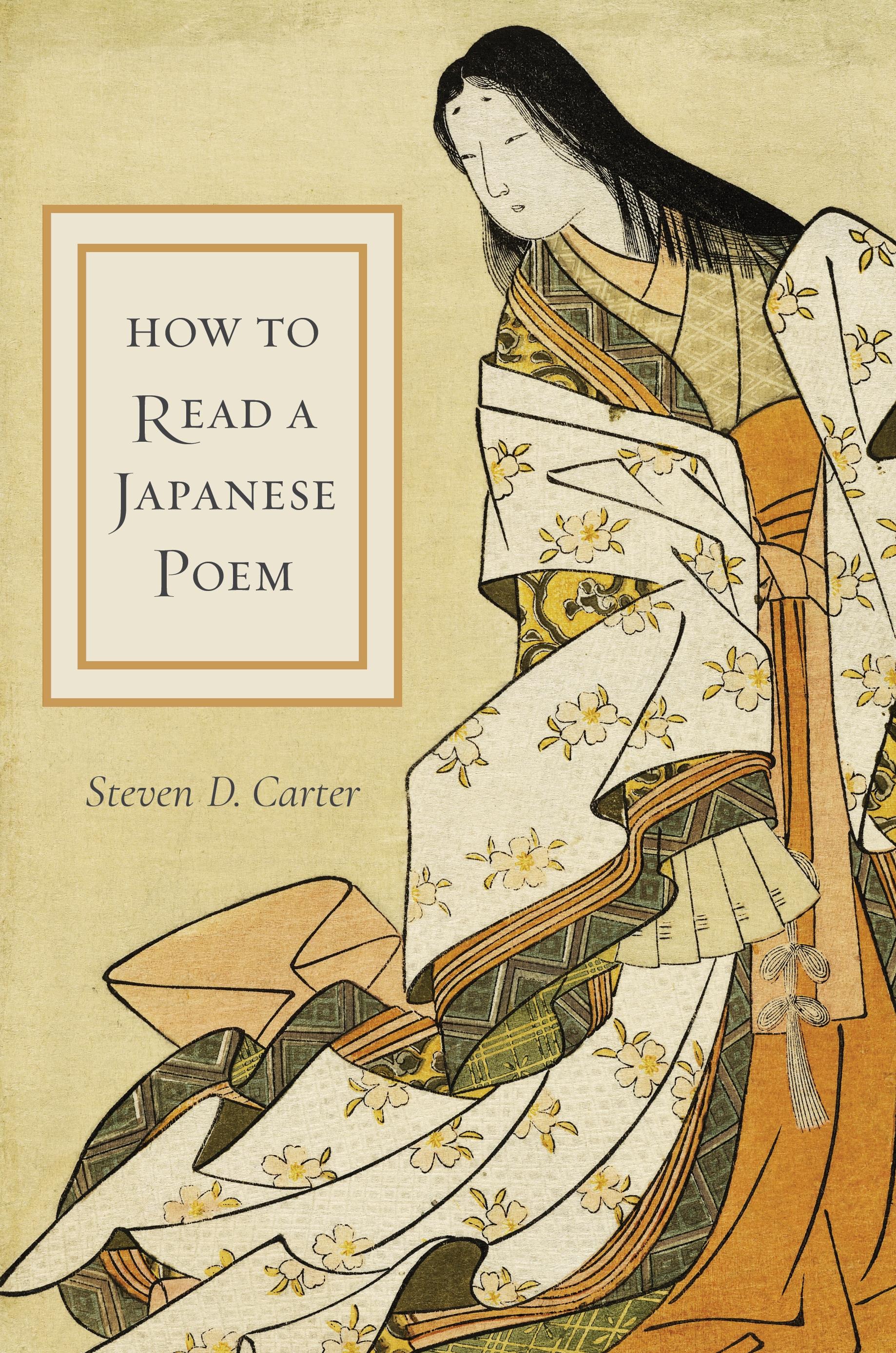
How to Read a Japanese Poem offers a comprehensive approach to making sense of traditional Japanese poetry of all genres and periods. Steven D. Carter explains to Anglophone students the methods of composition and literary interpretation used by Japanese poets, scholars, and critics from ancient times to the present, and adds commentary that will assist the modern reader.
How to Read a Japanese Poem presents readings of poems by major figures such as Saigyō and Bashō as well as lesser known poets, with nearly two hundred examples that encompass all genres of Japanese poetry. The book gives attention to well-known forms such as haikai or haiku, as well as ancient songs, comic poems, and linked verse. Each chapter provides examples of a genre in chronological order, followed by notes about authorship and other contextual details, including the time of composition, physical setting, and social occasion. The commentaries focus on a central feature of Japanese poetic discourse: that poems are often occasional, written in specific situations, and are best read in light of their milieu. Carter elucidates key concepts useful in examining Japanese poetics as well as the technical vocabulary of Japanese poetic discourse, familiarizing students with critical terms and concepts. An appendix offers succinct definitions of technical terms and essays on aesthetic ideals and devices.
Payez facilement par carte, Klarna, Apple Pay ou Google Pay. Pas satisfait ? Vous avez toujours une garantie de remboursement de 14 jours. En savoir plus dans nos conditions. Si vous avez des questions, envoyez-nous un e-mail à hello@memmo.org.
Memmo facilite tes études, où que tu sois dans le monde. On rassemble tes manuels de cours et des outils d'étude intelligents au même endroit : résumés, quiz, podcasts et flashcards. Et il y a Ted, ton compagnon d'étude qui répond à toutes tes questions. Plus de 50 000 étudiants étudient déjà ici – conçu pour t'aider à apprendre plus vite et à moins stresser.