
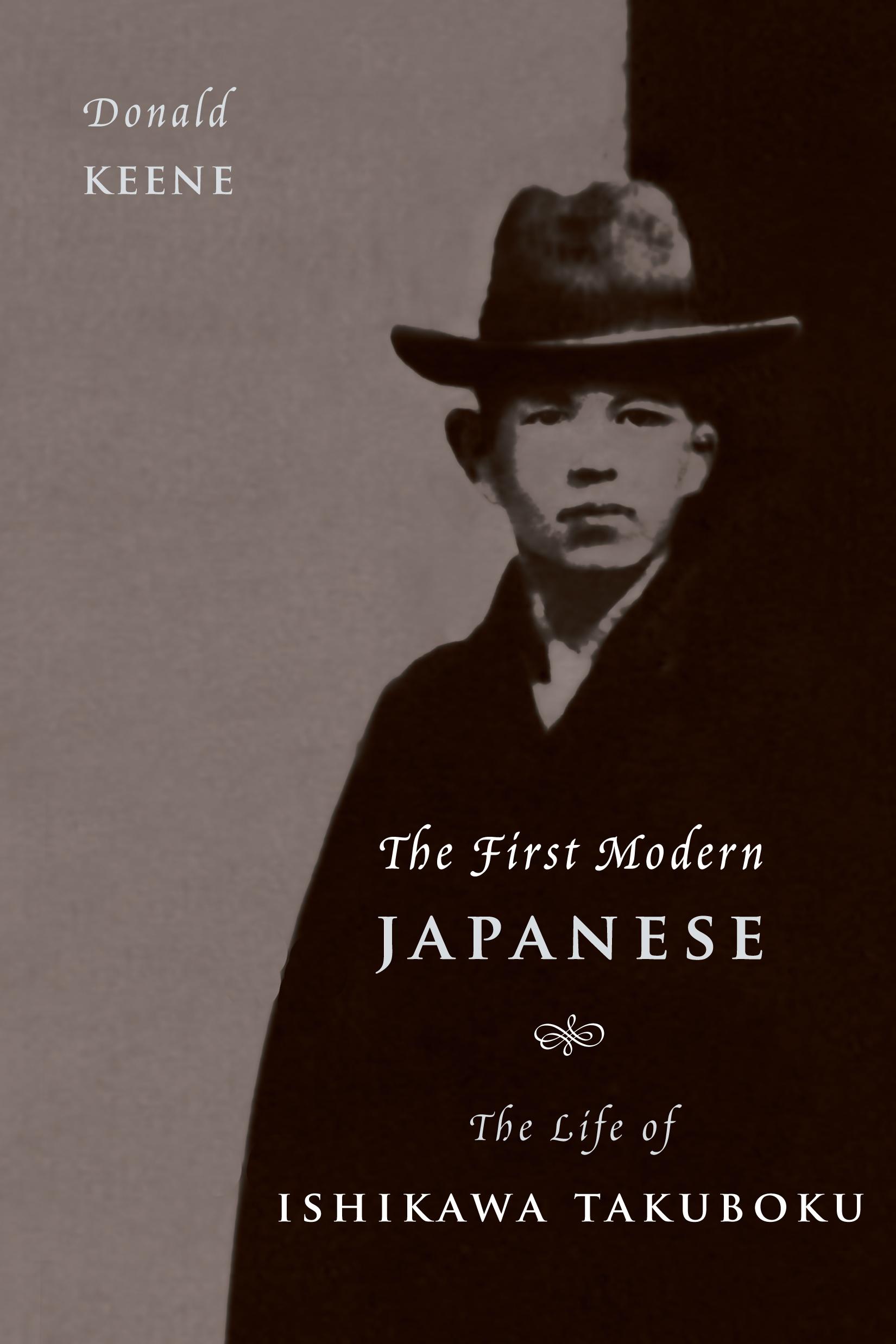
Many books in Japanese have been devoted to the poet and critic Ishikawa Takuboku (1886–1912). Although he died at the age of twenty-six and wrote many of his best-known poems in the space of a few years, his name is familiar to every literate Japanese. Takuboku's early death added to the sad romance of the unhappy poet, but there has been no satisfactory biography of his life or career, even in Japanese, and only a small part of his writings have been translated. His mature poetry was based on the work of no predecessor, and he left no disciples. Takuboku stands unique.
Takuboku's most popular poems, especially those with a humorous overlay, are often read and memorized, but his diaries and letters, though less familiar, contain rich and vivid glimpses of the poet's thoughts and experiences. They reflect the outlook of an unconstrained man who at times behaved in a startling or even shocking manner. Despite his misdemeanors, Takuboku is regarded as a national poet, all but a saint to his admirers, especially in the regions of Japan where he lived. His refusal to conform to the Japan of the time drove him in striking directions and ranked him as the first poet of the new Japan.
Payez facilement par carte, Klarna, Apple Pay ou Google Pay. Pas satisfait ? Vous avez toujours une garantie de remboursement de 14 jours. En savoir plus dans nos conditions. Si vous avez des questions, envoyez-nous un e-mail à hello@memmo.org.
Memmo facilite tes études, où que tu sois dans le monde. On rassemble tes manuels de cours et des outils d'étude intelligents au même endroit : résumés, quiz, podcasts et flashcards. Et il y a Ted, ton compagnon d'étude qui répond à toutes tes questions. Plus de 50 000 étudiants étudient déjà ici – conçu pour t'aider à apprendre plus vite et à moins stresser.