
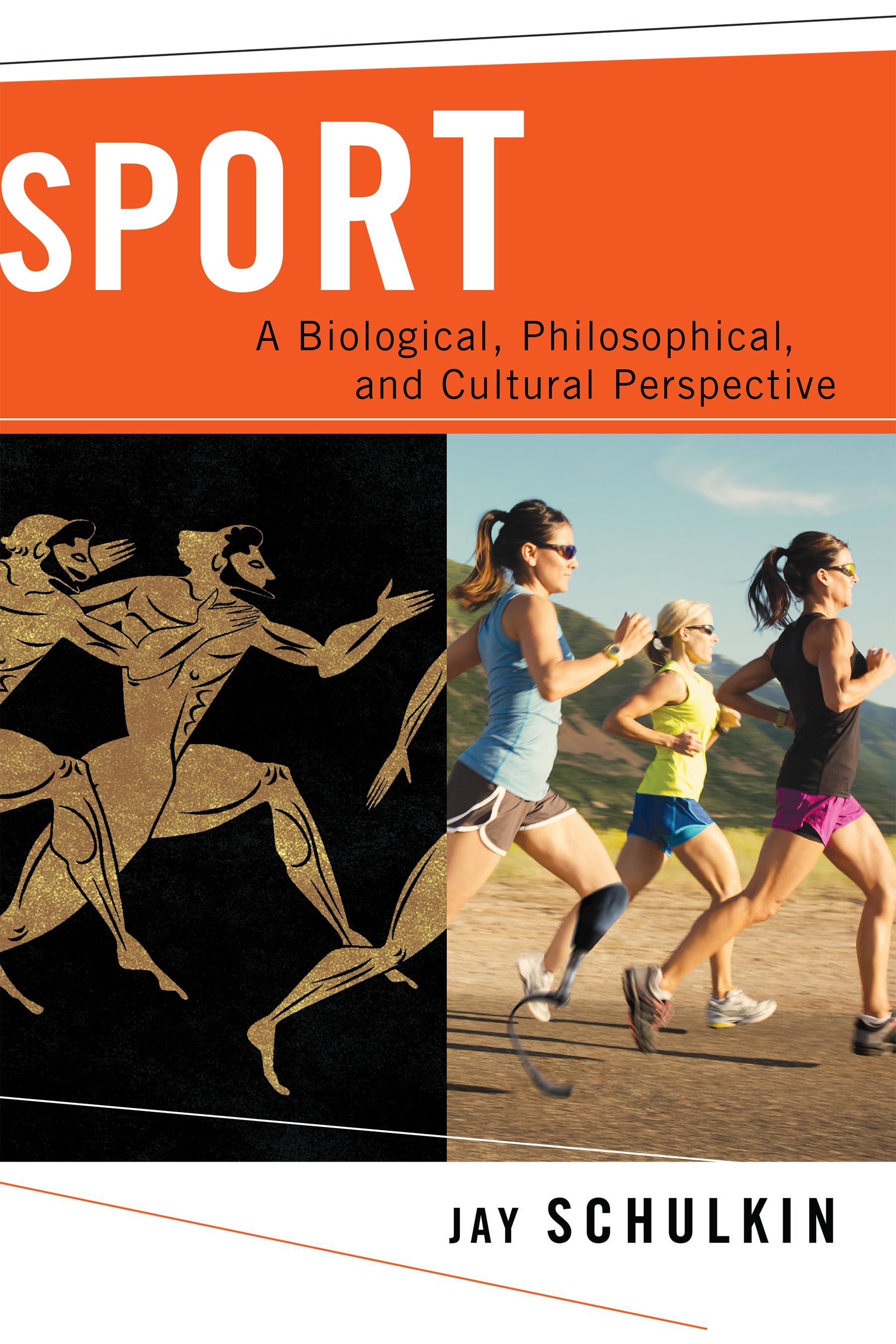
Sports are as varied as the people who play them. We run, jump, and swim. We kick, hit, and shoot balls. We ride sleds in the snow and surf in the sea. From the Olympians of ancient Greece to today's professional athletes, from adult pickup soccer games to children's gymnastics classes, people at all levels of ability at all times and in all places have engaged in sport. What drives this phenomenon?
In Sport, the neuroscientist Jay Schulkin argues that biology and culture do more than coexist when we play sports—they blend together seamlessly, propelling each other toward greater physical and intellectual achievement. To support this claim, Schulkin discusses history, literature, and art—and engages philosophical inquiry and recent behavioral research. He connects sport's basic neural requirements, including spatial and temporal awareness, inference, memory, agency, direction, competitive spirit, and endurance, to the demands of other human activities. He affirms sport's natural role as a creative evolutionary catalyst, turning the external play of sports inward and bringing insight to the diversion that defines our species. Sport, we learn, is a fundamental part of human life.
Payez facilement par carte, Klarna, Apple Pay ou Google Pay. Pas satisfait ? Vous avez toujours une garantie de remboursement de 14 jours. En savoir plus dans nos conditions. Si vous avez des questions, envoyez-nous un e-mail à hello@memmo.org.
Memmo facilite tes études, où que tu sois dans le monde. On rassemble tes manuels de cours et des outils d'étude intelligents au même endroit : résumés, quiz, podcasts et flashcards. Et il y a Ted, ton compagnon d'étude qui répond à toutes tes questions. Plus de 50 000 étudiants étudient déjà ici – conçu pour t'aider à apprendre plus vite et à moins stresser.