
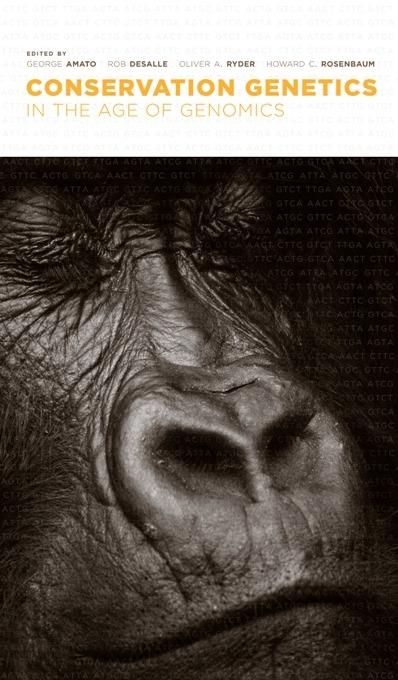
Genome sequencing enables scientists to study genes over time and to test the genetic variability of any form of life, from bacteria to mammals. Thanks to advances in molecular genetics, scientists can now determine an animal's degree of inbreeding or compare genetic variation of a captive species to wild or natural populations. Mapping an organism's genetic makeup recasts such terms as biodiversity and species and enables the conservation of rare or threatened species, populations, and genes.
By introducing a new paradigm for studying and preserving life at a variety of levels, genomics offers solutions to previously intractable problems in understanding the biology of complex organisms and creates new tools for preserving the patterns and processes of life on this planet. Featuring a number of high-profile researchers, this volume introduces the use of molecular genetics in conservation biology and provides a historical perspective on the opportunities and challenges presented by new technologies. It discusses zoo-, museum-, and herbarium-based biological collections, which have expanded over the past decade, and covers the promises and problems of genomic and reproductive technology. The collection concludes with the philosophical and legal issues of conservation genetics and their potential effects on public policy.
Payez facilement par carte, Klarna, Apple Pay ou Google Pay. Pas satisfait ? Vous avez toujours une garantie de remboursement de 14 jours. En savoir plus dans nos conditions. Si vous avez des questions, envoyez-nous un e-mail à hello@memmo.org.
Memmo facilite tes études, où que tu sois dans le monde. On rassemble tes manuels de cours et des outils d'étude intelligents au même endroit : résumés, quiz, podcasts et flashcards. Et il y a Ted, ton compagnon d'étude qui répond à toutes tes questions. Plus de 50 000 étudiants étudient déjà ici – conçu pour t'aider à apprendre plus vite et à moins stresser.