
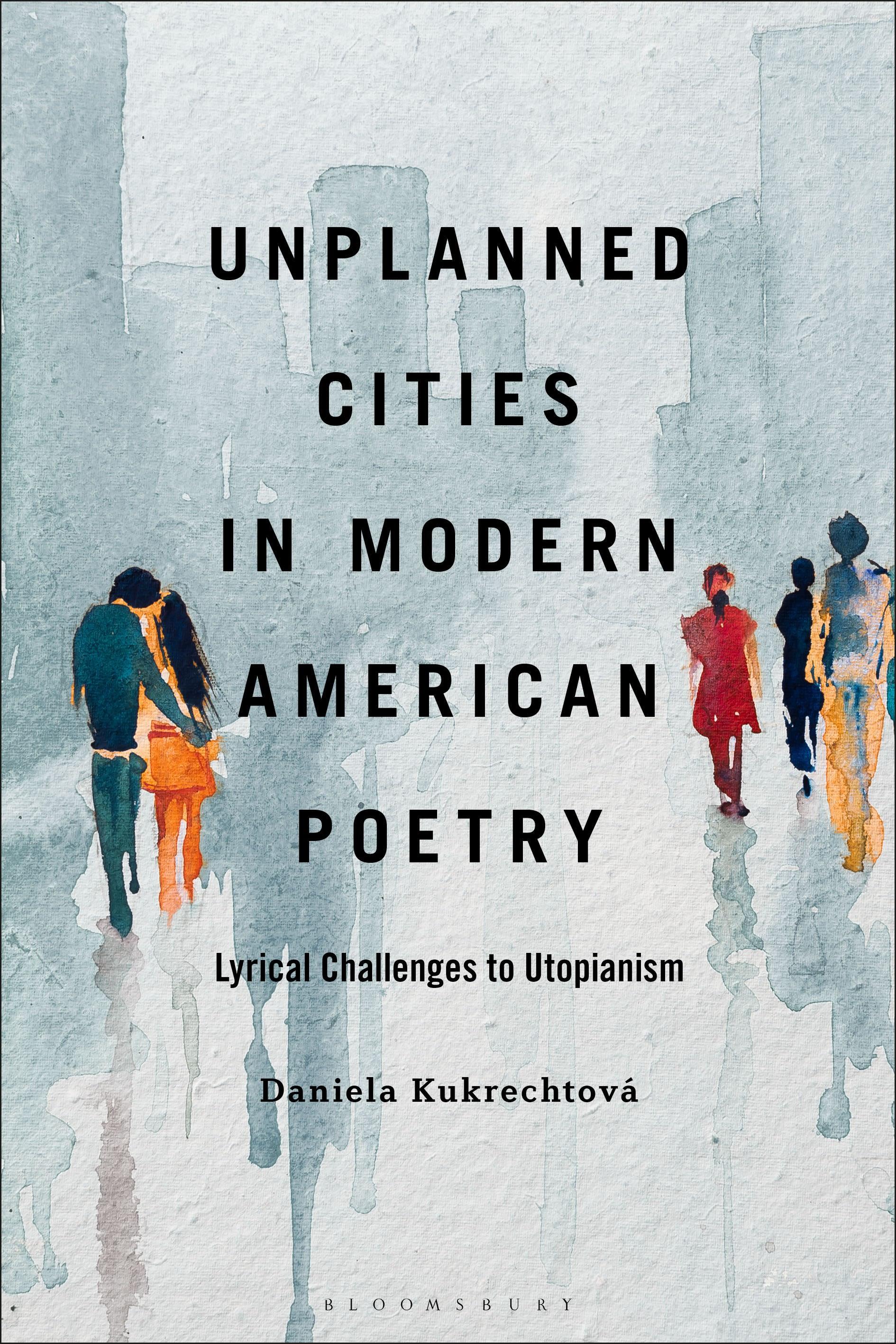
Reveals how five modern American poets challenged prevailing discourses about urbanization through lyrical representations of cities and the diverse people who lived in them.
In early 20th-century America, industrialization and the influx of immigrants and rural migrants into urban centers fostered a certain representation of and distaste for cities and their inhabitants. The dominant discourse was one of containment through utopian planning and violent reshaping, often reflected in both policy-making and writings about cities during this time. Yet as Daniela Kukrechtová identifies, urban literature also reveals voices that challenged that narrative.
Unplanned Cities in Modern American Poetry shows how the formally innovative works of five poets – Jean Toomer, William Carlos Williams, Hart Crane, Frank O'Hara, and Gwendolyn Brooks – worked against anti-urban discourse. Their works displayed a love for disorderly cityscapes and the actual urbanites who inhabit them, promoting the radical idea that cities were for people while revealing the extreme dystopian/utopian discourses that helped create and maintain divisions and disparities.
Kukrechtová argues that, besides offering a radical critique, these poets also used their poetry to imagine the mental and emotional attitudes of urban dwellers toward their environment. She therefore offers the urban ecocritical approach often missing in literary analyses of modern American poetry. Simultaneously, the lyrical and socially-engaged imagination in these works – that is, the human implications of various plans, designs, and policies that helped create the modern American city – represent a voice often unheard in urban studies and its history.
In early 20th-century America, industrialization and the influx of immigrants and rural migrants into urban centers fostered a certain representation of and distaste for cities and their inhabitants. The dominant discourse was one of containment through utopian planning and violent reshaping, often reflected in both policy-making and writings about cities during this time. Yet as Daniela Kukrechtová identifies, urban literature also reveals voices that challenged that narrative.
Unplanned Cities in Modern American Poetry shows how the formally innovative works of five poets – Jean Toomer, William Carlos Williams, Hart Crane, Frank O'Hara, and Gwendolyn Brooks – worked against anti-urban discourse. Their works displayed a love for disorderly cityscapes and the actual urbanites who inhabit them, promoting the radical idea that cities were for people while revealing the extreme dystopian/utopian discourses that helped create and maintain divisions and disparities.
Kukrechtová argues that, besides offering a radical critique, these poets also used their poetry to imagine the mental and emotional attitudes of urban dwellers toward their environment. She therefore offers the urban ecocritical approach often missing in literary analyses of modern American poetry. Simultaneously, the lyrical and socially-engaged imagination in these works – that is, the human implications of various plans, designs, and policies that helped create the modern American city – represent a voice often unheard in urban studies and its history.
Maksa helposti kortilla, Klarnalla, Apple Paylla tai Google Paylla. Etkö ole tyytyväinen? Sinulla on aina 14 päivän palautusoikeus. Lue lisää ehdoistamme. Jos sinulla on kysyttävää, lähetä meille sähköpostia osoitteeseen hello@memmo.org.
Memmo tekee opiskelusta helpompaa – missä päin maailmaa ikinä oletkin. Meillä yhdistät kurssikirjat ja fiksut opiskelutyökalut yhteen paikkaan: tiivistelmät, visat, podcastit ja muistikortit. Ja sitten Ted, opiskelukaverisi, joka vastaa kaikkeen, mitä ikinä mietitkin. Yli 50 000 opiskelijaa opiskelee jo täällä – rakennettu auttamaan sinua oppimaan nopeammin ja stressaamaan vähemmän.