
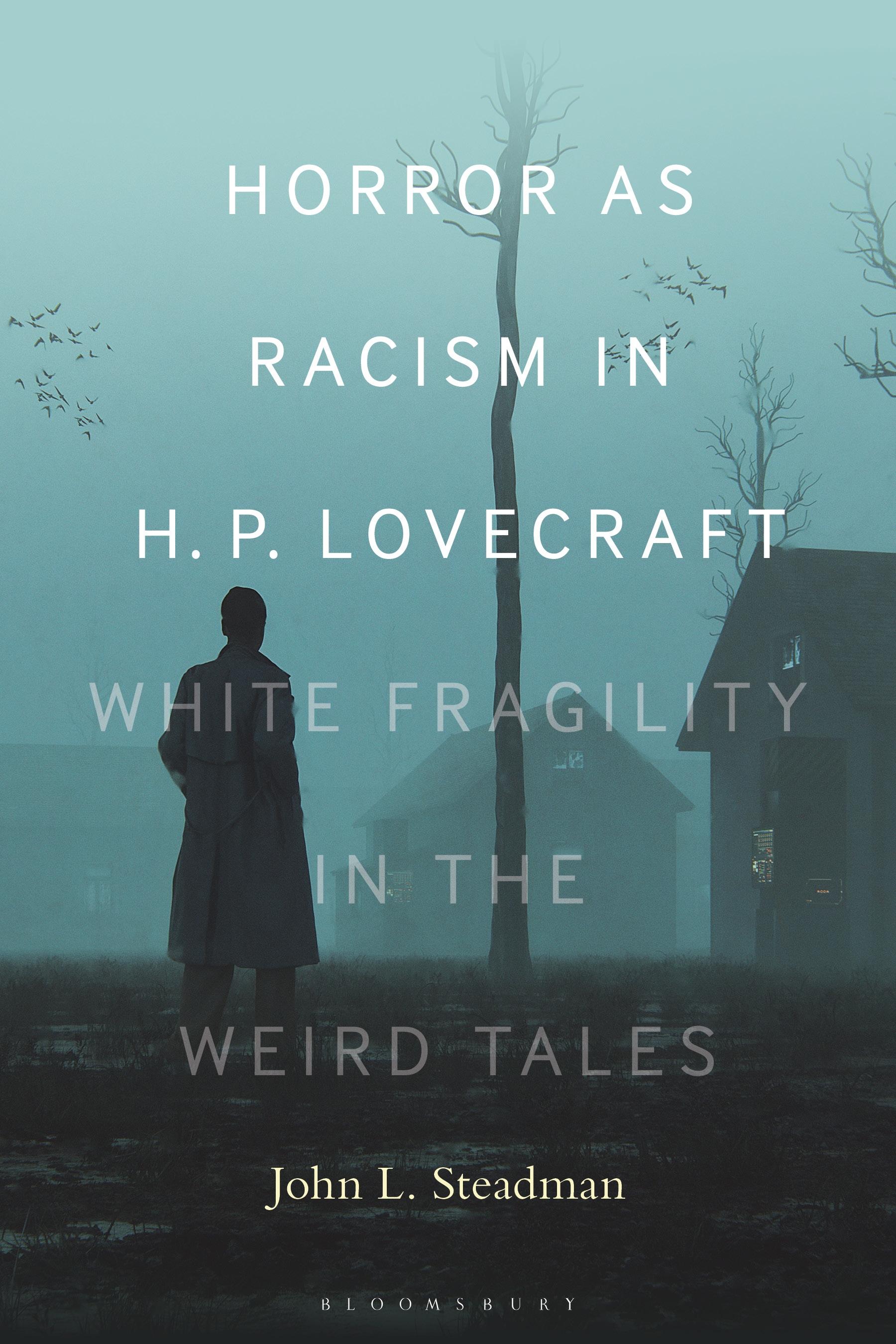
Providing a new perspective on Lovecraft's life and work, Horror as Racism in H.P. Lovecraft focuses on the overlap between the writer's personal beliefs and the racist images and narratives in his speculative fiction.
Building on recent debates about Lovecraft and drawing on the concept of "white fragility," John Steadman argues that the writer's fiction reflects his feelings of resentment and anger towards non-white persons and was used to advocate for his racist, xenophobic political beliefs – that western civilization was in decline and slavery was justifiable among "superior" civilizations. In making these claims, Lovecraft's tales pit humans against extra-terrestrial aliens, developing a terrifying, futuristic vision of the Earth as a plantation planet.
The familiar image of Lovecraft as a reclusive, creative genius and mentor to young writer-friends is dismantled through close readings of his fiction and nonfiction – including correspondence, essays, and poetry – and examination of his early biography. This image is replaced by that of a cruel, callous, and, at times, psychotic man, a violently vitriolic racist and white supremacist who hated most of the non-white races.
While some will dismiss the author outright and others will read his fiction but ignore the racism, Horror as Racism in H.P. Lovecraft takes a middle ground: acknowledging Lovecraft's personal history and heinous intentions, it helps readers navigate the author's disturbing biography while also getting a better sense of the stories, which remain significant within American science fiction.
Building on recent debates about Lovecraft and drawing on the concept of "white fragility," John Steadman argues that the writer's fiction reflects his feelings of resentment and anger towards non-white persons and was used to advocate for his racist, xenophobic political beliefs – that western civilization was in decline and slavery was justifiable among "superior" civilizations. In making these claims, Lovecraft's tales pit humans against extra-terrestrial aliens, developing a terrifying, futuristic vision of the Earth as a plantation planet.
The familiar image of Lovecraft as a reclusive, creative genius and mentor to young writer-friends is dismantled through close readings of his fiction and nonfiction – including correspondence, essays, and poetry – and examination of his early biography. This image is replaced by that of a cruel, callous, and, at times, psychotic man, a violently vitriolic racist and white supremacist who hated most of the non-white races.
While some will dismiss the author outright and others will read his fiction but ignore the racism, Horror as Racism in H.P. Lovecraft takes a middle ground: acknowledging Lovecraft's personal history and heinous intentions, it helps readers navigate the author's disturbing biography while also getting a better sense of the stories, which remain significant within American science fiction.
Maksa helposti kortilla, Klarnalla, Apple Paylla tai Google Paylla. Etkö ole tyytyväinen? Sinulla on aina 14 päivän palautusoikeus. Lue lisää ehdoistamme. Jos sinulla on kysyttävää, lähetä meille sähköpostia osoitteeseen hello@memmo.org.
Memmo tekee opiskelusta helpompaa – missä päin maailmaa ikinä oletkin. Meillä yhdistät kurssikirjat ja fiksut opiskelutyökalut yhteen paikkaan: tiivistelmät, visat, podcastit ja muistikortit. Ja sitten Ted, opiskelukaverisi, joka vastaa kaikkeen, mitä ikinä mietitkin. Yli 50 000 opiskelijaa opiskelee jo täällä – rakennettu auttamaan sinua oppimaan nopeammin ja stressaamaan vähemmän.