
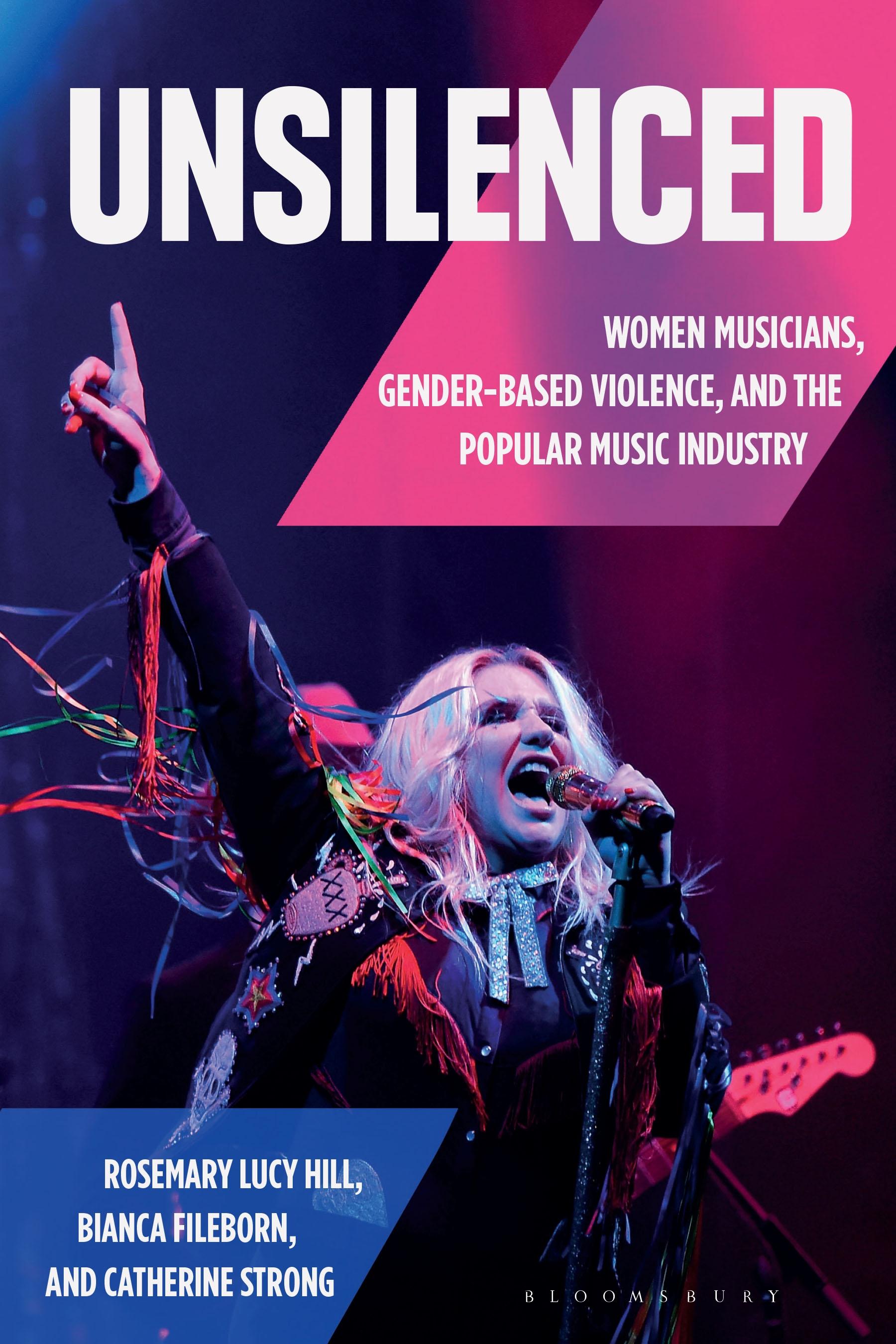
2026 PROSE Award Finalist in Music & The Performing Arts
This book explores gender-based violence within the music industry, and how women who have experienced violence represent it in their music.
Using the key case studies of music by Kesha, Lingua Ignota, and Alice Glass, as well as many other examples from across the musical landscape, the book examines how the artists represent their experiences of gender-based violence in their music, lyrics, and music videos; how they narrate and describe their experiences; how they incorporate these experiences into their public personas; and how the music industry itself might be facilitating or perpetuating the violence.
The analysis sheds light on how survivors construct their experiences, and how the songs and videos inscribe new understandings of gender-based violence. The book argues that men's control of women's creativity can be considered a form of musical abuse, and that through its structures and systems the music industry itself can be classed as inherently abusive. And yet, women musicians can sing back to the violence they've experienced and create powerful new representations that have the potential to change the way we listen to music, if we are prepared to develop our feminist ears.
This book explores gender-based violence within the music industry, and how women who have experienced violence represent it in their music.
Using the key case studies of music by Kesha, Lingua Ignota, and Alice Glass, as well as many other examples from across the musical landscape, the book examines how the artists represent their experiences of gender-based violence in their music, lyrics, and music videos; how they narrate and describe their experiences; how they incorporate these experiences into their public personas; and how the music industry itself might be facilitating or perpetuating the violence.
The analysis sheds light on how survivors construct their experiences, and how the songs and videos inscribe new understandings of gender-based violence. The book argues that men's control of women's creativity can be considered a form of musical abuse, and that through its structures and systems the music industry itself can be classed as inherently abusive. And yet, women musicians can sing back to the violence they've experienced and create powerful new representations that have the potential to change the way we listen to music, if we are prepared to develop our feminist ears.
Sivuja: 160
Kategoria: Kultur-, Genus- & Postkoloniala studier
e-ISBN: 9798765101711
Lähetyspaino: 1.2 kg
Toimitusaika: 1-2 päivää
Maksa helposti kortilla, Klarnalla, Apple Paylla tai Google Paylla. Etkö ole tyytyväinen? Sinulla on aina 14 päivän palautusoikeus. Lue lisää ehdoistamme. Jos sinulla on kysyttävää, lähetä meille sähköpostia osoitteeseen hello@memmo.org.
Memmo tekee opiskelusta helpompaa – missä päin maailmaa ikinä oletkin. Meillä yhdistät kurssikirjat ja fiksut opiskelutyökalut yhteen paikkaan: tiivistelmät, visat, podcastit ja muistikortit. Ja sitten Ted, opiskelukaverisi, joka vastaa kaikkeen, mitä ikinä mietitkin. Yli 50 000 opiskelijaa opiskelee jo täällä – rakennettu auttamaan sinua oppimaan nopeammin ja stressaamaan vähemmän.