
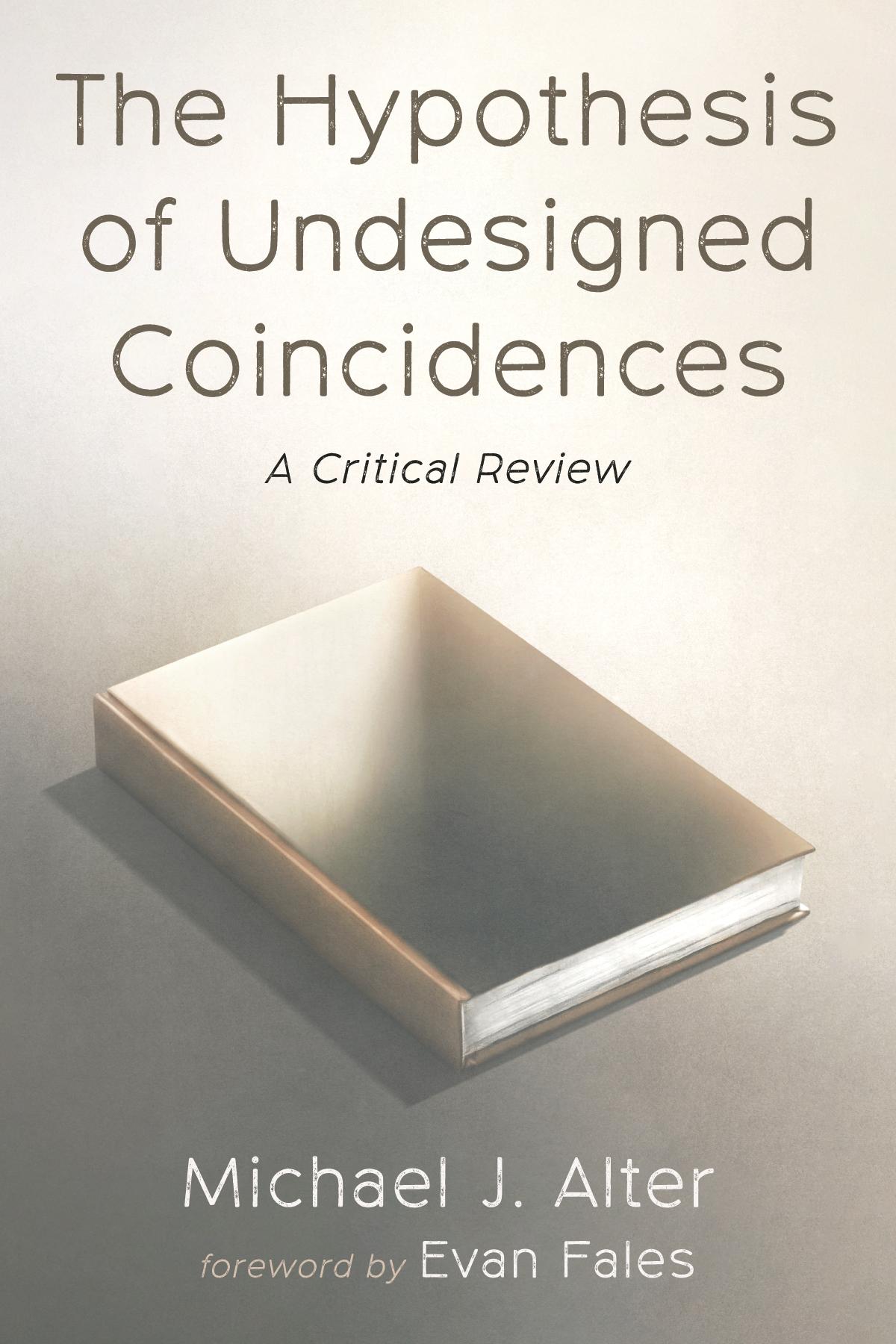
The hypothesis of Undesigned Coincidences was first proposed by William Paley (1743-1805) and later popularized by J. J. Blunt (1794-1855). More recently, Lydia and Timothy McGrew have revived this hypothesis. McGrew defines an undesigned coincidence as "a significant connection between two or more accounts or texts that does not appear to have been planned by the individuals providing the accounts. Despite their apparent independence, the elements fit together like pieces of a puzzle." Advocates use undesigned coincidences to argue that the Gospels are a compilation of independent and reliable sources. However, these advocates do not engage with biblical criticism and overlook relevant research on coincidences and casualness. The feeding of the five thousand is a prominent example discussed by proponents, who point to details such as the green grass, the location of Bethsaida, and the question posed by Jesus to Philip. These episodes are thoroughly reviewed and analyzed in The Hypothesis of Undesigned Coincidences.
Maksa helposti kortilla, Klarnalla, Apple Paylla tai Google Paylla. Etkö ole tyytyväinen? Sinulla on aina 14 päivän palautusoikeus. Lue lisää ehdoistamme. Jos sinulla on kysyttävää, lähetä meille sähköpostia osoitteeseen hello@memmo.org.
Memmo tekee opiskelusta helpompaa – missä päin maailmaa ikinä oletkin. Meillä yhdistät kurssikirjat ja fiksut opiskelutyökalut yhteen paikkaan: tiivistelmät, visat, podcastit ja muistikortit. Ja sitten Ted, opiskelukaverisi, joka vastaa kaikkeen, mitä ikinä mietitkin. Yli 50 000 opiskelijaa opiskelee jo täällä – rakennettu auttamaan sinua oppimaan nopeammin ja stressaamaan vähemmän.
Saatat pitää myös näistä
Osta kirja0