
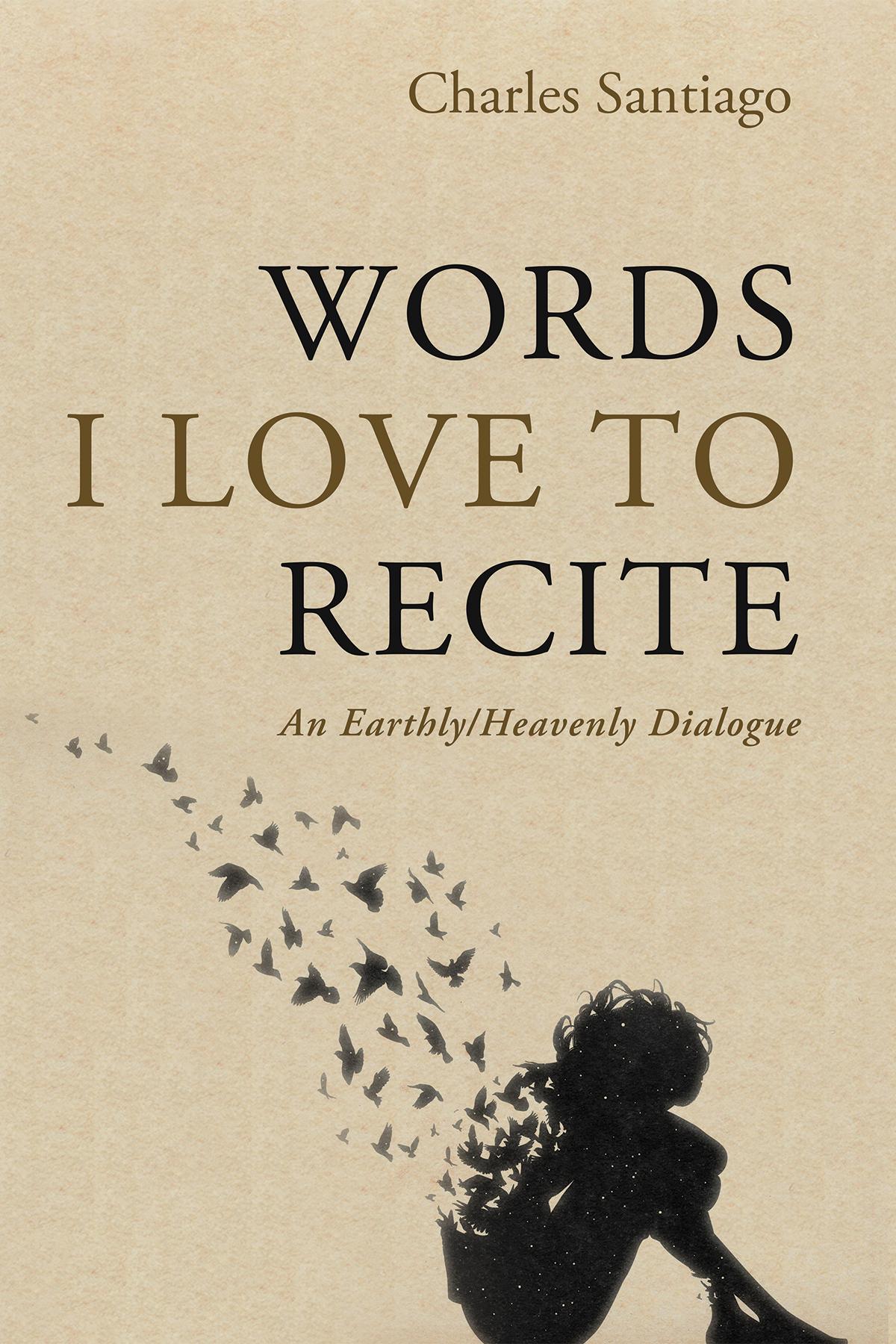
The experience of the afterlife is, normally, considered to take place after death. Death is seen as a wall of partition between those living and those departed. "Dead and gone" are words often used to describe the departed. The writer of these poems was at his wife's bedside when she took her last breath. Anyone observing the horror and desperation the author expressed at that moment would have concluded that he truly believed his wife was dead and gone. In fact, he did believe she was dead and gone. A grief counselor suggested to the new widower that he keep a journal of his experience. He started keeping a journal which, from the start, was a dialogue between him and his "departed" wife. The prose dialogue soon became peppered with poems. The widower began to notice that there were, sometimes, correlations between what was written in the poems and his daily experience. The poems and his daily experience became for the new widower proof enough that the afterlife can be experienced this side of the grave.
Maksa helposti kortilla, Klarnalla, Apple Paylla tai Google Paylla. Etkö ole tyytyväinen? Sinulla on aina 14 päivän palautusoikeus. Lue lisää ehdoistamme. Jos sinulla on kysyttävää, lähetä meille sähköpostia osoitteeseen hello@memmo.org.
Memmo tekee opiskelusta helpompaa – missä päin maailmaa ikinä oletkin. Meillä yhdistät kurssikirjat ja fiksut opiskelutyökalut yhteen paikkaan: tiivistelmät, visat, podcastit ja muistikortit. Ja sitten Ted, opiskelukaverisi, joka vastaa kaikkeen, mitä ikinä mietitkin. Yli 50 000 opiskelijaa opiskelee jo täällä – rakennettu auttamaan sinua oppimaan nopeammin ja stressaamaan vähemmän.
Saatat pitää myös näistä
Osta kirja0