
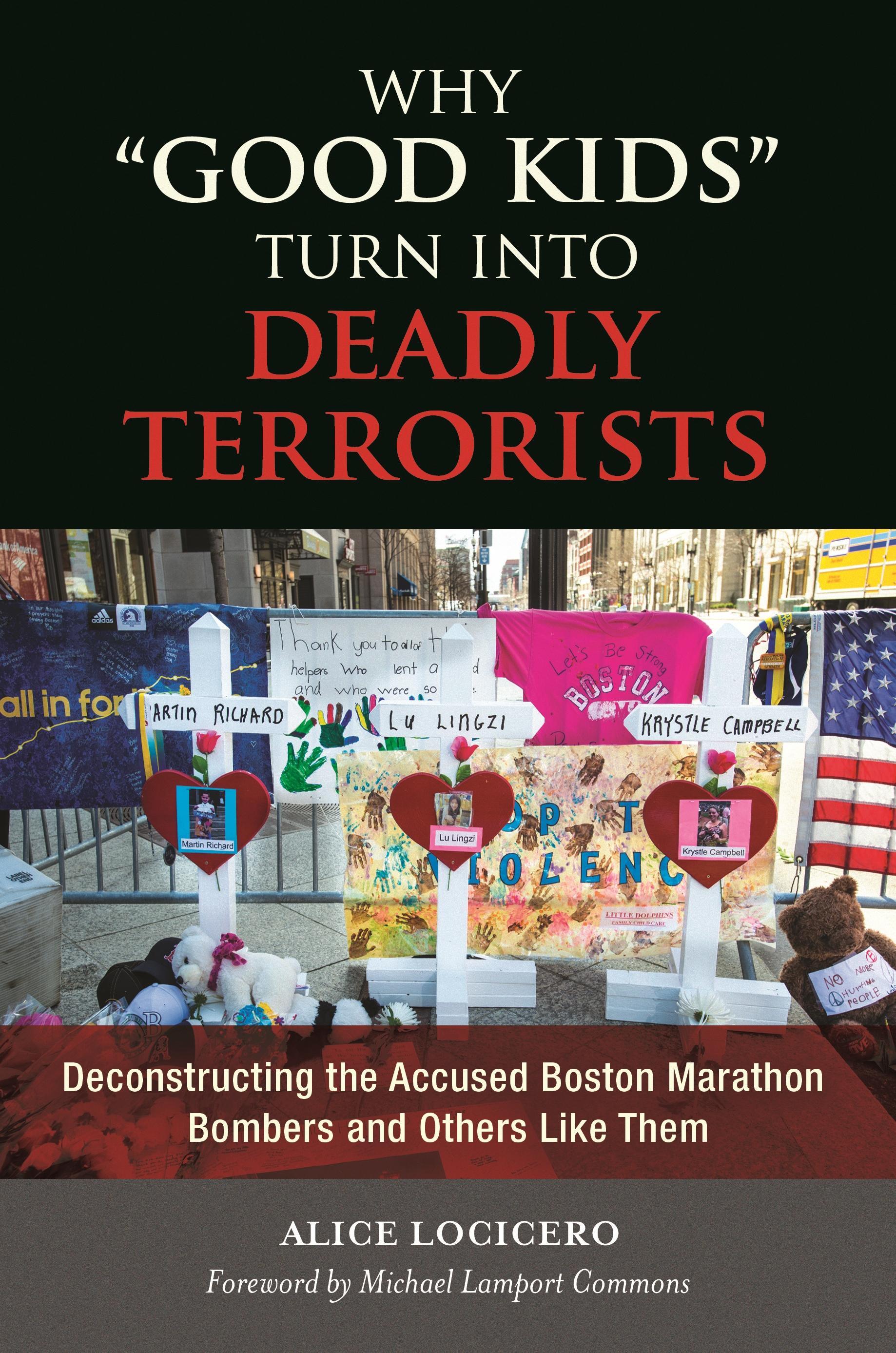
Using psychological theory and the author's direct experience working with at-risk youth, this book answers the questions on the minds of anyone shocked and appalled by the events of the Boston Marathon bombings.
The shock of the 2013 Boston Marathon bombings was soon followed by a revelation initially disturbing and mystifying: two apparently unremarkable brothers—one a teenager, the other a young adult; both well-liked immigrants and longtime U.S. residents—had allegedly triggered the bombs. Why were these two seemingly "normal" individuals driven to commit such acts of coldblooded violence? This book examines not only the lives, motivations, and key influences of these infamous brothers, but those of other young, unexpected terrorists worldwide, comparing factors that contributed to their decisions to become terrorists and identifying methods used to recruit them into that deadly fold.
The chapters teach readers warning signs that youths are being drawn in to terrorism and serve to spur meaningful conversations among citizens, politicians, and policymakers about what we can do to prevent such recruitment of youths and young adults, including other U.S. residents who might consider emulating the Tsarnaev brothers. The book also addresses larger, related questions, such as whether humans are naturally violent, who benefits when young individuals engage in terrorism, and why minors are recruited to become killers.
The shock of the 2013 Boston Marathon bombings was soon followed by a revelation initially disturbing and mystifying: two apparently unremarkable brothers—one a teenager, the other a young adult; both well-liked immigrants and longtime U.S. residents—had allegedly triggered the bombs. Why were these two seemingly "normal" individuals driven to commit such acts of coldblooded violence? This book examines not only the lives, motivations, and key influences of these infamous brothers, but those of other young, unexpected terrorists worldwide, comparing factors that contributed to their decisions to become terrorists and identifying methods used to recruit them into that deadly fold.
The chapters teach readers warning signs that youths are being drawn in to terrorism and serve to spur meaningful conversations among citizens, politicians, and policymakers about what we can do to prevent such recruitment of youths and young adults, including other U.S. residents who might consider emulating the Tsarnaev brothers. The book also addresses larger, related questions, such as whether humans are naturally violent, who benefits when young individuals engage in terrorism, and why minors are recruited to become killers.
Maksa helposti kortilla, Klarnalla, Apple Paylla tai Google Paylla. Etkö ole tyytyväinen? Sinulla on aina 14 päivän palautusoikeus. Lue lisää ehdoistamme. Jos sinulla on kysyttävää, lähetä meille sähköpostia osoitteeseen hello@memmo.org.
Memmo tekee opiskelusta helpompaa – missä päin maailmaa ikinä oletkin. Meillä yhdistät kurssikirjat ja fiksut opiskelutyökalut yhteen paikkaan: tiivistelmät, visat, podcastit ja muistikortit. Ja sitten Ted, opiskelukaverisi, joka vastaa kaikkeen, mitä ikinä mietitkin. Yli 50 000 opiskelijaa opiskelee jo täällä – rakennettu auttamaan sinua oppimaan nopeammin ja stressaamaan vähemmän.