
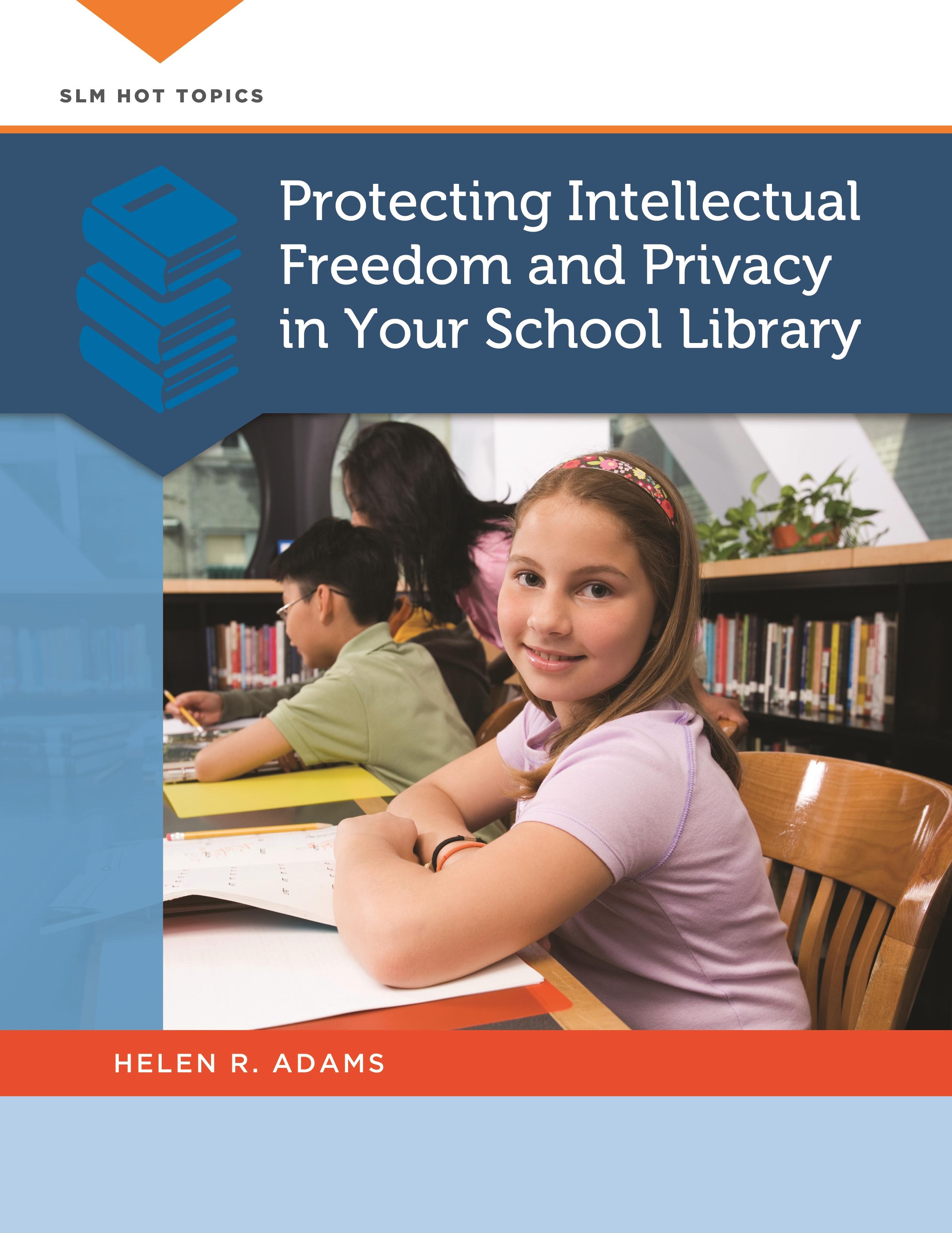
Written by a well-known intellectual freedom advocate, this book is a one-stop source for school librarians on intellectual freedom and privacy issues that blends principles with best practices.
In order to sort out fact from fiction and become effective, critically thinking adults in a global society, children need access to diverse points of view from authoritative sources in their school libraries. This book provides school librarians with easy-to-read guidance on specific aspects of intellectual freedom and privacy, explaining how the core values of the library profession translate into everyday practice. The readings supply current information and targeted, practical advice on a broad range of topics, including privacy and confidentiality in the context of a school library; working with homeless students, English language learners, and other special needs students; challenges to school library materials; filtering issues; and advocacy for intellectual freedom.
Each of the nine chapters begins with an introductory essay examining the topic and concludes with a "key ideas" summary; a list of annotated resources to lead the reader to more information on the individual column topics; and discussion questions. The volume's appendices include the text of the ALA Library Bill of Rights and the Code of Ethics as well as an annotated list of pro-First Amendment and privacy protecting organizations with contact information.
In order to sort out fact from fiction and become effective, critically thinking adults in a global society, children need access to diverse points of view from authoritative sources in their school libraries. This book provides school librarians with easy-to-read guidance on specific aspects of intellectual freedom and privacy, explaining how the core values of the library profession translate into everyday practice. The readings supply current information and targeted, practical advice on a broad range of topics, including privacy and confidentiality in the context of a school library; working with homeless students, English language learners, and other special needs students; challenges to school library materials; filtering issues; and advocacy for intellectual freedom.
Each of the nine chapters begins with an introductory essay examining the topic and concludes with a "key ideas" summary; a list of annotated resources to lead the reader to more information on the individual column topics; and discussion questions. The volume's appendices include the text of the ALA Library Bill of Rights and the Code of Ethics as well as an annotated list of pro-First Amendment and privacy protecting organizations with contact information.
Maksa helposti kortilla, Klarnalla, Apple Paylla tai Google Paylla. Etkö ole tyytyväinen? Sinulla on aina 14 päivän palautusoikeus. Lue lisää ehdoistamme. Jos sinulla on kysyttävää, lähetä meille sähköpostia osoitteeseen hello@memmo.org.
Memmo tekee opiskelusta helpompaa – missä päin maailmaa ikinä oletkin. Meillä yhdistät kurssikirjat ja fiksut opiskelutyökalut yhteen paikkaan: tiivistelmät, visat, podcastit ja muistikortit. Ja sitten Ted, opiskelukaverisi, joka vastaa kaikkeen, mitä ikinä mietitkin. Yli 50 000 opiskelijaa opiskelee jo täällä – rakennettu auttamaan sinua oppimaan nopeammin ja stressaamaan vähemmän.