
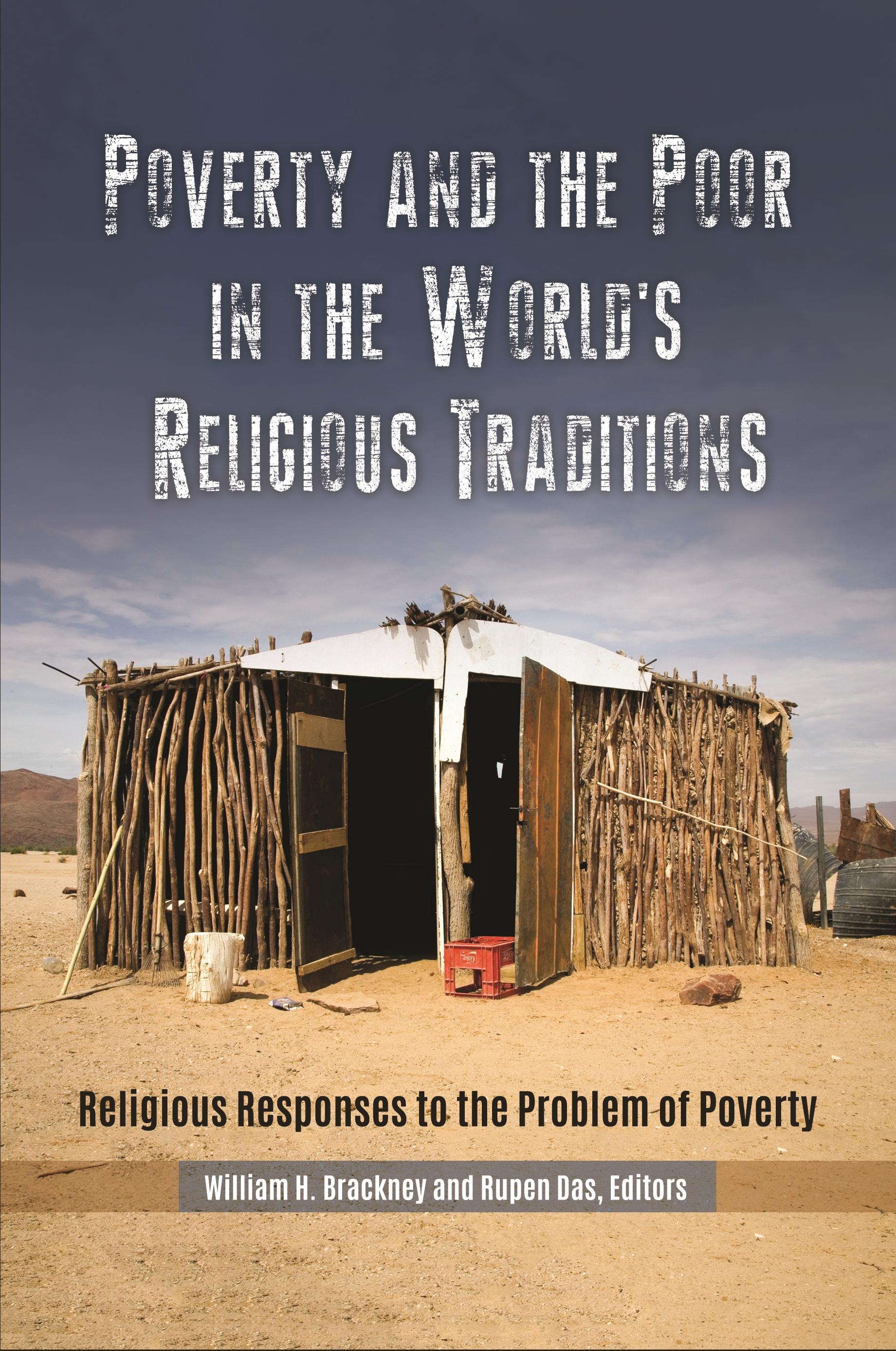
This detailed book is a resource for students, practitioners, and leaders interested in how the major world religions have understood poverty and responded to the poor.
Poverty is a universal phenomenon across history, regardless of country or culture. Today, the demographics of the poor are on the rise globally: it is a critical issue. Religious traditions are another universal aspect of human societies, and nearly all religions include directives on how to respond to the poor and systemic poverty. How do the various religious traditions conceptualize poverty, and what do they view as the proper response to the poor?
Poverty and the Poor in the World's Religious Traditions: Religious Responses to the Problem of Poverty brings together specialists on the religions of the world and their diverse viewpoints to identify how different religious traditions interact with poverty and being poor. It also contains excerpts of religious texts that readers can use as primary documents to illustrate themes such as identifying the poor, religious reasons for being poor, and responses (like charity and development) to the existence of poverty. This book serves as a powerful resource for students of subjects like international development, missiology, comparative religion, theology, social ethics, economics, and organizational leadership as well as for any socially concerned clergy of various faiths.
Poverty is a universal phenomenon across history, regardless of country or culture. Today, the demographics of the poor are on the rise globally: it is a critical issue. Religious traditions are another universal aspect of human societies, and nearly all religions include directives on how to respond to the poor and systemic poverty. How do the various religious traditions conceptualize poverty, and what do they view as the proper response to the poor?
Poverty and the Poor in the World's Religious Traditions: Religious Responses to the Problem of Poverty brings together specialists on the religions of the world and their diverse viewpoints to identify how different religious traditions interact with poverty and being poor. It also contains excerpts of religious texts that readers can use as primary documents to illustrate themes such as identifying the poor, religious reasons for being poor, and responses (like charity and development) to the existence of poverty. This book serves as a powerful resource for students of subjects like international development, missiology, comparative religion, theology, social ethics, economics, and organizational leadership as well as for any socially concerned clergy of various faiths.
Maksa helposti kortilla, Klarnalla, Apple Paylla tai Google Paylla. Etkö ole tyytyväinen? Sinulla on aina 14 päivän palautusoikeus. Lue lisää ehdoistamme. Jos sinulla on kysyttävää, lähetä meille sähköpostia osoitteeseen hello@memmo.org.
Memmo tekee opiskelusta helpompaa – missä päin maailmaa ikinä oletkin. Meillä yhdistät kurssikirjat ja fiksut opiskelutyökalut yhteen paikkaan: tiivistelmät, visat, podcastit ja muistikortit. Ja sitten Ted, opiskelukaverisi, joka vastaa kaikkeen, mitä ikinä mietitkin. Yli 50 000 opiskelijaa opiskelee jo täällä – rakennettu auttamaan sinua oppimaan nopeammin ja stressaamaan vähemmän.