
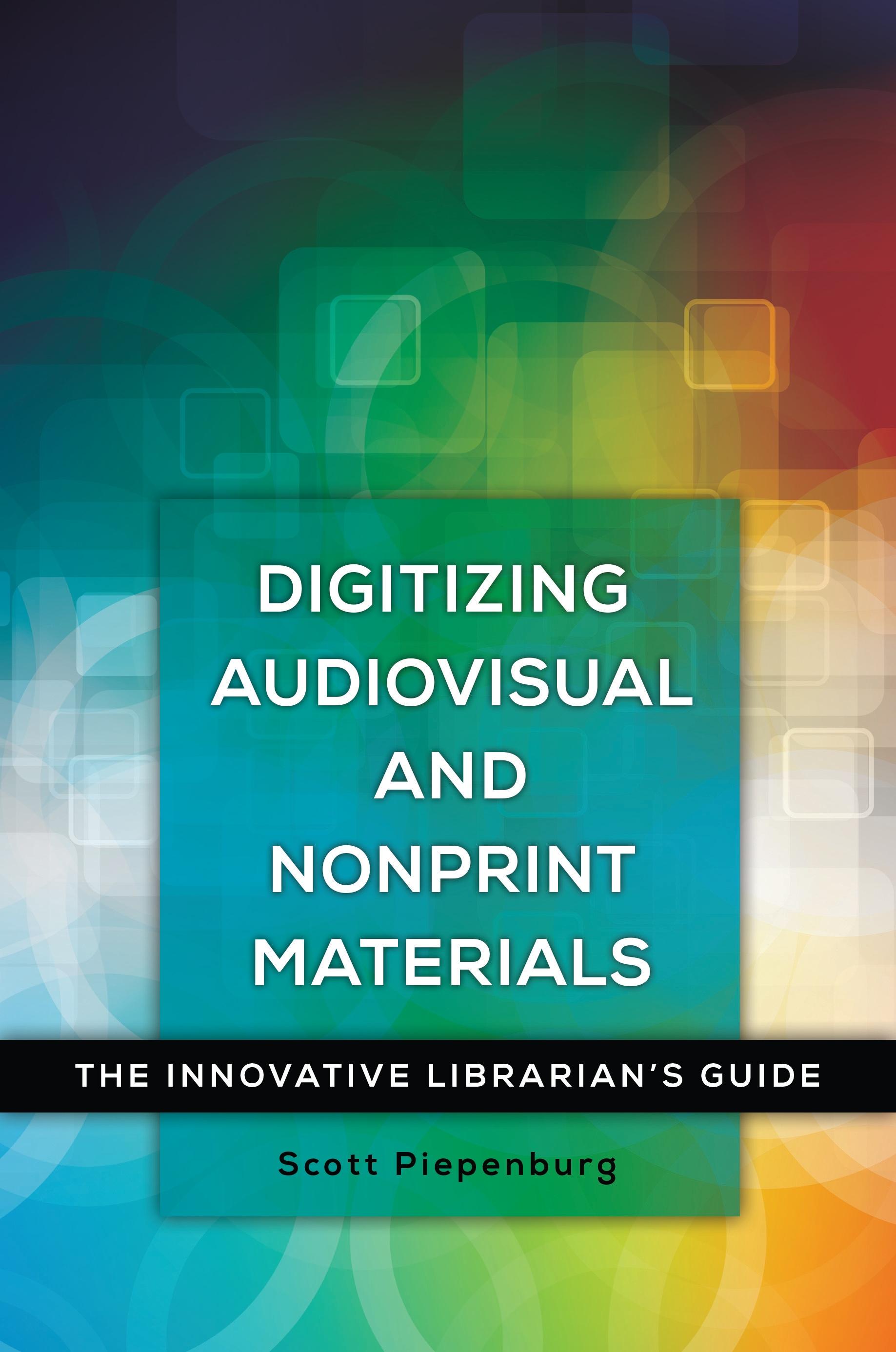
AV collections in libraries are disintegrating, and their playback equipment is soon to be obsolete. Digitizing can be the solution to decay and for continued access.
Why give up on at-risk treasures of your AV collection when you can easily digitize them in house? This guide walks you through the process of planning and implementing digitization projects for the common formats libraries have collected over the last 30 or 40 years. It guides first-time users in setting up a facility to convert analog tapes and records into a digital form, explaining how to clean up those sources to produce a high-quality output for end-users. The same theories and skills are applied to the visual domain so you can convert VHS, Beta, U-Matic, and laserdiscs into archival visual formats.
A unique feature of the book is that it will help you understand the process without having to become a techno-geek. Basic information on computer hardware and software is discussed, including the equipment needed to digitize various formats. Techniques for capturing, editing, storing, and making digitized files available to patrons are also covered. Because budgets are always a concern, the work looks at ways you can leverage current resources and facilities with minimal outlay of capital to start a project, and it offers practical guidance on how to maintain the information long term.
Why give up on at-risk treasures of your AV collection when you can easily digitize them in house? This guide walks you through the process of planning and implementing digitization projects for the common formats libraries have collected over the last 30 or 40 years. It guides first-time users in setting up a facility to convert analog tapes and records into a digital form, explaining how to clean up those sources to produce a high-quality output for end-users. The same theories and skills are applied to the visual domain so you can convert VHS, Beta, U-Matic, and laserdiscs into archival visual formats.
A unique feature of the book is that it will help you understand the process without having to become a techno-geek. Basic information on computer hardware and software is discussed, including the equipment needed to digitize various formats. Techniques for capturing, editing, storing, and making digitized files available to patrons are also covered. Because budgets are always a concern, the work looks at ways you can leverage current resources and facilities with minimal outlay of capital to start a project, and it offers practical guidance on how to maintain the information long term.
Sivuja: 106
Kategoria: Film- & Medievetenskap
e-ISBN: 9798216074595
Lähetyspaino: 1.2 kg
Toimitusaika: 1-2 päivää
Maksa helposti kortilla, Klarnalla, Apple Paylla tai Google Paylla. Etkö ole tyytyväinen? Sinulla on aina 14 päivän palautusoikeus. Lue lisää ehdoistamme. Jos sinulla on kysyttävää, lähetä meille sähköpostia osoitteeseen hello@memmo.org.
Memmo tekee opiskelusta helpompaa – missä päin maailmaa ikinä oletkin. Meillä yhdistät kurssikirjat ja fiksut opiskelutyökalut yhteen paikkaan: tiivistelmät, visat, podcastit ja muistikortit. Ja sitten Ted, opiskelukaverisi, joka vastaa kaikkeen, mitä ikinä mietitkin. Yli 50 000 opiskelijaa opiskelee jo täällä – rakennettu auttamaan sinua oppimaan nopeammin ja stressaamaan vähemmän.