
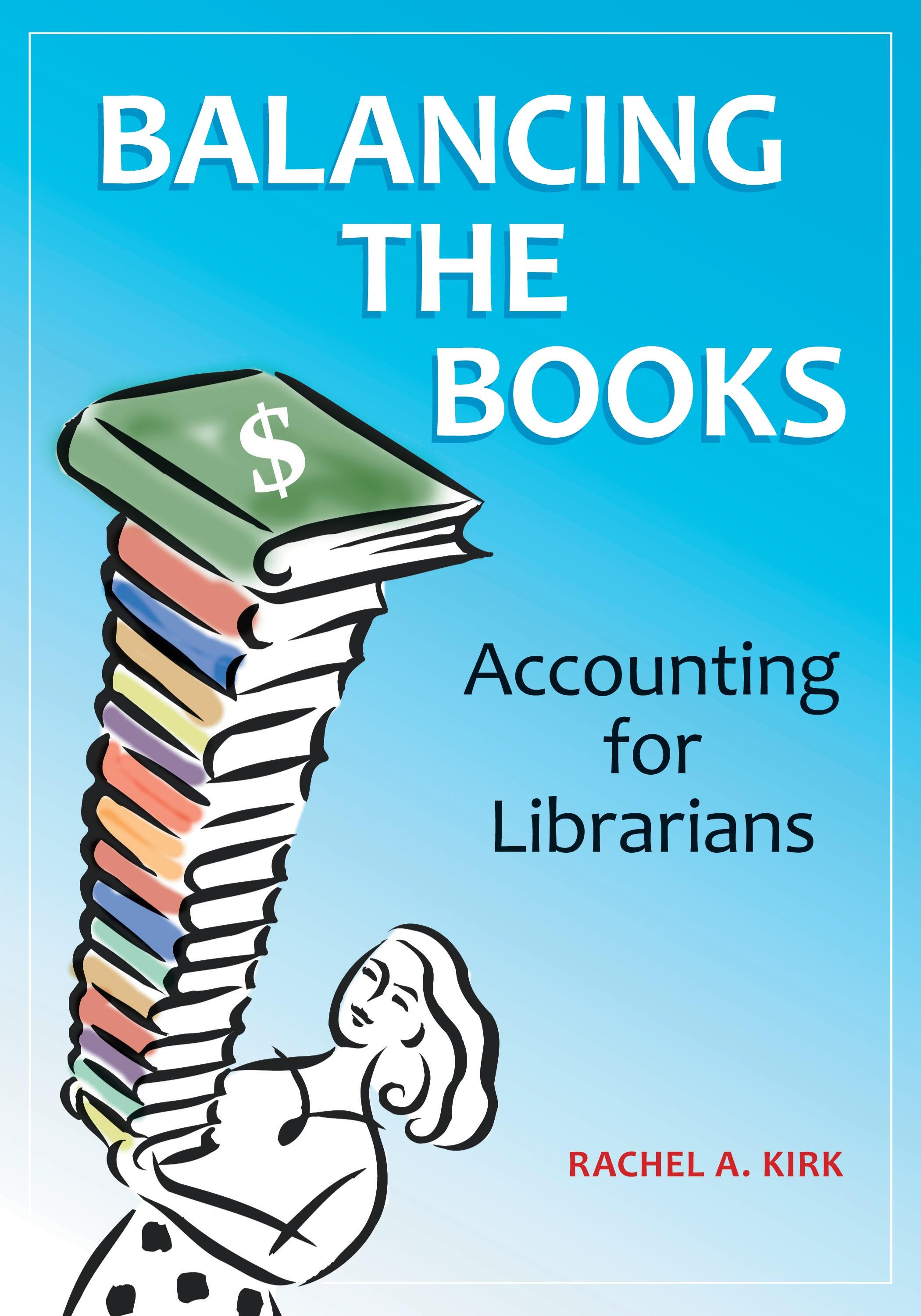
Any competent librarian can have good accounting skills—after all, attention to detail, correct classification, and effective documentation are essential to both kinds of tasks. This book covers accounting concepts, budgeting, and government regulations that pertain to libraries.
Balancing the Books: Accounting for Librarians fills the gap that exists in literature on library acquisitions accounting. By covering essential accounting concepts, budgeting, government regulations that pertain to libraries, as well as accounting measurement methods and their relationship to assessment, this book effectively addresses the questions often posed by acquisition librarians pertaining to accounting. It also directs readers to other authoritative resources for help on accounting topics outside the scope of the work.
The book begins by addressing the specific issues involved with library accounting. Section two provides the reader with a fundamental grasp of accounting principles by providing readers with definitions, examples, and templates to help them understand and apply accounting standards to their unique situations. In section three, the reciprocal relationship between accounting and budgeting is examined, and the author further explores how budgeting can be used by librarians in deciding what they want to measure and what those metrics should be. The final section covers important regulations and standards—for example, those promulgated by the Government Accounting Standards Board (GASB) and the Financial Accounting Standards Board (FASB).
Balancing the Books: Accounting for Librarians fills the gap that exists in literature on library acquisitions accounting. By covering essential accounting concepts, budgeting, government regulations that pertain to libraries, as well as accounting measurement methods and their relationship to assessment, this book effectively addresses the questions often posed by acquisition librarians pertaining to accounting. It also directs readers to other authoritative resources for help on accounting topics outside the scope of the work.
The book begins by addressing the specific issues involved with library accounting. Section two provides the reader with a fundamental grasp of accounting principles by providing readers with definitions, examples, and templates to help them understand and apply accounting standards to their unique situations. In section three, the reciprocal relationship between accounting and budgeting is examined, and the author further explores how budgeting can be used by librarians in deciding what they want to measure and what those metrics should be. The final section covers important regulations and standards—for example, those promulgated by the Government Accounting Standards Board (GASB) and the Financial Accounting Standards Board (FASB).
Sivuja: 152
Kategoria: Redovisning, Finans & Investering
e-ISBN: 9798216051190
Lähetyspaino: 1.2 kg
Toimitusaika: 1-2 päivää
Maksa helposti kortilla, Klarnalla, Apple Paylla tai Google Paylla. Etkö ole tyytyväinen? Sinulla on aina 14 päivän palautusoikeus. Lue lisää ehdoistamme. Jos sinulla on kysyttävää, lähetä meille sähköpostia osoitteeseen hello@memmo.org.
Memmo tekee opiskelusta helpompaa – missä päin maailmaa ikinä oletkin. Meillä yhdistät kurssikirjat ja fiksut opiskelutyökalut yhteen paikkaan: tiivistelmät, visat, podcastit ja muistikortit. Ja sitten Ted, opiskelukaverisi, joka vastaa kaikkeen, mitä ikinä mietitkin. Yli 50 000 opiskelijaa opiskelee jo täällä – rakennettu auttamaan sinua oppimaan nopeammin ja stressaamaan vähemmän.