
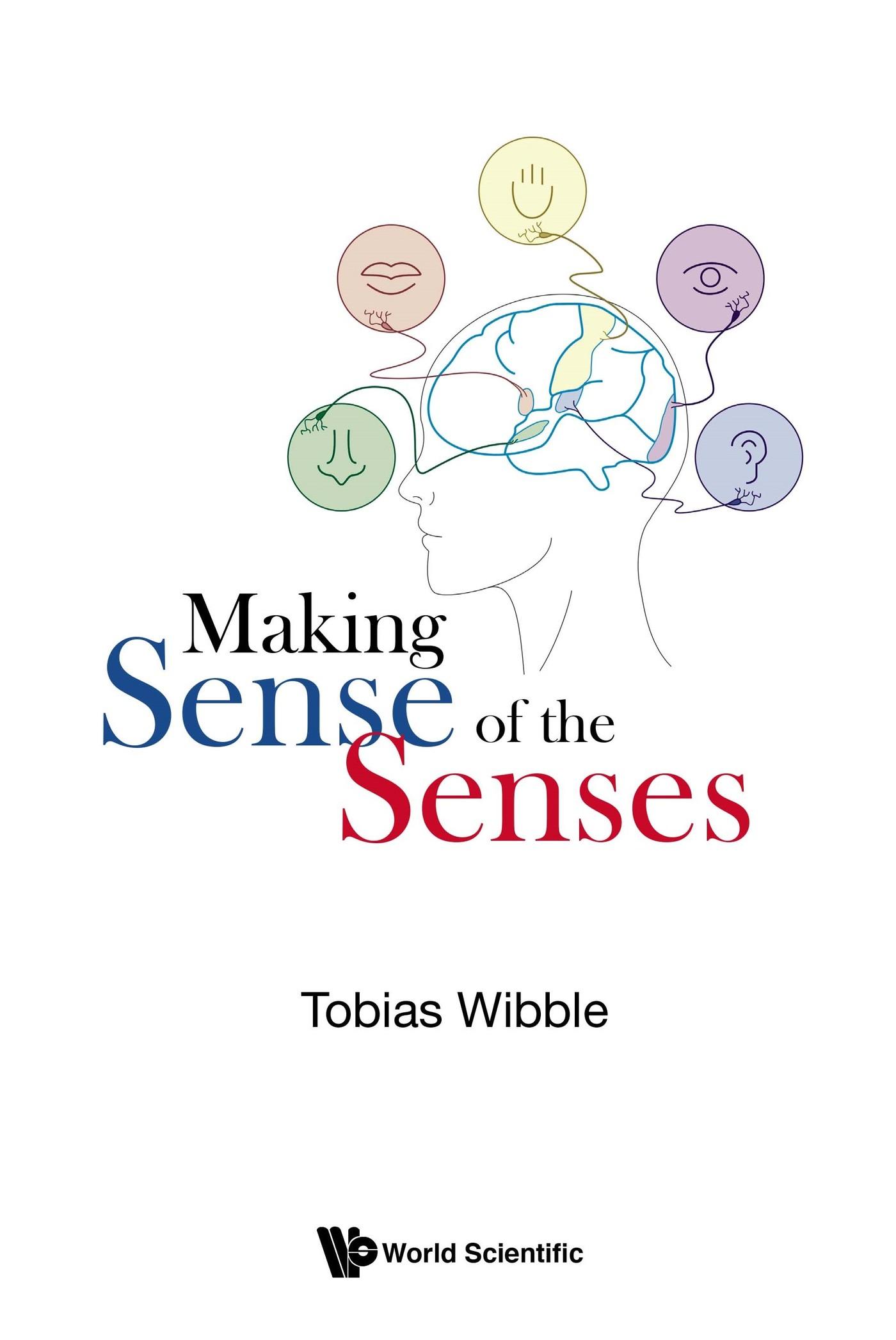
Making Sense of the Senses provides an easily understandable and engaging overview of the senses. The book allows readers insights into how humans and other animals perceive the world, reflecting a level of knowledge similar to that acquired by studying neuroscience at an undergraduate level. In order to offer an accessible introduction to the science, it uses relatable examples to uncover the history, evolution, and biological principles of the way we see, smell, hear, taste, touch and more.
Rather than only focusing on the five primary senses you can see on the cover, Making Sense of the Senses dives deep into the various methods through which life across the planet surveys the world, and guides the reader through the lesser-known methods through which we humans interpret our surroundings. In this way, we come across some amazing abilities that we often forget we possess.
Humans are nevertheless rather average creatures compared to many sensory specialists. So when we compare our relatively modest capabilities to those of other species across the animal kingdom, we are forced to yield our anthropocentric sense of supremacy. This book will introduce how biological life developed the capacity to detect magnetic fields, radioactivity, and many more phenomena that until recently were inaccessible to humans.
By contextualising and comparing how the senses operate, this book covers the sensory systems in a way no popular science book has previously done. If you are starting your career in neuroscience, or simply want to learn more about the ways our biology guides us through life, Making Sense of the Senses will change the way you think about our perception of the world.
Contents:
- Acknowledgement
- Foreword
- Introduction
- Making the Senses
- Vision
- Hearing
- Smell
- Taste
- Touch
- The Hidden Senses
- Making Sense Across the Animal World
- The Superhuman Senses of the Animal Kingdom
- The Future of the Senses
- A Final Remark
- References
- Index
Readership: Primary Market: First year undergraduate students in life sciences or high school students interested in biology; Educated laymen in the general public. Secondary Market: As a possible reference guide for introductory courses in sensory neuroscience.
Key Features:
- The book assumes no pre-existing knowledge, and adopts a truly holistic perspective in presenting context for each aspect it covers
- There is currently no book introducing sensory neuroscience to the general public or educated laymen, which this work aims to do
- By combining several aspects of life sciences, the novice readership will be offered a wide introduction to the field of sensory neuroscience. Ranging from single celled organisms to mammals, with references to evolutionary biology as well as cultural perspectives, this book is offers an unmatched scope
- Unlike most popular science books this title offers references to each claim, which allows it to serve as a starting-point for students wanting to learn more on the subject
Maksa helposti kortilla, Klarnalla, Apple Paylla tai Google Paylla. Etkö ole tyytyväinen? Sinulla on aina 14 päivän palautusoikeus. Lue lisää ehdoistamme. Jos sinulla on kysyttävää, lähetä meille sähköpostia osoitteeseen hello@memmo.org.
Memmo tekee opiskelusta helpompaa – missä päin maailmaa ikinä oletkin. Meillä yhdistät kurssikirjat ja fiksut opiskelutyökalut yhteen paikkaan: tiivistelmät, visat, podcastit ja muistikortit. Ja sitten Ted, opiskelukaverisi, joka vastaa kaikkeen, mitä ikinä mietitkin. Yli 50 000 opiskelijaa opiskelee jo täällä – rakennettu auttamaan sinua oppimaan nopeammin ja stressaamaan vähemmän.