
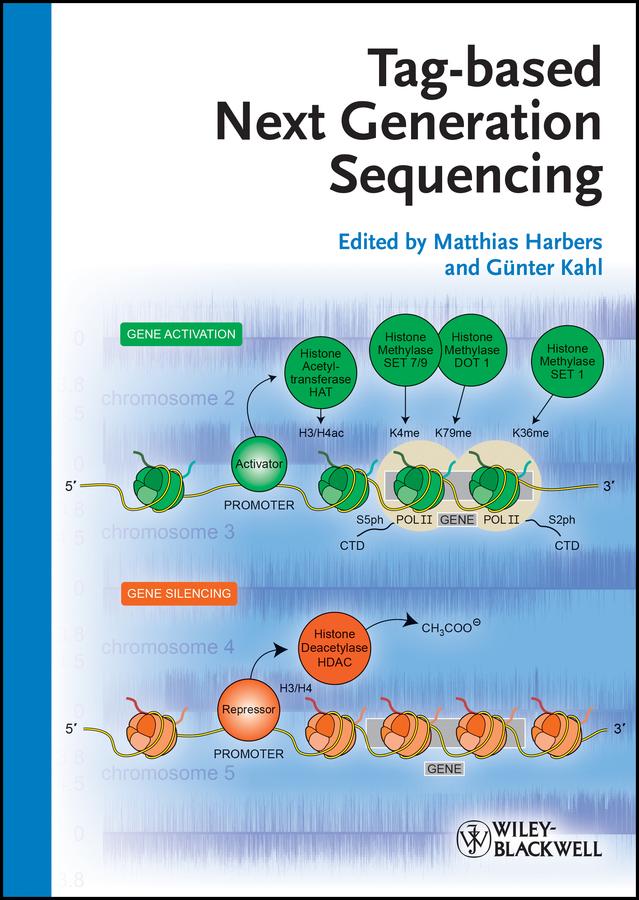
Tag-based approaches were originally designed to increase the throughput of capillary sequencing, where concatemers of short sequences were first used in expression profiling. New Next Generation Sequencing methods largely extended the use of tag-based approaches as the tag lengths perfectly match with the short read length of highly parallel sequencing reactions. Tag-based approaches will maintain their important role in life and biomedical science, because longer read lengths are often not required to obtain meaningful data for many applications. Whereas genome re-sequencing and de novo sequencing will benefit from ever more powerful sequencing methods, analytical applications can be performed by tag-based approaches, where the focus shifts from 'sequencing power' to better means of data analysis and visualization for common users. Today Next Generation Sequence data require powerful bioinformatics expertise that has to be converted into easy-to-use data analysis tools. The book's intention is to give an overview on recently developed tag-based approaches along with means of their data analysis together with introductions to Next-Generation Sequencing Methods, protocols and user guides to be an entry for scientists to tag-based approaches for Next Generation Sequencing.
Maksa helposti kortilla, Klarnalla, Apple Paylla tai Google Paylla. Etkö ole tyytyväinen? Sinulla on aina 14 päivän palautusoikeus. Lue lisää ehdoistamme. Jos sinulla on kysyttävää, lähetä meille sähköpostia osoitteeseen hello@memmo.org.
Memmo tekee opiskelusta helpompaa – missä päin maailmaa ikinä oletkin. Meillä yhdistät kurssikirjat ja fiksut opiskelutyökalut yhteen paikkaan: tiivistelmät, visat, podcastit ja muistikortit. Ja sitten Ted, opiskelukaverisi, joka vastaa kaikkeen, mitä ikinä mietitkin. Yli 50 000 opiskelijaa opiskelee jo täällä – rakennettu auttamaan sinua oppimaan nopeammin ja stressaamaan vähemmän.