
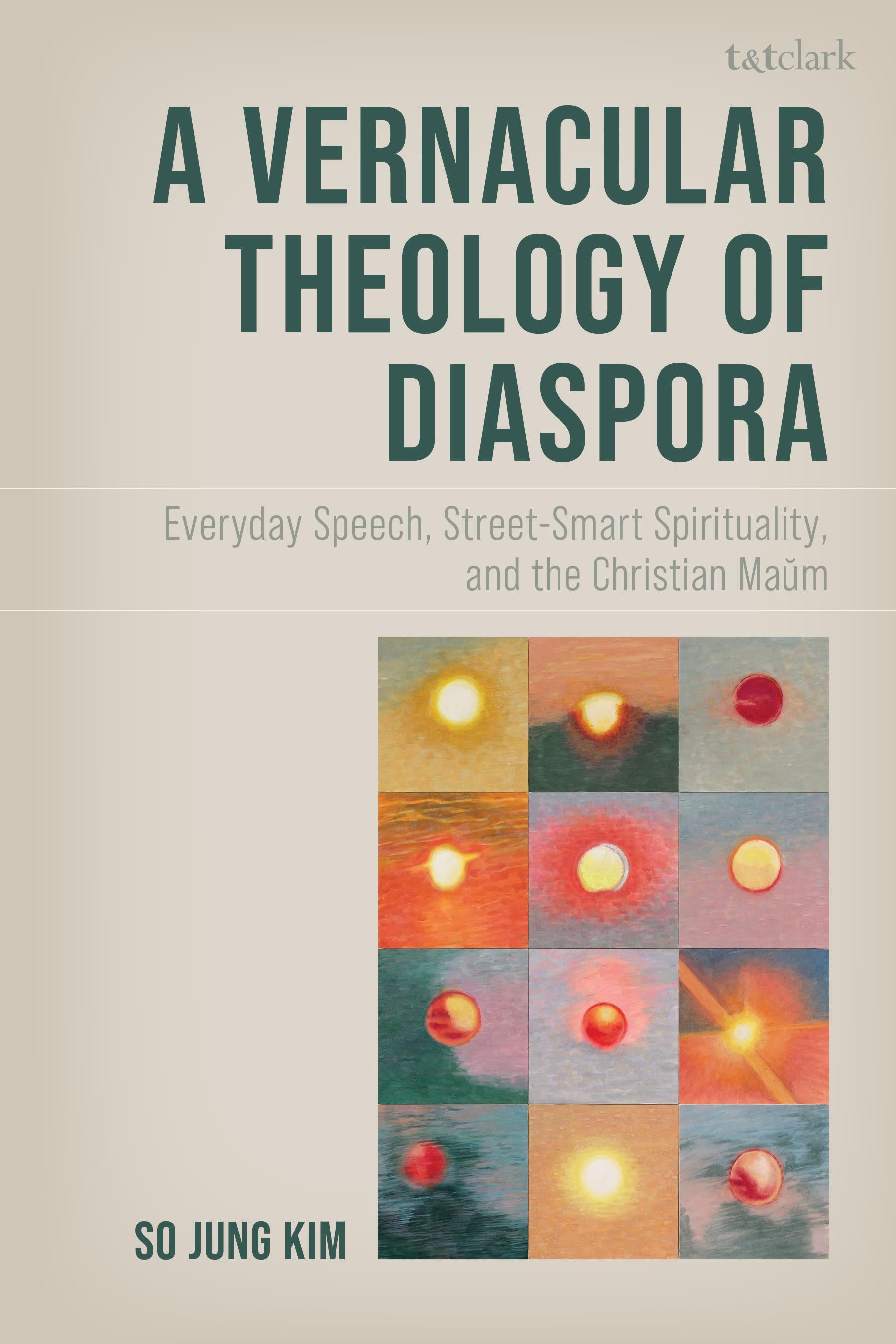
This book explores how language-in-use shapes the soul, identity, and spirituality of Asian American Christian women in diaspora, focusing on the theological and semiotic significance of language.
In employing an interdisciplinary framework cutting across Christian theology, linguistic anthropology, and feminist theory, the author suggests the concept of street-smart spirituality-a form of everyday mysticism embodied in vernacular speech acts. Focusing on the Korean term maum (heart–mind–soul), the book argues that everyday utterances, gestures, and vocal practices convey qualia-textured signs of internal experience-that articulate Christian subjectivity beyond institutional orders or dominant linguistic norms. Tracing the rhetorical tradition of sermo humilis and vernacularity from Augustine to Dante, and placing it in conversation with Marguerite Porete and Yi Suni, the book reveals how Christian vernaculars have functioned as vehicles of resistance, intimacy, and transformation. In grappling with the racialized demands of “standard” American English, this work affirms the power of fragile, diasporic, and accented speech as a site of divine encounter and theological agency. The book invites readers to rethink what makes language “Christian,” what renders a person “American enough,” and how voice becomes a sacred medium of becoming.
In employing an interdisciplinary framework cutting across Christian theology, linguistic anthropology, and feminist theory, the author suggests the concept of street-smart spirituality-a form of everyday mysticism embodied in vernacular speech acts. Focusing on the Korean term maum (heart–mind–soul), the book argues that everyday utterances, gestures, and vocal practices convey qualia-textured signs of internal experience-that articulate Christian subjectivity beyond institutional orders or dominant linguistic norms. Tracing the rhetorical tradition of sermo humilis and vernacularity from Augustine to Dante, and placing it in conversation with Marguerite Porete and Yi Suni, the book reveals how Christian vernaculars have functioned as vehicles of resistance, intimacy, and transformation. In grappling with the racialized demands of “standard” American English, this work affirms the power of fragile, diasporic, and accented speech as a site of divine encounter and theological agency. The book invites readers to rethink what makes language “Christian,” what renders a person “American enough,” and how voice becomes a sacred medium of becoming.
Maksa helposti kortilla, Klarnalla, Apple Paylla tai Google Paylla. Etkö ole tyytyväinen? Sinulla on aina 14 päivän palautusoikeus. Lue lisää ehdoistamme. Jos sinulla on kysyttävää, lähetä meille sähköpostia osoitteeseen hello@memmo.org.
Memmo tekee opiskelusta helpompaa – missä päin maailmaa ikinä oletkin. Meillä yhdistät kurssikirjat ja fiksut opiskelutyökalut yhteen paikkaan: tiivistelmät, visat, podcastit ja muistikortit. Ja sitten Ted, opiskelukaverisi, joka vastaa kaikkeen, mitä ikinä mietitkin. Yli 50 000 opiskelijaa opiskelee jo täällä – rakennettu auttamaan sinua oppimaan nopeammin ja stressaamaan vähemmän.