
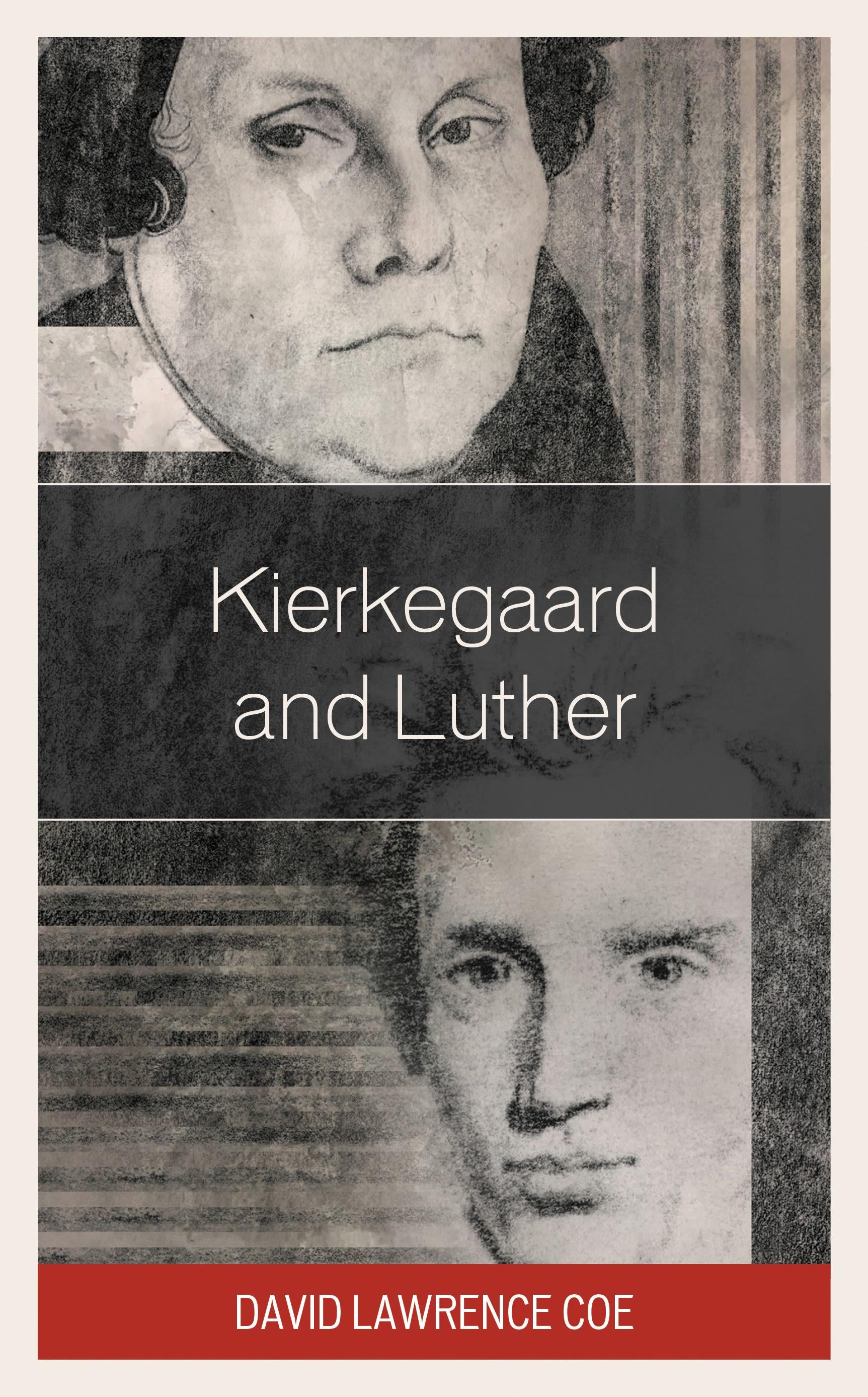
Søren Kierkegaard denounced nineteenth-century Danish Lutheranism for exploiting Martin Luther's doctrine of justification "without works" as justification for an antinomian easy life. Kierkegaard saw his own writing as a corrective: “I have wanted to prevent people in ‘Christendom’ from existentially taking in vain Luther and the significance of Luther's life.” In 1847, Kierkegaard began an eight-year reading of Luther’s sermons, forking through them for extracts to confirm his theological corrective rather than to comprehend the breadth of Luther’s thought. While he found much to laud, Kierkegaard also found much to lance, privately commenting that Luther was partially responsible for what he considered the problematic Lutheranism of his own day. Furthermore, David Coe argues, Kierkegaard was unaware that his copy of Luther's church and house postils was a heavily abridged edition of extracts from those postils. Therefore, his appraisal of Luther begs to be investigated. Kierkegaard and Luther examines the Luther sermons Kierkegaard read, what he praised and criticized, missed, and misjudged of Luther, and spotlights the concord these two Lutheran giants actually shared, namely, the negative yet necessary role that Christian suffering (Anfechtung/Anfægtelse) plays in Christian faith and life.
Maksa helposti kortilla, Klarnalla, Apple Paylla tai Google Paylla. Etkö ole tyytyväinen? Sinulla on aina 14 päivän palautusoikeus. Lue lisää ehdoistamme. Jos sinulla on kysyttävää, lähetä meille sähköpostia osoitteeseen hello@memmo.org.
Memmo tekee opiskelusta helpompaa – missä päin maailmaa ikinä oletkin. Meillä yhdistät kurssikirjat ja fiksut opiskelutyökalut yhteen paikkaan: tiivistelmät, visat, podcastit ja muistikortit. Ja sitten Ted, opiskelukaverisi, joka vastaa kaikkeen, mitä ikinä mietitkin. Yli 50 000 opiskelijaa opiskelee jo täällä – rakennettu auttamaan sinua oppimaan nopeammin ja stressaamaan vähemmän.