
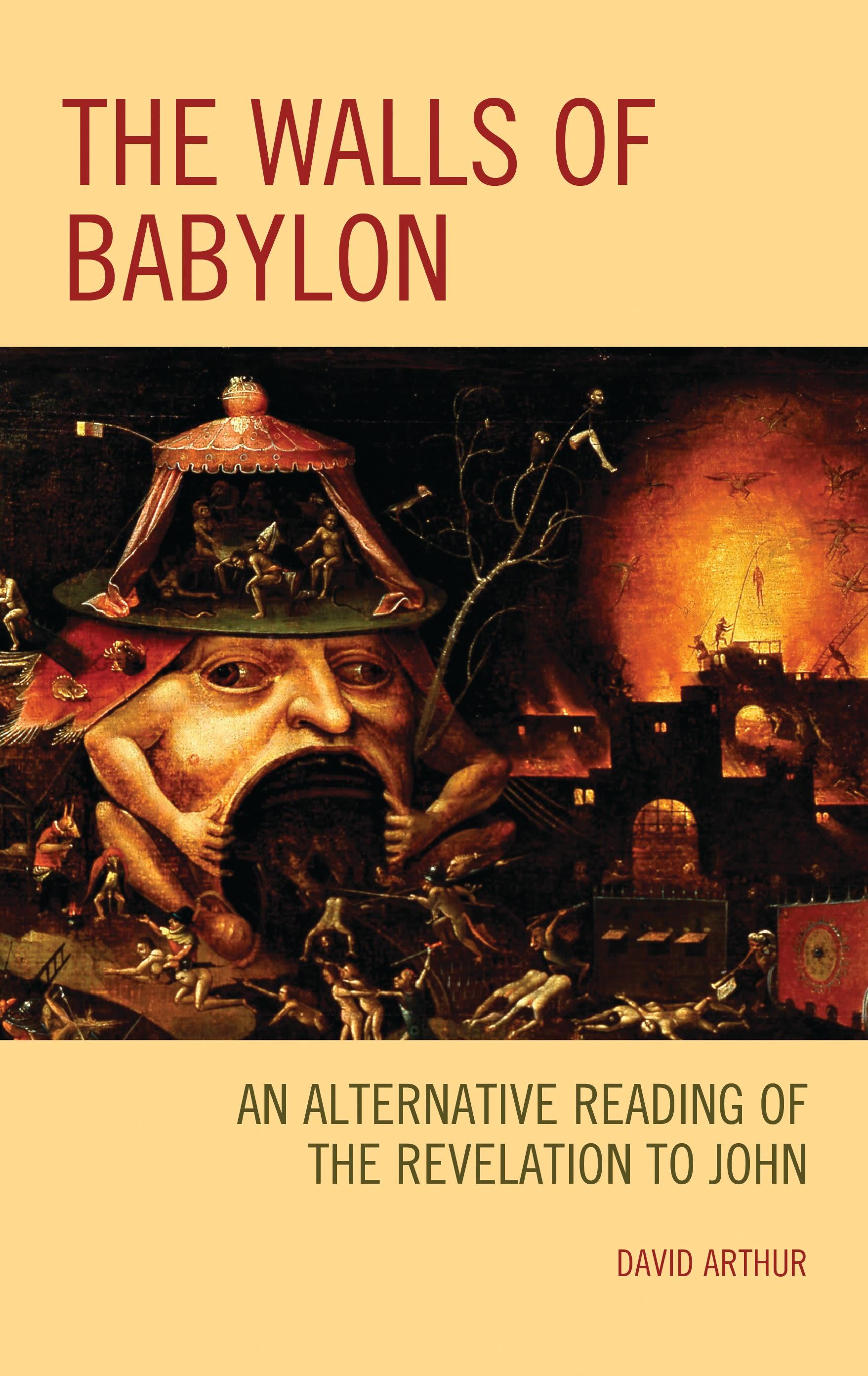
The Walls of Babylon is a radically revisionist reading of the Revelation to John, offering startling insights into the historical roots of Gnosticism, the social dynamics of early Christianity, and the shattering impact of apocalyptic eschatology. Based on a careful analysis of the text, David Arthur argues that the motivating circumstance for Revelation was provided not by external Roman oppression but by a fierce internal dispute between gnostic and proto-orthodox factions within the early church. In the ensuing controversy, John did not side with ecclesiastical officials, as might be expected, but instead took up the cause of the persecuted outcasts. Following the precedent of the classical prophets, he speaks as a champion for the downtrodden and dispossessed––represented, for him, by the gnostic heretics. The book he has left us presents a fiery symbolic rebuke of proto-orthodox Christianity, and by extension, challenges normative religious paradigms at every level of belief and praxis.
Maksa helposti kortilla, Klarnalla, Apple Paylla tai Google Paylla. Etkö ole tyytyväinen? Sinulla on aina 14 päivän palautusoikeus. Lue lisää ehdoistamme. Jos sinulla on kysyttävää, lähetä meille sähköpostia osoitteeseen hello@memmo.org.
Memmo tekee opiskelusta helpompaa – missä päin maailmaa ikinä oletkin. Meillä yhdistät kurssikirjat ja fiksut opiskelutyökalut yhteen paikkaan: tiivistelmät, visat, podcastit ja muistikortit. Ja sitten Ted, opiskelukaverisi, joka vastaa kaikkeen, mitä ikinä mietitkin. Yli 50 000 opiskelijaa opiskelee jo täällä – rakennettu auttamaan sinua oppimaan nopeammin ja stressaamaan vähemmän.