
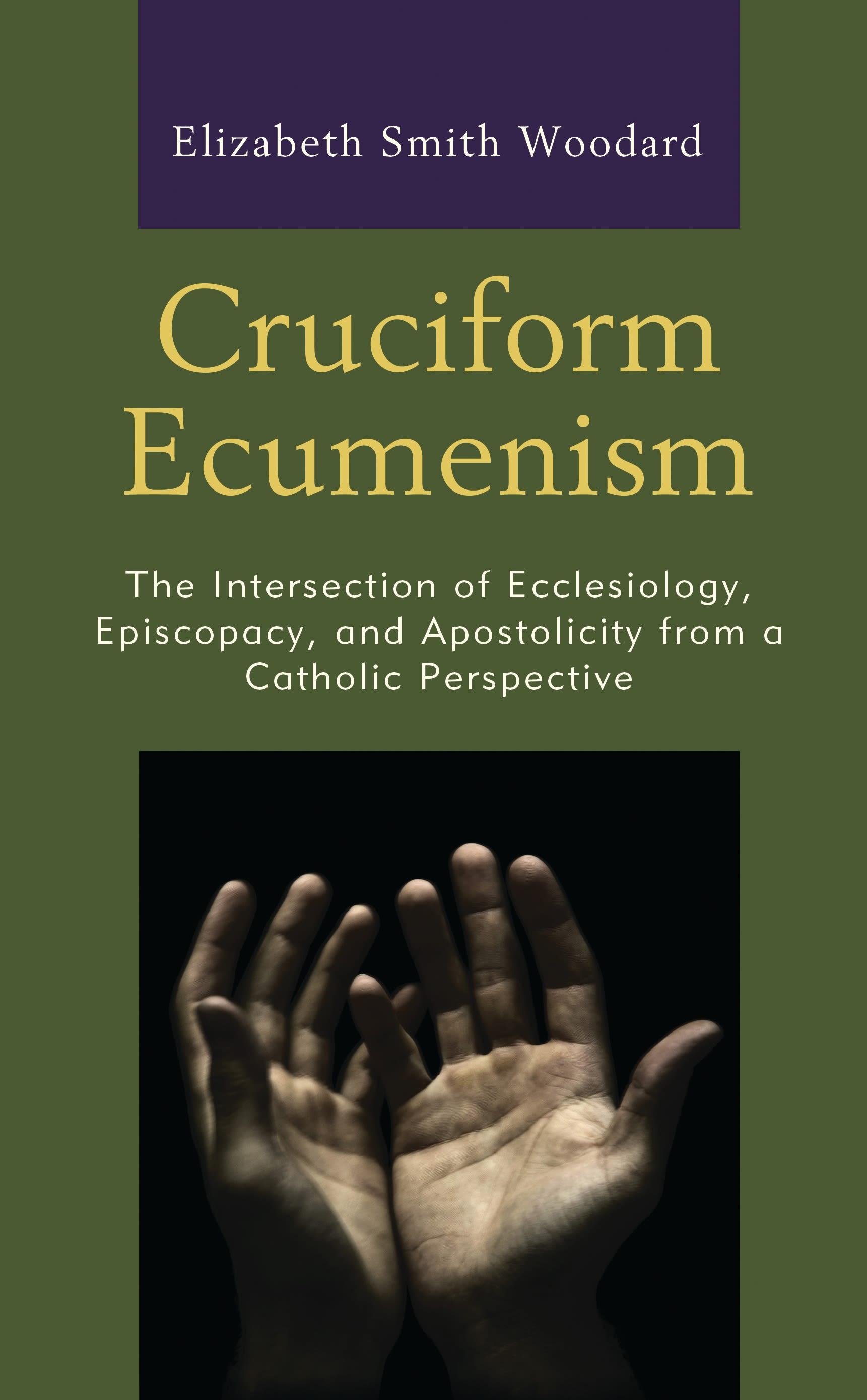
The truth claims of Christianity appear compromised by the division of Christ’s followers into different denominations. What keeps Christians separated, retreating to their corners labeled Catholic, Orthodox, and various types of Protestant? Elizabeth Smith Woodard accounts for Christian disunity in terms of ecclesiology, episcopacy, and apostolicity: in brief, Who are we? Who is in charge? And are we who we say we are? Woodard argues that the controversial issues dividing Christians today stem from these questions of authority and identity. What would it look like, Woodard asks, if Christians did not insist on making “others” more “like us,” but instead worked toward all of “us” becoming more and more like Christ? She answers that growing in such cruciformity should serve as the basis for unity. Using recent unity-achieving Anglican-Lutheran discussions as a case study, she examines the crucial intersection of ecclesiology, episcopacy, and apostolicity to argue that Christians’ growth in Christ’s mission necessarily entails growing in unity and cruciformity.
Maksa helposti kortilla, Klarnalla, Apple Paylla tai Google Paylla. Etkö ole tyytyväinen? Sinulla on aina 14 päivän palautusoikeus. Lue lisää ehdoistamme. Jos sinulla on kysyttävää, lähetä meille sähköpostia osoitteeseen hello@memmo.org.
Memmo tekee opiskelusta helpompaa – missä päin maailmaa ikinä oletkin. Meillä yhdistät kurssikirjat ja fiksut opiskelutyökalut yhteen paikkaan: tiivistelmät, visat, podcastit ja muistikortit. Ja sitten Ted, opiskelukaverisi, joka vastaa kaikkeen, mitä ikinä mietitkin. Yli 50 000 opiskelijaa opiskelee jo täällä – rakennettu auttamaan sinua oppimaan nopeammin ja stressaamaan vähemmän.