
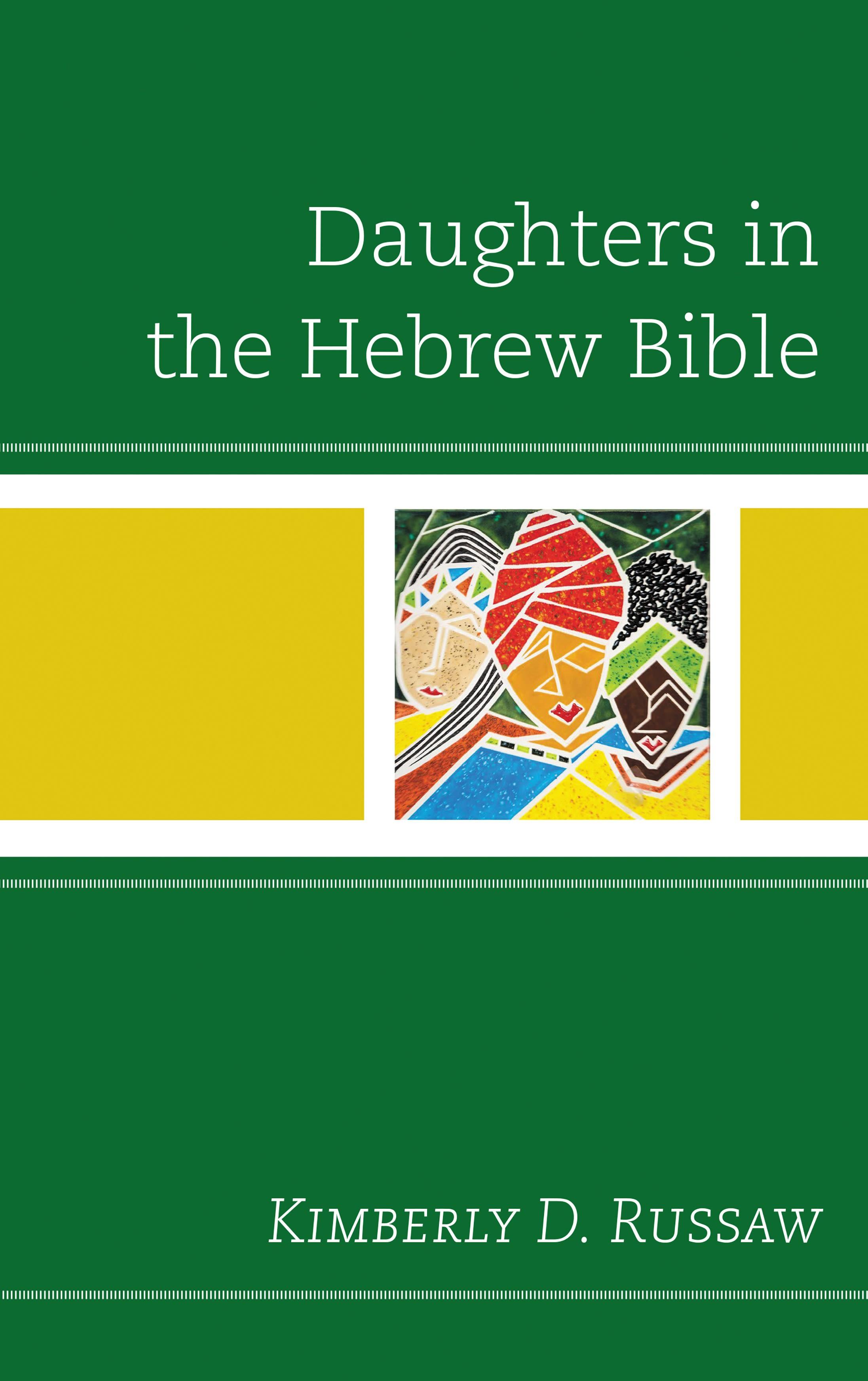
While the expectations and circumstances of women’s lives in ancient Israel have received considerable attention in recent scholarship, to date little attention has been focused on the role of daughters in Hebrew narrative??that is, of yet unmarried female members of the household, who are not yet mothers. Kimberly D. Russaw argues that daughters are more than foils for the males (fathers, brothers, etc.) in biblical narratives and that they often use particular tactics to navigate antagonistic systems of power in their worlds. Institutions and power structures favor the patriarch, sons inherit such privileges and benefits, and wives and mothers are ascribed special status because they ensure the patrilineal legacy by birthing sons; but daughters do not receive such social favor or standing. Instead of privileging daughters, systems and institutions control their bodies, restrict their access, and constrict their movement. Combining philological data, social-science models, and cross-cultural comparisons, Russaw examines the systems that constrict biblical daughters in their worlds and the strategies they employ when hostile social forces threaten their well-being.
Maksa helposti kortilla, Klarnalla, Apple Paylla tai Google Paylla. Etkö ole tyytyväinen? Sinulla on aina 14 päivän palautusoikeus. Lue lisää ehdoistamme. Jos sinulla on kysyttävää, lähetä meille sähköpostia osoitteeseen hello@memmo.org.
Memmo tekee opiskelusta helpompaa – missä päin maailmaa ikinä oletkin. Meillä yhdistät kurssikirjat ja fiksut opiskelutyökalut yhteen paikkaan: tiivistelmät, visat, podcastit ja muistikortit. Ja sitten Ted, opiskelukaverisi, joka vastaa kaikkeen, mitä ikinä mietitkin. Yli 50 000 opiskelijaa opiskelee jo täällä – rakennettu auttamaan sinua oppimaan nopeammin ja stressaamaan vähemmän.