
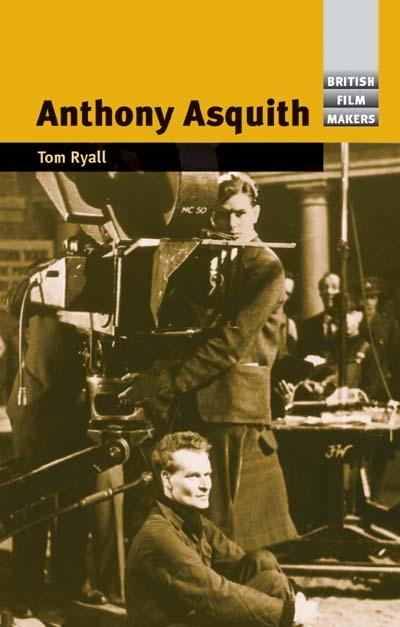
This is the first comprehensive critical study of Anthony Asquith. Ryall sets the director's work in the context of British cinema from the silent period to the 1960s, examining the artistic and cultural influences which shaped his films.
Asquith's silent films were compared favourably to those of his eminent contemporary Alfred Hitchcock, but his career faltered during the 1930s. However, the success of Pygmalion (1938) and French Without Tears (1939), based on plays by George Bernard Shaw and Terence Rattigan, together with his significant contributions to wartime British cinema, re-established him as a leading British film maker. Asquith's post-war career includes several pictures in collaboration with Terence Rattigan, and the definitive adaptation of Oscar Wilde's The Importance of Being Earnest (1951), but his versatility is demonstrated in a number of modest genre films including The Woman in Question (1950), The Young Lovers (1954) and Orders to Kill (1958).
Maksa helposti kortilla, Klarnalla, Apple Paylla tai Google Paylla. Etkö ole tyytyväinen? Sinulla on aina 14 päivän palautusoikeus. Lue lisää ehdoistamme. Jos sinulla on kysyttävää, lähetä meille sähköpostia osoitteeseen hello@memmo.org.
Memmo tekee opiskelusta helpompaa – missä päin maailmaa ikinä oletkin. Meillä yhdistät kurssikirjat ja fiksut opiskelutyökalut yhteen paikkaan: tiivistelmät, visat, podcastit ja muistikortit. Ja sitten Ted, opiskelukaverisi, joka vastaa kaikkeen, mitä ikinä mietitkin. Yli 50 000 opiskelijaa opiskelee jo täällä – rakennettu auttamaan sinua oppimaan nopeammin ja stressaamaan vähemmän.