
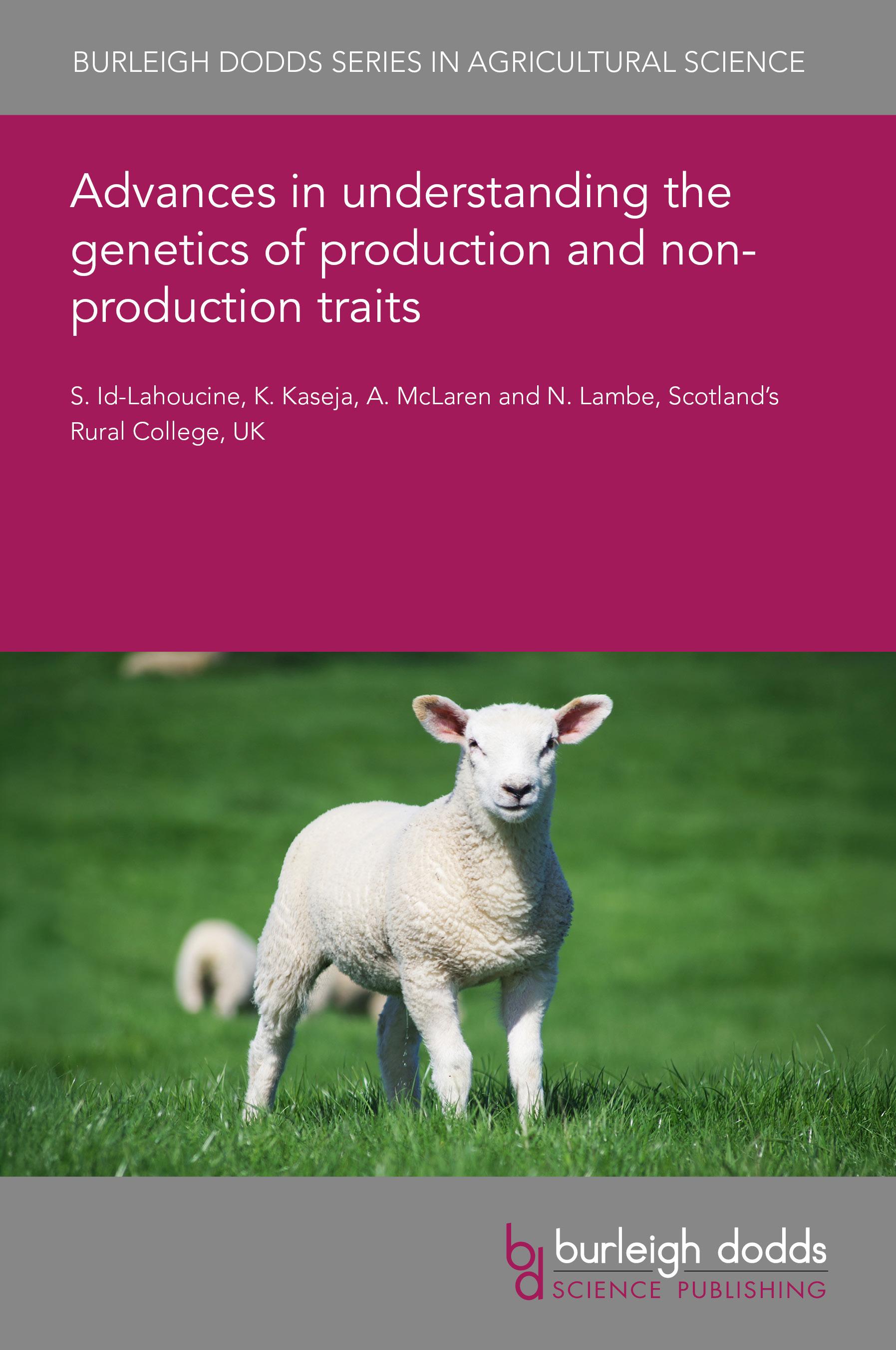
Sheep production plays an important role in supplying high-quality protein for human consumption and contributes significantly to the global economy. To ensure the sustainability and competitiveness of this sector, animal breeding stands as a vital pillar for continuous and cumulative improvements. Over recent decades, sheep breeding programs have undergone significant advancements and evolved to address current challenges in agriculture and food security. These developments, including genetic selection, advancements in genetic technologies, and a deeper understanding of the genetic architecture of both production and non-production traits, have played a vital role in sheep breeding programmes. They have enabled substantial genetic gains and contributed to the development of more productive, efficient, and resilient sheep breeds that can meet the evolving industry, social and market demands. This chapter provides a review of genetic aspects related to productive, reproductive, health, and emerging sustainability traits in sheep such as resilience, feed efficiency and methane emissions.
Maksa helposti kortilla, Klarnalla, Apple Paylla tai Google Paylla. Etkö ole tyytyväinen? Sinulla on aina 14 päivän palautusoikeus. Lue lisää ehdoistamme. Jos sinulla on kysyttävää, lähetä meille sähköpostia osoitteeseen hello@memmo.org.
Memmo tekee opiskelusta helpompaa – missä päin maailmaa ikinä oletkin. Meillä yhdistät kurssikirjat ja fiksut opiskelutyökalut yhteen paikkaan: tiivistelmät, visat, podcastit ja muistikortit. Ja sitten Ted, opiskelukaverisi, joka vastaa kaikkeen, mitä ikinä mietitkin. Yli 50 000 opiskelijaa opiskelee jo täällä – rakennettu auttamaan sinua oppimaan nopeammin ja stressaamaan vähemmän.