
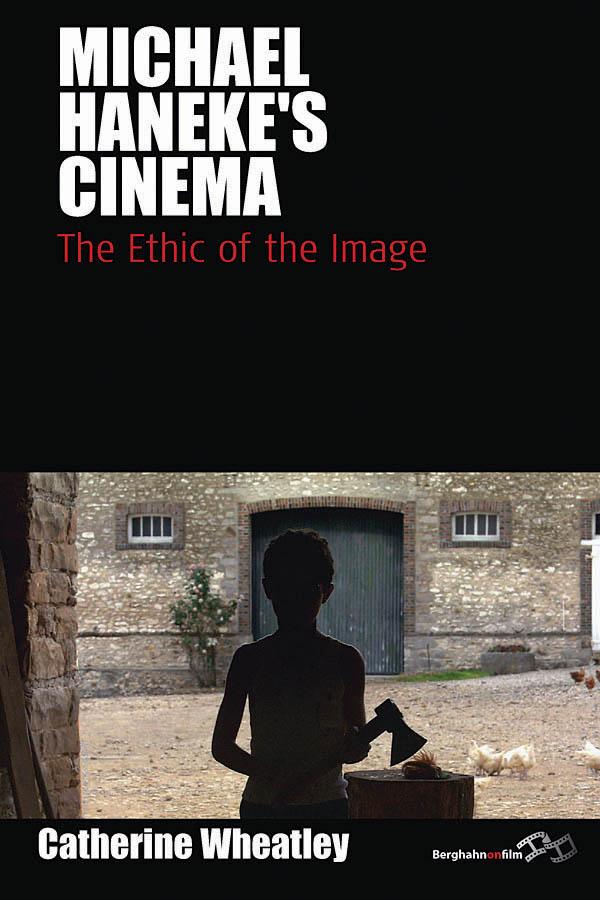
Existing critical traditions fail to fully account for the impact of Austrian director, and 2009 Cannes Palm d'Or winner, Michael Haneke’s films, situated as they are between intellectual projects and popular entertainments. In this first English-language introduction to, and critical analysis of, his work, each of Haneke’s eight feature films are considered in detail. Particular attention is given to what the author terms Michael Haneke’s ‘ethical cinema’ and the unique impact of these films upon their audiences.
Drawing on the moral philosophy of Immanuel Kant and Stanley Cavell, Catherine Wheatley, introduces a new way of marrying film and moral philosophy, which explicitly examines the ethics of the film viewing experience. Haneke’s films offer the viewer great freedom whilst simultaneously imposing a considerable burden of responsibility. How Haneke achieves this break with more conventional spectatorship models, and what its far-reaching implications are for film theory in general, constitute the principal subject of this book.
Maksa helposti kortilla, Klarnalla, Apple Paylla tai Google Paylla. Etkö ole tyytyväinen? Sinulla on aina 14 päivän palautusoikeus. Lue lisää ehdoistamme. Jos sinulla on kysyttävää, lähetä meille sähköpostia osoitteeseen hello@memmo.org.
Memmo tekee opiskelusta helpompaa – missä päin maailmaa ikinä oletkin. Meillä yhdistät kurssikirjat ja fiksut opiskelutyökalut yhteen paikkaan: tiivistelmät, visat, podcastit ja muistikortit. Ja sitten Ted, opiskelukaverisi, joka vastaa kaikkeen, mitä ikinä mietitkin. Yli 50 000 opiskelijaa opiskelee jo täällä – rakennettu auttamaan sinua oppimaan nopeammin ja stressaamaan vähemmän.