
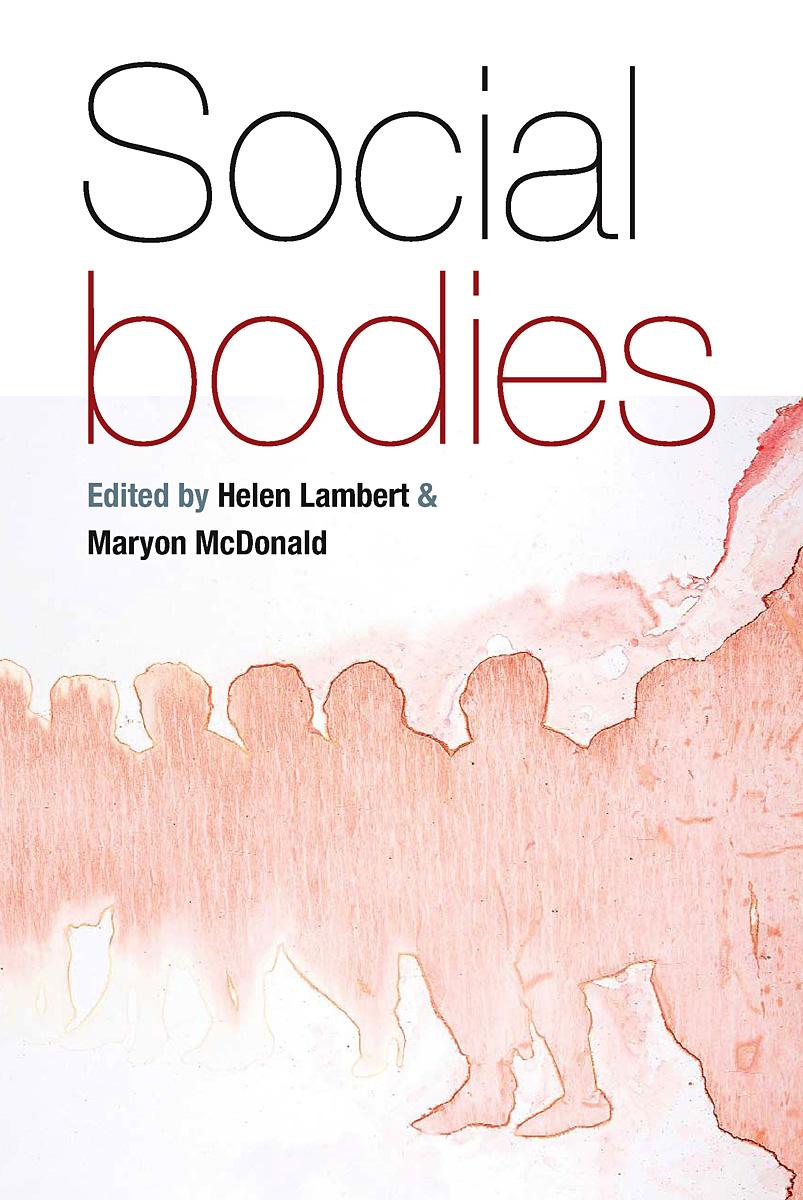
A proliferation of press headlines, social science texts and “ethical” concerns about the social implications of recent developments in human genetics and biomedicine have created a sense that, at least in European and American contexts, both the way we treat the human body and our attitudes towards it have changed.
This volume asks what really happens to social relations in the face of new types of transaction – such as organ donation, forensic identification and other new medical and reproductive technologies - that involve the use of corporeal material. Drawing on comparative insights into how human biological material is treated, it aims to consider how far human bodies and their components are themselves inherently “social.”
The case studies – ranging from animal-human transformations in Amazonia to forensic reconstruction in post-conflict Serbia and the treatment of Native American specimens in English museums – all underline that, without social relations, there are no bodies but only “human remains.” The volume gives us new and striking ethnographic insights into bodies as sociality, as well as a potentially powerful analytical reconsideration of notions of embodiment. It makes a novel contribution, too, to “science and society” debates.
Maksa helposti kortilla, Klarnalla, Apple Paylla tai Google Paylla. Etkö ole tyytyväinen? Sinulla on aina 14 päivän palautusoikeus. Lue lisää ehdoistamme. Jos sinulla on kysyttävää, lähetä meille sähköpostia osoitteeseen hello@memmo.org.
Memmo tekee opiskelusta helpompaa – missä päin maailmaa ikinä oletkin. Meillä yhdistät kurssikirjat ja fiksut opiskelutyökalut yhteen paikkaan: tiivistelmät, visat, podcastit ja muistikortit. Ja sitten Ted, opiskelukaverisi, joka vastaa kaikkeen, mitä ikinä mietitkin. Yli 50 000 opiskelijaa opiskelee jo täällä – rakennettu auttamaan sinua oppimaan nopeammin ja stressaamaan vähemmän.