
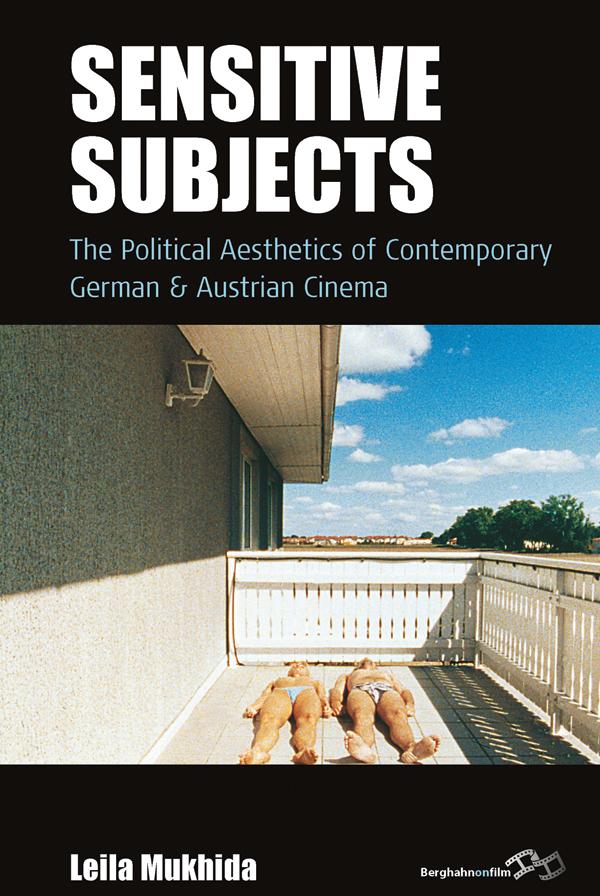
Both politically and aesthetically, the contemporary German and Austrian film landscape is a far cry from the early days of the medium, when critics like Siegfried Kracauer produced foundational works of film theory amid the tumult of the early twentieth century. Yet, as Leila Mukhida demonstrates in this innovative study, the writings of figures like Kracauer and Walter Benjamin in fact remain an undervalued tool for understanding political cinema today. Through illuminating explorations of Michael Haneke, Valeska Grisebach, Andreas Dresen, and other filmmakers of the post-reunification era, Mukhida develops an analysis centered on film aesthetics and experience, showing how medium-specific devices like lighting, sound, and mise-en-scène can help to cultivate political sensitivity in spectators.
Maksa helposti kortilla, Klarnalla, Apple Paylla tai Google Paylla. Etkö ole tyytyväinen? Sinulla on aina 14 päivän palautusoikeus. Lue lisää ehdoistamme. Jos sinulla on kysyttävää, lähetä meille sähköpostia osoitteeseen hello@memmo.org.
Memmo tekee opiskelusta helpompaa – missä päin maailmaa ikinä oletkin. Meillä yhdistät kurssikirjat ja fiksut opiskelutyökalut yhteen paikkaan: tiivistelmät, visat, podcastit ja muistikortit. Ja sitten Ted, opiskelukaverisi, joka vastaa kaikkeen, mitä ikinä mietitkin. Yli 50 000 opiskelijaa opiskelee jo täällä – rakennettu auttamaan sinua oppimaan nopeammin ja stressaamaan vähemmän.