
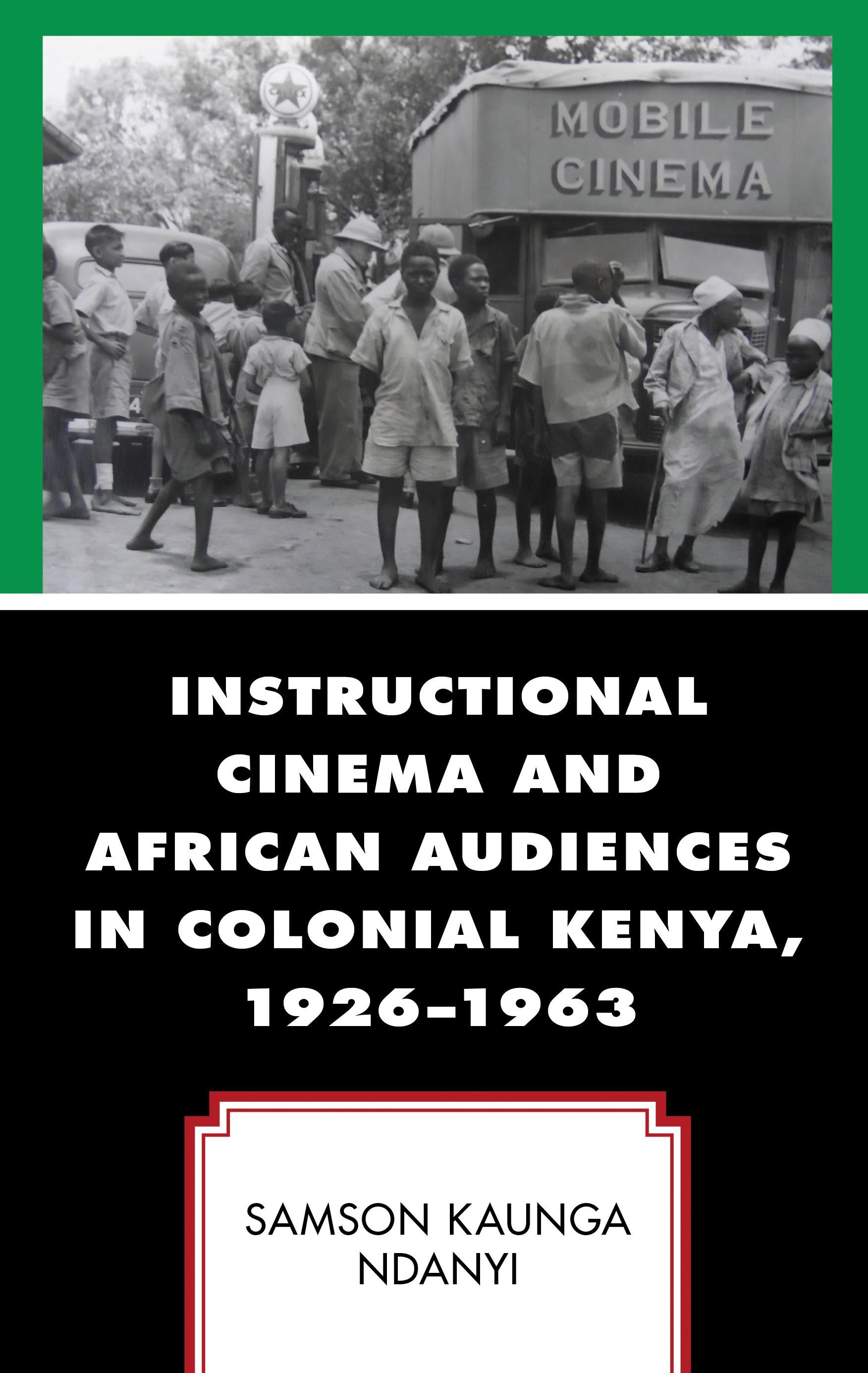
In Instructional Cinema and African Audiences in Colonial Kenya, 1926–1963, the author argues against the colonial logic instigating that films made for African audiences in Kenya influenced them to embrace certain elements of western civilization but Africans had nothing to offer in return. The author frames this logic as unidirectional approach purporting that Africans were passive recipients of colonial programs. Contrary to this understanding, the author insists that African viewers were active participants in the discourse of cinema in Kenya. Employing unorthodox means to protest mediocre films devoid of basic elements of film production, African spectators forced the colonial government to reconsider the way it produced films. The author frames the reconsideration as bidirectional approach. Instructional cinema first emerged as a tool to “educate” and “modernize” Africans, but it transformed into a contestable space of cultural and political power, a space that both sides appropriated to negotiate power and actualize their abstract ideas.
Maksa helposti kortilla, Klarnalla, Apple Paylla tai Google Paylla. Etkö ole tyytyväinen? Sinulla on aina 14 päivän palautusoikeus. Lue lisää ehdoistamme. Jos sinulla on kysyttävää, lähetä meille sähköpostia osoitteeseen hello@memmo.org.
Memmo tekee opiskelusta helpompaa – missä päin maailmaa ikinä oletkin. Meillä yhdistät kurssikirjat ja fiksut opiskelutyökalut yhteen paikkaan: tiivistelmät, visat, podcastit ja muistikortit. Ja sitten Ted, opiskelukaverisi, joka vastaa kaikkeen, mitä ikinä mietitkin. Yli 50 000 opiskelijaa opiskelee jo täällä – rakennettu auttamaan sinua oppimaan nopeammin ja stressaamaan vähemmän.