
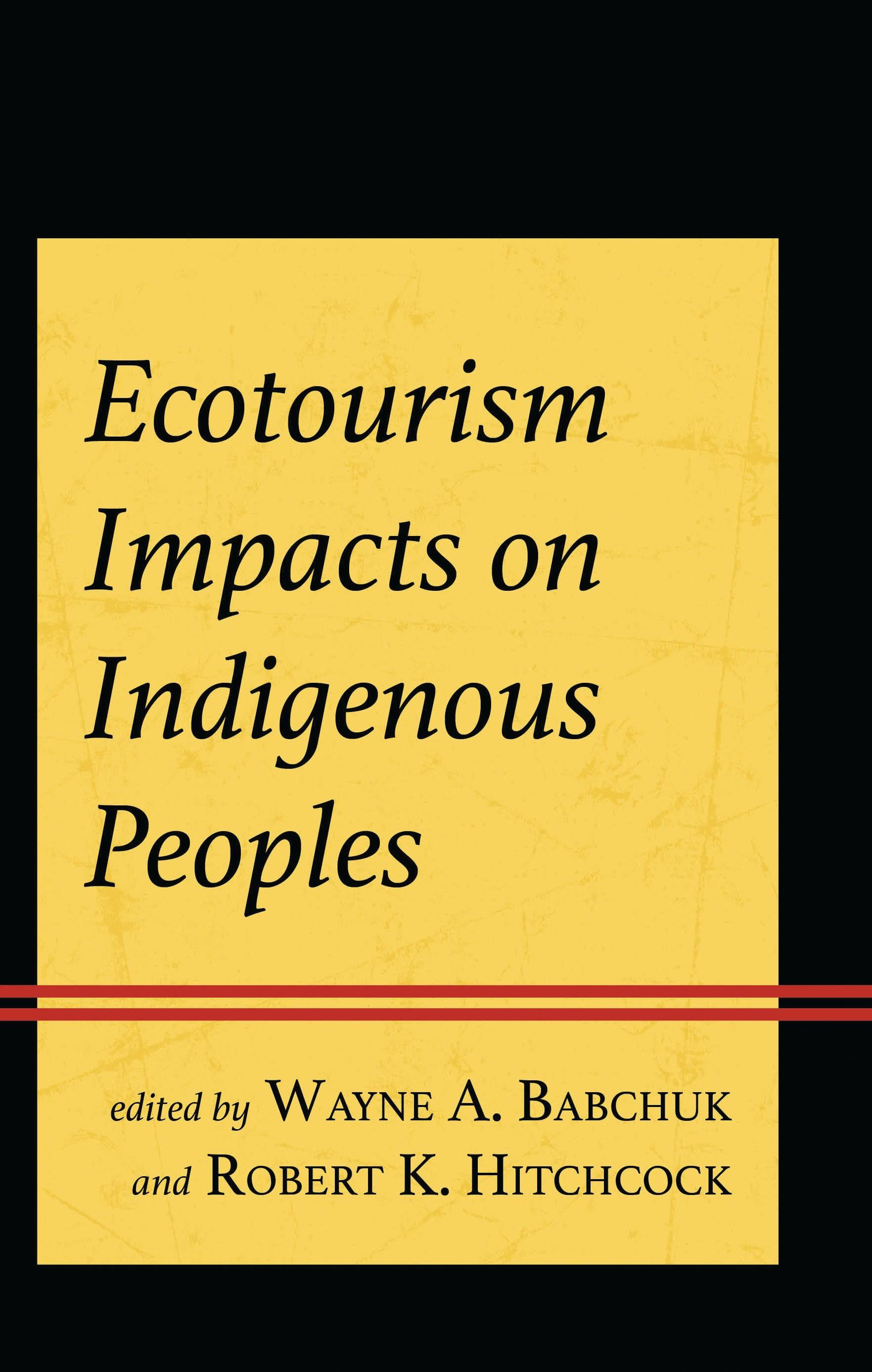
Ecotourism Impacts on Indigenous Peoples
Tekijä: Robert K. Hitchcock, Megan Biesele, Wayne A. Babchuk, F. Sonia Arellano-Lopez, Roderick Taufan Jan Buiskool, Vidal Gonzales, Melinda C. Kelly, Stasja Koot, Sachiko Kubota, R. Fleming Puckett, Fredy Rodriguez-Mejia, Wiveca A-C. Stegeborn
Kustantaja: Bloomsbury Publishing
Painos: 1
Julkaisuvuosi: 2024
ISBN: 9781793643841
Choice 2025 Outstanding Academic Title
Ecotourism, defined as responsible travel to natural areas that conserves the environment and improves the well-being of local people, has become one of the fastest growing industries in the world. The impacts of ecotourism on people in virtually every part of the planet are particularly true for Indigenous people. Indigenous people are found in over half of the world's countries and their cultures, customs, traditions, identities, and natural resource management systems are of great interest to scientists, tourists, and travelers. Many Indigenous peoples reside in conservation hotspots and places with high biological biodiversity. As shown in this book, ecotourism has both promises and pitfalls for Indigenous peoples, who seek to enhance their livelihoods while conserving the habitats in which they reside and the sacredness of their traditions. Drawing on cases from South America, North America, Africa, and Asia, Ecotourism Impacts on Indigenous Peoples examines the social, economic, political, and environmental impacts of ecotourism. A common plea of Indigenous people is that they have greater control over incoming ecotourists and receive more equitable social, economic, and cultural benefits from what they recognize as a highly complex industry with significant environmental, economic, and political effects.
Ecotourism, defined as responsible travel to natural areas that conserves the environment and improves the well-being of local people, has become one of the fastest growing industries in the world. The impacts of ecotourism on people in virtually every part of the planet are particularly true for Indigenous people. Indigenous people are found in over half of the world's countries and their cultures, customs, traditions, identities, and natural resource management systems are of great interest to scientists, tourists, and travelers. Many Indigenous peoples reside in conservation hotspots and places with high biological biodiversity. As shown in this book, ecotourism has both promises and pitfalls for Indigenous peoples, who seek to enhance their livelihoods while conserving the habitats in which they reside and the sacredness of their traditions. Drawing on cases from South America, North America, Africa, and Asia, Ecotourism Impacts on Indigenous Peoples examines the social, economic, political, and environmental impacts of ecotourism. A common plea of Indigenous people is that they have greater control over incoming ecotourists and receive more equitable social, economic, and cultural benefits from what they recognize as a highly complex industry with significant environmental, economic, and political effects.
Sivuja: 282
Kategoria: Samhällsvetenskap
e-ISBN: 9781793643858
Lähetyspaino: 1.2 kg
Toimitusaika: 1-2 päivää
Maksa helposti kortilla, Klarnalla, Apple Paylla tai Google Paylla. Etkö ole tyytyväinen? Sinulla on aina 14 päivän palautusoikeus. Lue lisää ehdoistamme. Jos sinulla on kysyttävää, lähetä meille sähköpostia osoitteeseen hello@memmo.org.
Memmo tekee opiskelusta helpompaa – missä päin maailmaa ikinä oletkin. Meillä yhdistät kurssikirjat ja fiksut opiskelutyökalut yhteen paikkaan: tiivistelmät, visat, podcastit ja muistikortit. Ja sitten Ted, opiskelukaverisi, joka vastaa kaikkeen, mitä ikinä mietitkin. Yli 50 000 opiskelijaa opiskelee jo täällä – rakennettu auttamaan sinua oppimaan nopeammin ja stressaamaan vähemmän.