
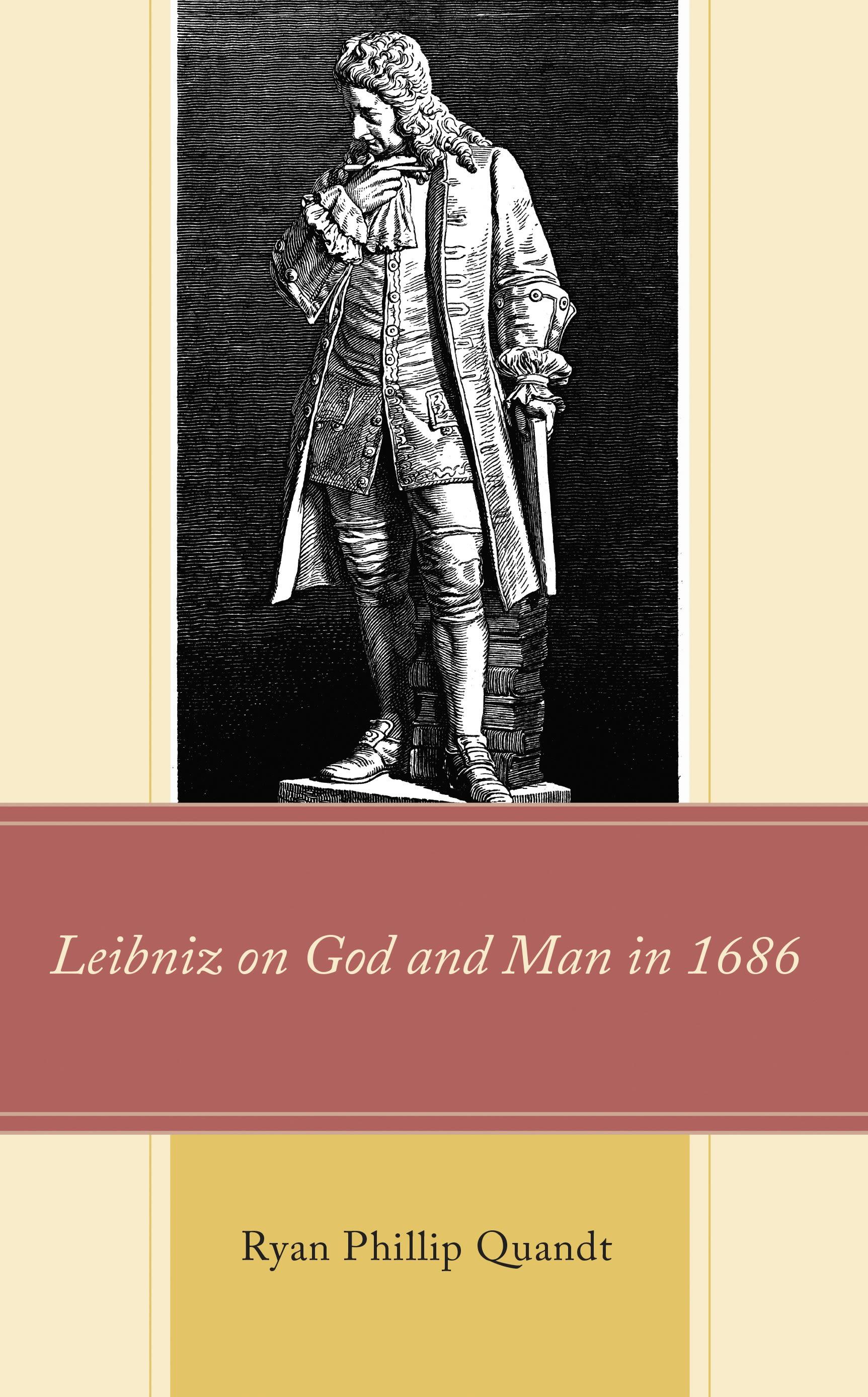
G. W. Leibniz’s Discourse on Metaphysics is viewed by many scholars as a milestone of his mature thought—his first attempt to systematize various stances. A lengthier, theological work, Examination of the Christian Religion, written a few months after, receives less press. While Leibniz’s intent for writing the theological piece may be left for speculation, Leibniz on God and Man in 1686 demonstrates that there is clear overlap between these two texts. Leibniz borrows from the metaphysics and physics of Discourse in his theology, and he writes that his metaphysical tract addresses “questions on grace, God’s concourse with creatures, the nature of miracles, the cause of sin and the origin of evil, the immortality of the soul, ideas, etc.” Despite challenges for drawing them close, Ryan Phillip Quandt argues that these texts converge in the moral quality of God and man that Leibniz took as the cornerstone of his system in 1686. Discourse coheres in a moral and scientific vision, while Examination centers on moral commitments. Love of God is their shared ideal.
Maksa helposti kortilla, Klarnalla, Apple Paylla tai Google Paylla. Etkö ole tyytyväinen? Sinulla on aina 14 päivän palautusoikeus. Lue lisää ehdoistamme. Jos sinulla on kysyttävää, lähetä meille sähköpostia osoitteeseen hello@memmo.org.
Memmo tekee opiskelusta helpompaa – missä päin maailmaa ikinä oletkin. Meillä yhdistät kurssikirjat ja fiksut opiskelutyökalut yhteen paikkaan: tiivistelmät, visat, podcastit ja muistikortit. Ja sitten Ted, opiskelukaverisi, joka vastaa kaikkeen, mitä ikinä mietitkin. Yli 50 000 opiskelijaa opiskelee jo täällä – rakennettu auttamaan sinua oppimaan nopeammin ja stressaamaan vähemmän.