
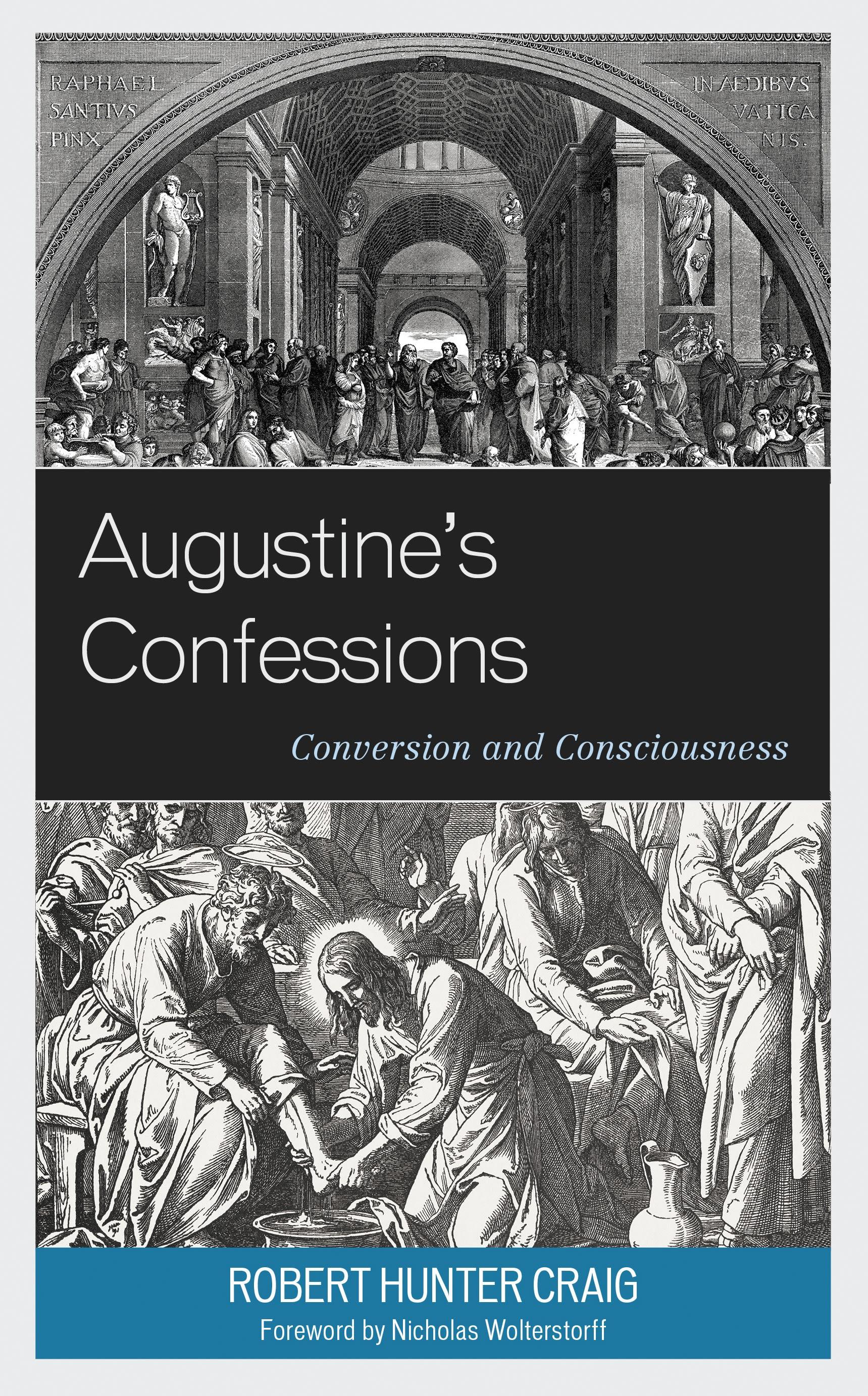
Augustine's Confessions: Conversion and Consciousness argues two original positions concerning the structure and meaning of the Confessions by Augustine. The structure is found to be a tool used by Augustine in his earlier pre-Confessions writings in which he uses the Allegory of the Cave in book VII of the Republic by Plato to both describe human consciousness and as a structural framework for his own life story. As with Plato's allegory, Augustine then uses Books X-XIII to do, what the author calls, "Scriptural Philosophical" analysis of the allegorical prayer previously given. The author shows that the Confessions is really an allegorical quasi-prayer that shows Augustine's state of mind or disposition through space/time—and at the same time uses different personas, schools of thought and metaphysical constructs to show the inadequacy of Plato's consciousness model of the cave to truly describe human ratiocination within consciousness in its totality—Synchronic-Synthetic-Triplex (SST) or body, mind, God-Will substance. Instead, Augustine demonstrates the superiority of the Christian conversion to that of the Platonic as described both by Platonic books and the books of the Platonists. The Christian conversion is based on the incarnate Wisdom of Christ Jesus within the Cave/World.
Maksa helposti kortilla, Klarnalla, Apple Paylla tai Google Paylla. Etkö ole tyytyväinen? Sinulla on aina 14 päivän palautusoikeus. Lue lisää ehdoistamme. Jos sinulla on kysyttävää, lähetä meille sähköpostia osoitteeseen hello@memmo.org.
Memmo tekee opiskelusta helpompaa – missä päin maailmaa ikinä oletkin. Meillä yhdistät kurssikirjat ja fiksut opiskelutyökalut yhteen paikkaan: tiivistelmät, visat, podcastit ja muistikortit. Ja sitten Ted, opiskelukaverisi, joka vastaa kaikkeen, mitä ikinä mietitkin. Yli 50 000 opiskelijaa opiskelee jo täällä – rakennettu auttamaan sinua oppimaan nopeammin ja stressaamaan vähemmän.