
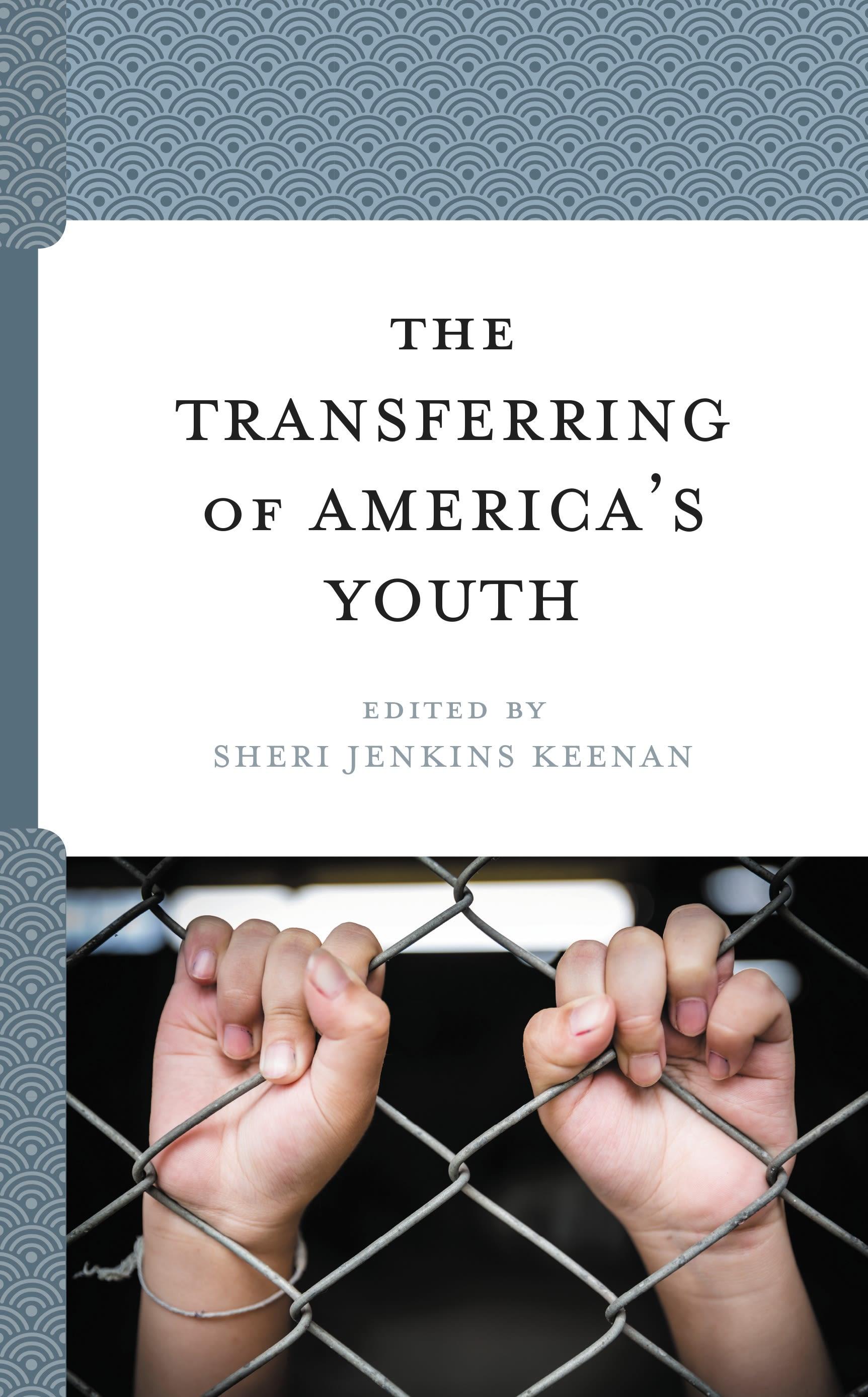
A separate juvenile justice system was established in the United States in 1899 with a goal of diverting juvenile offenders from the harsh punishments of the adult criminal court, and encouraging rehabilitation based on the individual needs of the offender. This new juvenile court was set up as a civil or chancery court with informal proceedings and discretion left to the juvenile court judge. Furthermore, juvenile court proceedings were closed to the public and juvenile records were to remain confidential.
However, as the decades progressed juveniles became increasingly involved in more serious crimes. This generated a growing fear among lawmakers, educators, and the public which resulted in a number of “get tough” policies and strategies. By the 1990s the most popular approach in dealing with violent juvenile crime was for states to make it easier or to require the prosecution of juveniles as adults in criminal court.
Research demonstrates that such policies may be counter-productive, increase rather than decrease recidivism, and cause harm to offenders, their families, and the community. This volume provides a comprehensive historical review of knowledge surrounding the transfer of American’s youth from the rehabilitative, individualized treatment of the juvenile justice system to the adult criminal justice system.
However, as the decades progressed juveniles became increasingly involved in more serious crimes. This generated a growing fear among lawmakers, educators, and the public which resulted in a number of “get tough” policies and strategies. By the 1990s the most popular approach in dealing with violent juvenile crime was for states to make it easier or to require the prosecution of juveniles as adults in criminal court.
Research demonstrates that such policies may be counter-productive, increase rather than decrease recidivism, and cause harm to offenders, their families, and the community. This volume provides a comprehensive historical review of knowledge surrounding the transfer of American’s youth from the rehabilitative, individualized treatment of the juvenile justice system to the adult criminal justice system.
Maksa helposti kortilla, Klarnalla, Apple Paylla tai Google Paylla. Etkö ole tyytyväinen? Sinulla on aina 14 päivän palautusoikeus. Lue lisää ehdoistamme. Jos sinulla on kysyttävää, lähetä meille sähköpostia osoitteeseen hello@memmo.org.
Memmo tekee opiskelusta helpompaa – missä päin maailmaa ikinä oletkin. Meillä yhdistät kurssikirjat ja fiksut opiskelutyökalut yhteen paikkaan: tiivistelmät, visat, podcastit ja muistikortit. Ja sitten Ted, opiskelukaverisi, joka vastaa kaikkeen, mitä ikinä mietitkin. Yli 50 000 opiskelijaa opiskelee jo täällä – rakennettu auttamaan sinua oppimaan nopeammin ja stressaamaan vähemmän.