
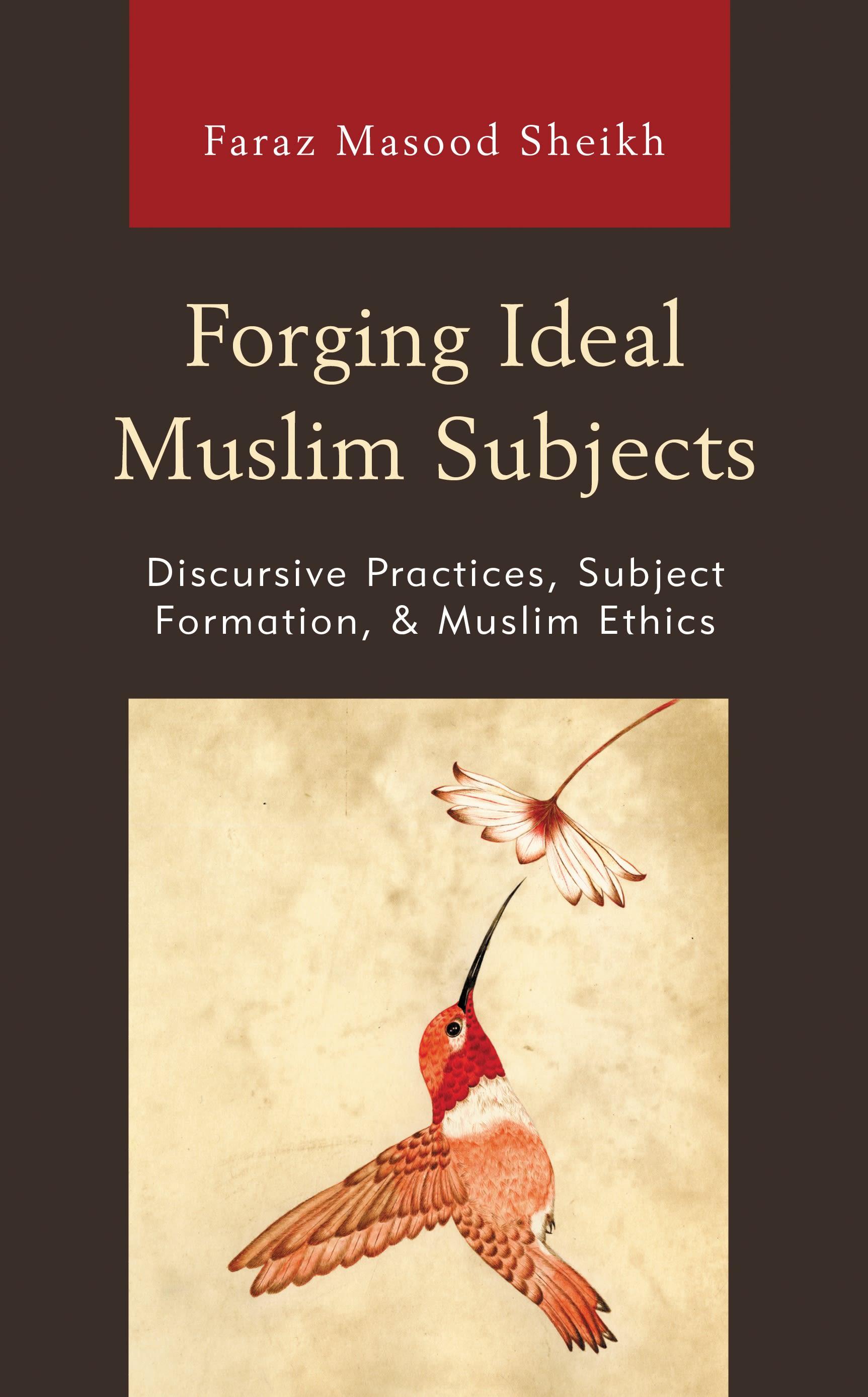
What forms can a religiously informed, ethical Muslim life take? This book presents two important accounts of ideal Muslim subjectivity, one by 9th century moral pedagogue, al-Harith al-Muhasibi (d. 857) and the other by 20th century Kurdish Quran scholar, Said Nursi (d. 1960). It reconstructs Muhasibi’s and Nursi’s accounts of ideal Muslim consciousness and analyzes the discursive practices implicated in its formation and expression. The book discusses the range of psychic states and ethical relations that Muhasibi and Nursi consider critical for living an authentically Muslim life. It highlights the importance of discursive practices in Muslim religious and moral self-production. The author draws on Foucault's insights about ethics and practices of self-care to examine familiar Muslim discourses in ways that enrich contemporary conversations about identity, individuality, community, authority, moral agency and virtue in the fields of religious studies, Islamic studies and Muslim ethics. The book deepens our understanding of the fluidity and fragility of both the more familiar, obligation-centered ethics in Islamic thought and the less familiar, belief-centered modes of religio-moral being.
Sivuja: 198
Kategoria: Religion & Teologi
e-ISBN: 9781793620132
Lähetyspaino: 1.2 kg
Toimitusaika: 1-2 päivää
Maksa helposti kortilla, Klarnalla, Apple Paylla tai Google Paylla. Etkö ole tyytyväinen? Sinulla on aina 14 päivän palautusoikeus. Lue lisää ehdoistamme. Jos sinulla on kysyttävää, lähetä meille sähköpostia osoitteeseen hello@memmo.org.
Memmo tekee opiskelusta helpompaa – missä päin maailmaa ikinä oletkin. Meillä yhdistät kurssikirjat ja fiksut opiskelutyökalut yhteen paikkaan: tiivistelmät, visat, podcastit ja muistikortit. Ja sitten Ted, opiskelukaverisi, joka vastaa kaikkeen, mitä ikinä mietitkin. Yli 50 000 opiskelijaa opiskelee jo täällä – rakennettu auttamaan sinua oppimaan nopeammin ja stressaamaan vähemmän.