
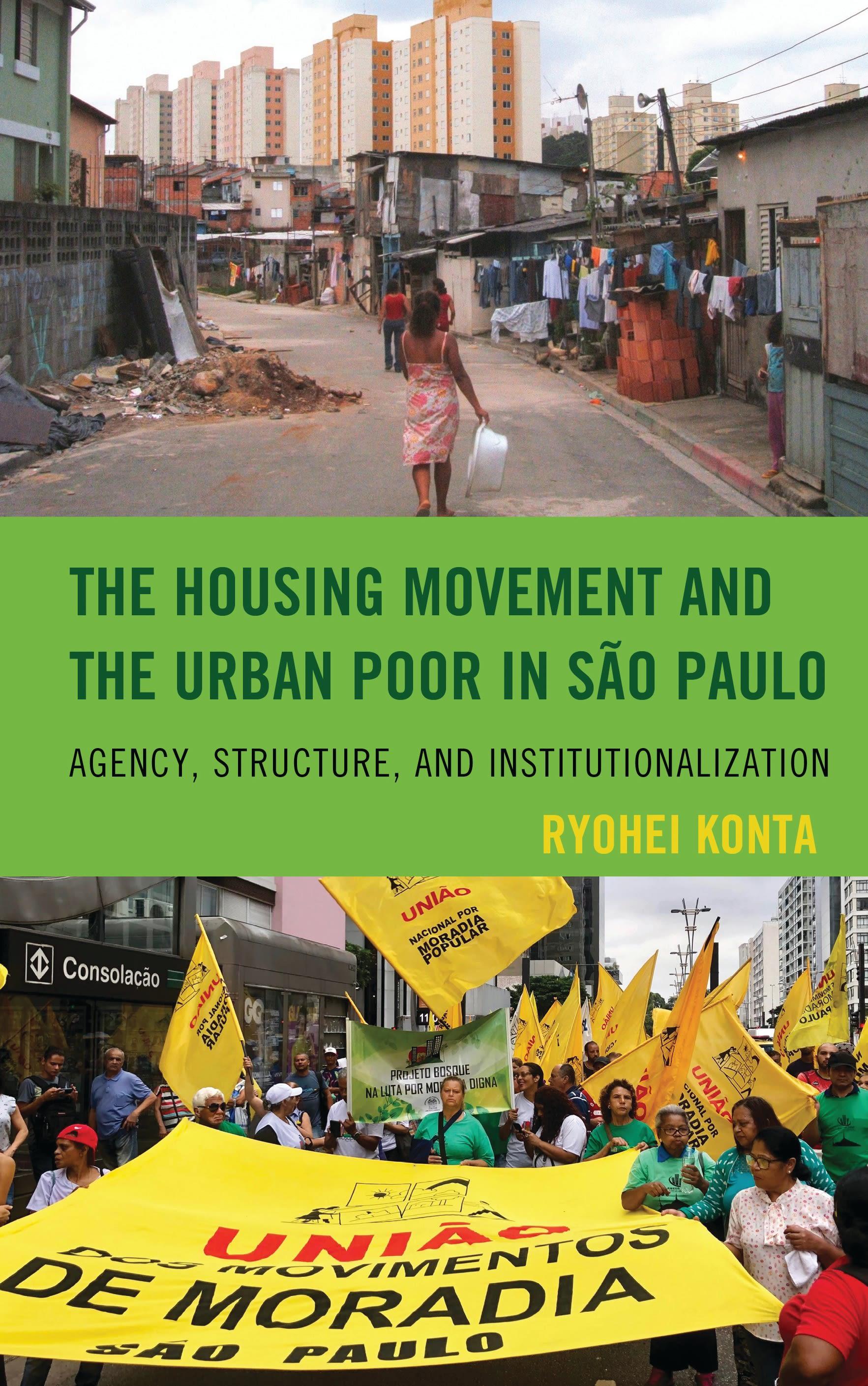
This book explores the ways in which the urban poor population of Brazil participates in social movements. This study focuses on their agency, analyzing the interactive relationship between the urban poor in collective actions and the structural change represented by the participatory administration, which primarily saw implementation and institutionalization in Brazil at the beginning of the 21st century. Ryohei Konta argues that, as the structure of the participatory administration is more actively implemented and institutionalized, social movements will benefit from increased political opportunities. This result encourages the urban poor to participate in social movements as a means to realize their interests. Participation in social movements also stimulates their action with intention and capability (agency), which collectively interacts with the structure of increased opportunities (participatory administration), leading to self-fulfillment and more frequent participation in social movements. Scholars of sociology, Latin American studies, economics, social movements, and urban development will find this book particularly useful.
Maksa helposti kortilla, Klarnalla, Apple Paylla tai Google Paylla. Etkö ole tyytyväinen? Sinulla on aina 14 päivän palautusoikeus. Lue lisää ehdoistamme. Jos sinulla on kysyttävää, lähetä meille sähköpostia osoitteeseen hello@memmo.org.
Memmo tekee opiskelusta helpompaa – missä päin maailmaa ikinä oletkin. Meillä yhdistät kurssikirjat ja fiksut opiskelutyökalut yhteen paikkaan: tiivistelmät, visat, podcastit ja muistikortit. Ja sitten Ted, opiskelukaverisi, joka vastaa kaikkeen, mitä ikinä mietitkin. Yli 50 000 opiskelijaa opiskelee jo täällä – rakennettu auttamaan sinua oppimaan nopeammin ja stressaamaan vähemmän.