
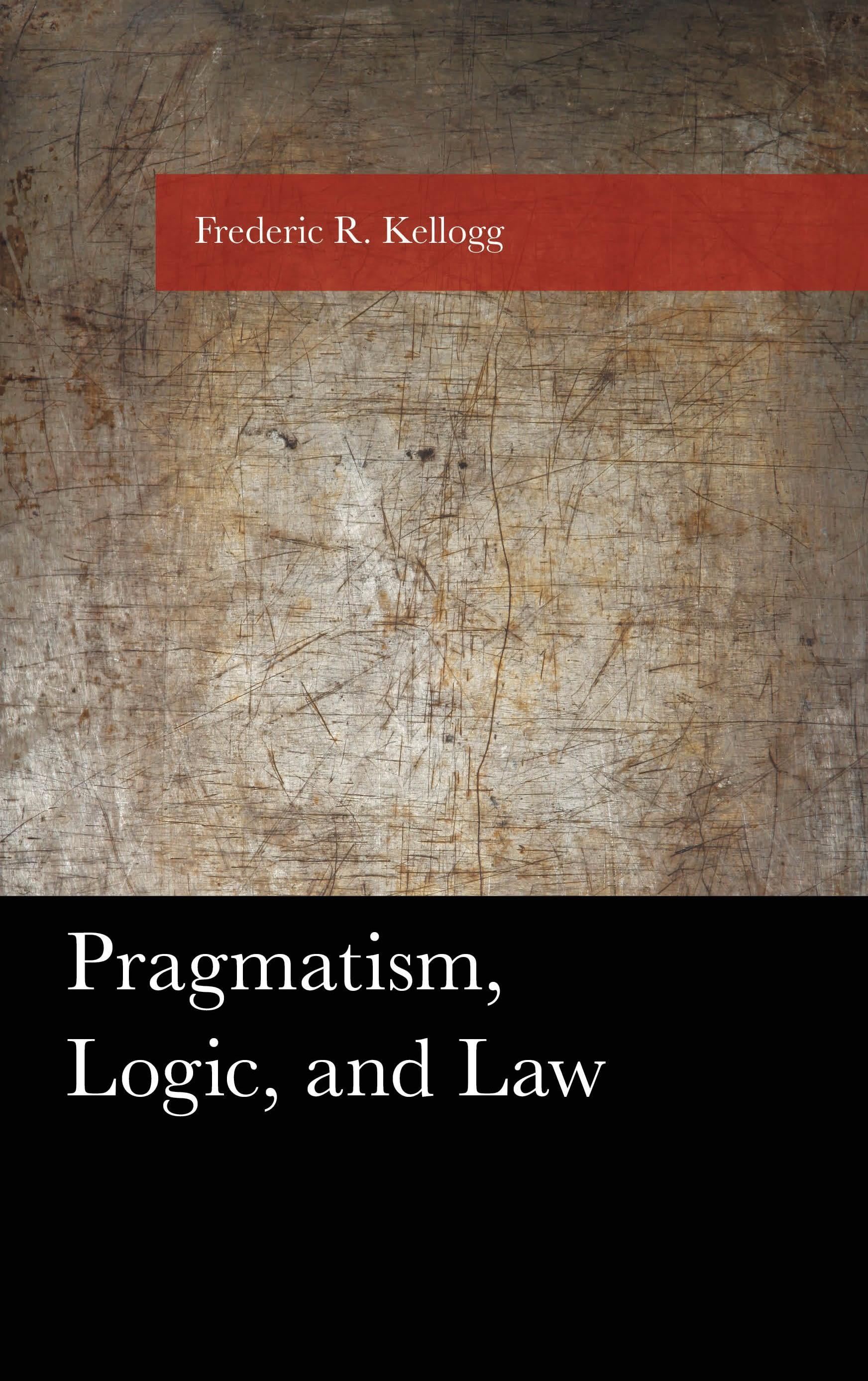
Pragmatism, Logic and Law offers a view of legal pragmatism consistent with pragmatism writ large, tracing it from origins in late 19th century America to the present, covering various issues, legal cases, personalities, and relevant intellectual movements within and outside law. It addresses pragmatism’s relation to legal liberalism, legal positivism, natural law, critical legal studies (CLS), and post-Rorty “neopragmatism.” It views legal pragmatism as an exemplar of pragmatism’s general contribution to logical theory, which bears two connections to the western philosophical tradition: first, it extends Francis Bacon’s empiricism into contemporary aspects of scientific and legal experience, and second, it is an explicitly social reconstruction of logical induction. Both notions were articulated by John Dewey, and both emphasize the social or corporate element of human inquiry. Empiricism is informed by social as well as individual experience (which includes the problems of conflict and consensus). Rather than following the Aristotelian model of induction as immediate inference from particulars to generals, a model that assumes a consensual objective viewpoint, pragmatism explores the actual, and extended, process of corporate inference from particular experience to generalization, in law as in science. This includes the necessary process of resolving disagreement and finding similarity among relevant particulars.
Maksa helposti kortilla, Klarnalla, Apple Paylla tai Google Paylla. Etkö ole tyytyväinen? Sinulla on aina 14 päivän palautusoikeus. Lue lisää ehdoistamme. Jos sinulla on kysyttävää, lähetä meille sähköpostia osoitteeseen hello@memmo.org.
Memmo tekee opiskelusta helpompaa – missä päin maailmaa ikinä oletkin. Meillä yhdistät kurssikirjat ja fiksut opiskelutyökalut yhteen paikkaan: tiivistelmät, visat, podcastit ja muistikortit. Ja sitten Ted, opiskelukaverisi, joka vastaa kaikkeen, mitä ikinä mietitkin. Yli 50 000 opiskelijaa opiskelee jo täällä – rakennettu auttamaan sinua oppimaan nopeammin ja stressaamaan vähemmän.