
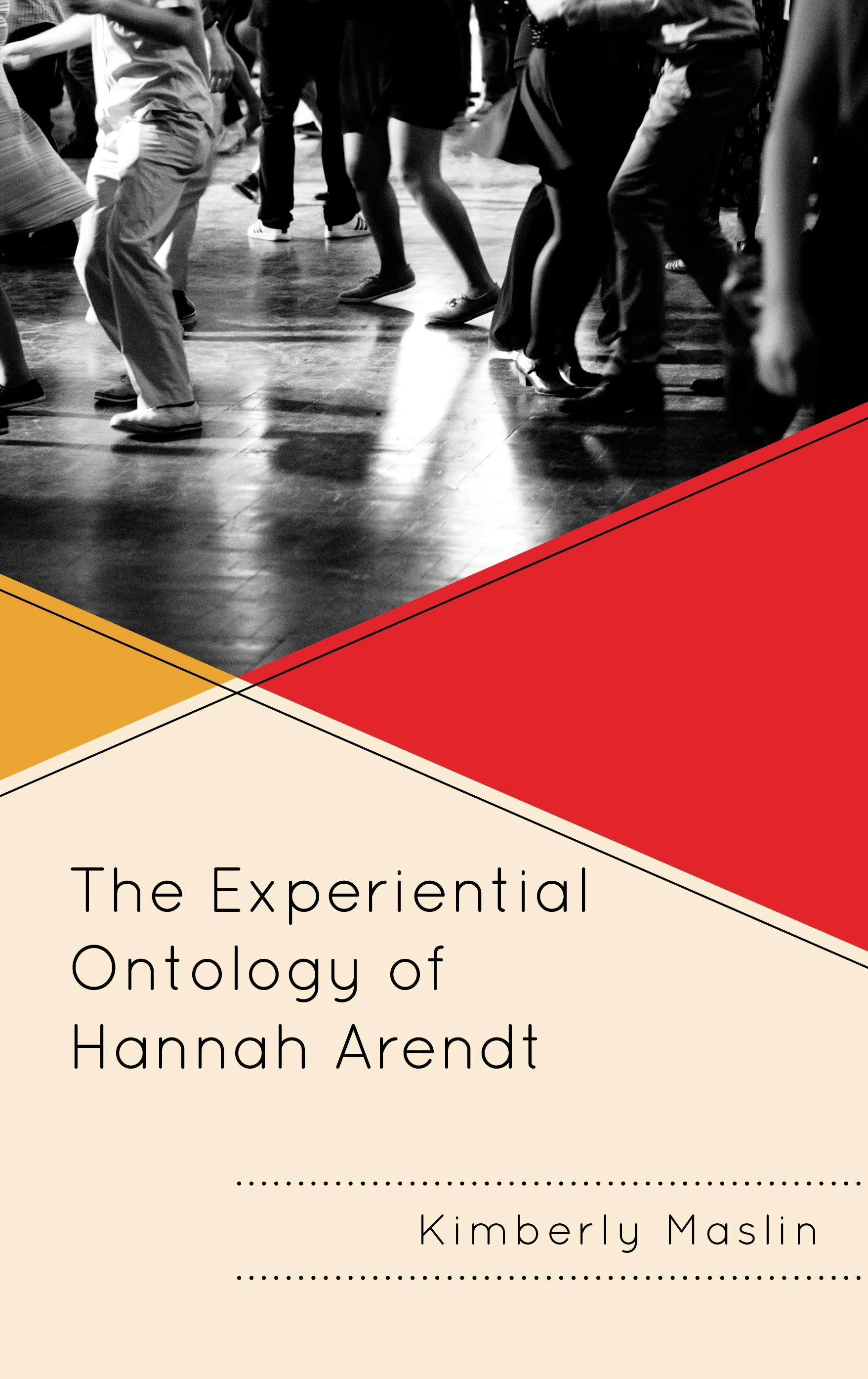
In The Experiential Ontology of Hannah Arendt, Kim Maslin examines Hannah Arendt’s political philosophy through a Heideggerian framework. Maslin argues that not only did Arendt grew beyond the role of naïve and beguiled student, but she became one of Heidegger’s most astute critics. Well acquainted with and deeply respectful of his contributions to existential philosophy, Arendt viewed Heidegger’s work as both profoundly insightful and extraordinarily myopic. Not contented to simply offer a critique of her mentor’s work, Arendt engaged in a lifelong struggle to come to terms with the collective implications of fundamental ontology. Maslin argues that Arendt shifted to political philosophy less to escape her own disappointment at Heidegger’s personal betrayal, but rather as an attempt to right the collective flaws of fundamental ontology. Her project offers a politically responsive, hence responsible, modification of Heidegger’s fundamental ontology. She suggests that Heidegger’s allegedly descriptive and non-normative insight into the nature of being is necessarily incomplete, and potentially irresponsible, unless it is undertaken in a manner which is mindful of the collective implications. As such, Maslin shows how Arendt attempts to construct an experiential ontology that transforms Heidegger’s fundamental ontology for use in the public sphere.
Maksa helposti kortilla, Klarnalla, Apple Paylla tai Google Paylla. Etkö ole tyytyväinen? Sinulla on aina 14 päivän palautusoikeus. Lue lisää ehdoistamme. Jos sinulla on kysyttävää, lähetä meille sähköpostia osoitteeseen hello@memmo.org.
Memmo tekee opiskelusta helpompaa – missä päin maailmaa ikinä oletkin. Meillä yhdistät kurssikirjat ja fiksut opiskelutyökalut yhteen paikkaan: tiivistelmät, visat, podcastit ja muistikortit. Ja sitten Ted, opiskelukaverisi, joka vastaa kaikkeen, mitä ikinä mietitkin. Yli 50 000 opiskelijaa opiskelee jo täällä – rakennettu auttamaan sinua oppimaan nopeammin ja stressaamaan vähemmän.