
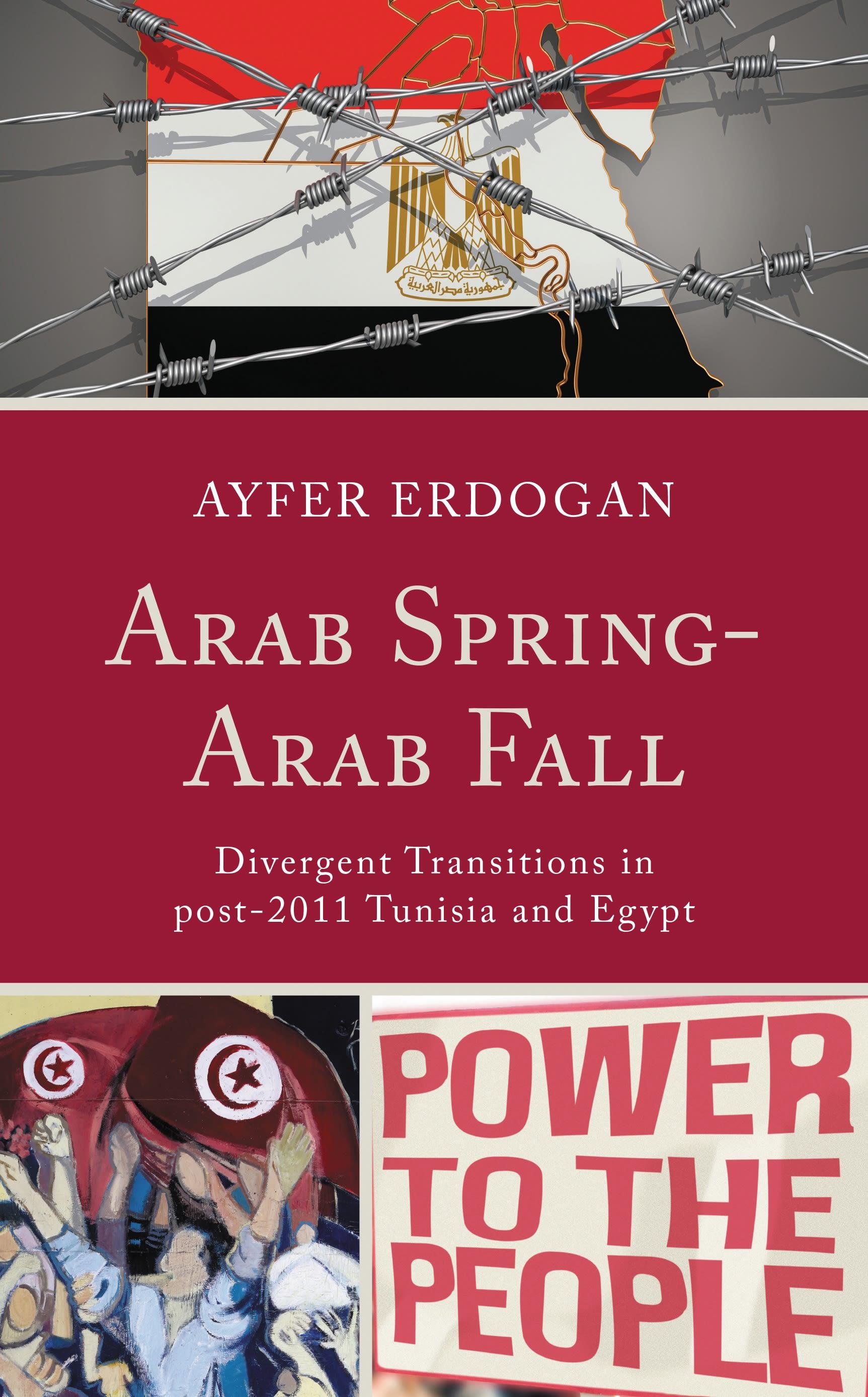
The popular protests in early 2011 were once seen as a turning point in the history of the Arab world, raising hopes for democracy, freedom, and justice in the Middle East. A decade after the uprisings, these hopes are largely dashed in each country swept by popular protests with the exception of Tunisia. Tunisia became the only democracy in the entire region while Egypt saw its first freely elected president and government thrown out by the army in a bloody coup which resulted in a regime that is no less authoritarian than Mubarak’s. This book provides a detailed analysis of the political, economic, and constitutional developments in Tunisia and Egypt. In the light of the existing literature on comparative democratization, the author explores why Egypt’s path to democratization was eroded by several transitional actors while Tunisian political elite managed to move the country towards democracy. The book centers its focus on the role of the political agents in designing the transition and explores the transitional period with respect to the interactions among the political elite and their cost-benefit assumptions, ideological interests, as well as their commitment to democratic processes.
Sivuja: 284
Kategoria: Statsvetenskap & Politik
e-ISBN: 9781793610683
Lähetyspaino: 1.2 kg
Toimitusaika: 1-2 päivää
Maksa helposti kortilla, Klarnalla, Apple Paylla tai Google Paylla. Etkö ole tyytyväinen? Sinulla on aina 14 päivän palautusoikeus. Lue lisää ehdoistamme. Jos sinulla on kysyttävää, lähetä meille sähköpostia osoitteeseen hello@memmo.org.
Memmo tekee opiskelusta helpompaa – missä päin maailmaa ikinä oletkin. Meillä yhdistät kurssikirjat ja fiksut opiskelutyökalut yhteen paikkaan: tiivistelmät, visat, podcastit ja muistikortit. Ja sitten Ted, opiskelukaverisi, joka vastaa kaikkeen, mitä ikinä mietitkin. Yli 50 000 opiskelijaa opiskelee jo täällä – rakennettu auttamaan sinua oppimaan nopeammin ja stressaamaan vähemmän.