
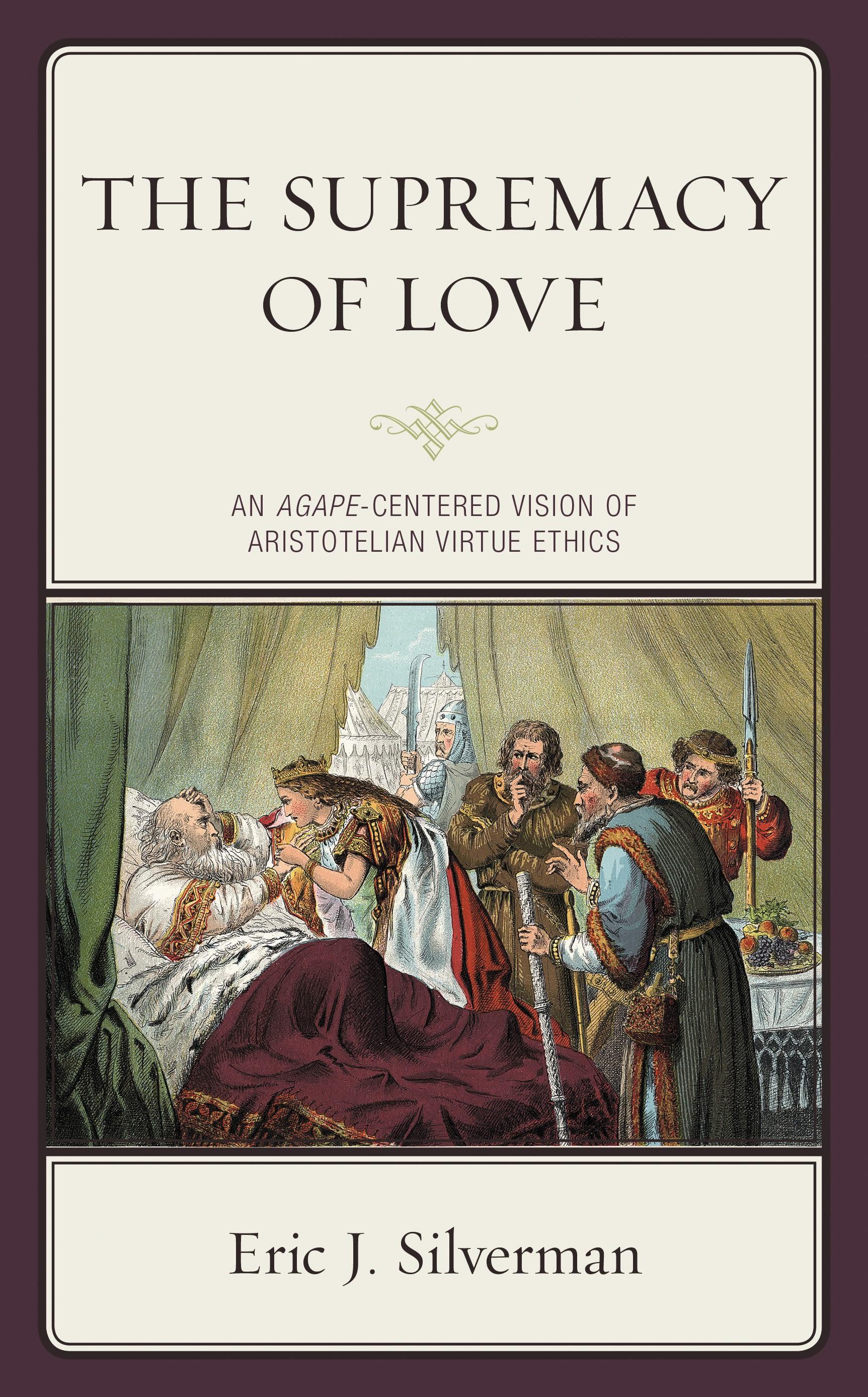
Thirty-five years ago Alasdair MacIntyre’s After Virtue established virtue ethics as a major challenger to competing visions of morality, but there is still considerable disagreement concerning which version of virtue ethics provides the best approach. The Supremacy of Love describes and advocates an agape-centered vision of Aristotelian virtue ethics that portrays love as the most important moral virtue, and the goals of love as a partial constituent of every genuine virtue. This structural improvement to Aristotelian virtue ethics—found originally in the ethics of Thomas Aquinas—enables this account to address several controversial topics in contemporary virtue ethics, including why the virtues cannot be used badly, in what sense is there a unity between the virtues, how the virtues benefit the virtuous person, and how virtues provide action guidance. Eric J. Silverman demonstrates how and why a distinctly love-centered approach to virtue ethics should make the view widely attractive in comparison to alternative accounts of virtue ethics, duty based deontological theories, as well as results-based consequentialist views.
Maksa helposti kortilla, Klarnalla, Apple Paylla tai Google Paylla. Etkö ole tyytyväinen? Sinulla on aina 14 päivän palautusoikeus. Lue lisää ehdoistamme. Jos sinulla on kysyttävää, lähetä meille sähköpostia osoitteeseen hello@memmo.org.
Memmo tekee opiskelusta helpompaa – missä päin maailmaa ikinä oletkin. Meillä yhdistät kurssikirjat ja fiksut opiskelutyökalut yhteen paikkaan: tiivistelmät, visat, podcastit ja muistikortit. Ja sitten Ted, opiskelukaverisi, joka vastaa kaikkeen, mitä ikinä mietitkin. Yli 50 000 opiskelijaa opiskelee jo täällä – rakennettu auttamaan sinua oppimaan nopeammin ja stressaamaan vähemmän.